

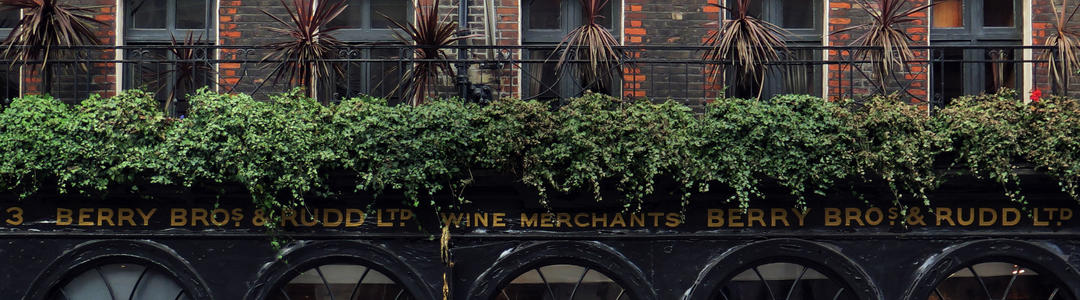
With over 300 years of history, Berry Bros. & Rudd is justly proud of its past. In 1698, the Widow Bourne established a shop at No. 3 St James’s Street. Over three centuries later, with two Royal Warrants and six Masters of Wine, the family business continues to flourish, with its heart still very much at No. 3.

Berry Bros. & Rudd History - 17th and 18th centuries
In 1698, the company now known as Berry Bros. & Rudd was started by a woman. She was a widow and a mother, with at least two daughters, but only her last name is known: Bourne. The Widow Bourne established a grocer’s in the prestigious neighbourhood opposite St. James’s Palace, which in that year became the official principal residence of the monarch.
The Widow’s daughter Elizabeth married William Pickering (d.1734), and their family continued to run the business. As the Pickerings supplied the newly-fashionable Coffee Houses of St James’s, it is unsurprising that the shop chose an image linked to this prestige commodity as the sign of their business. To this day, Berry Bros. & Rudd still trades under the ‘Sign of the Coffee Mill’, an image that has remained outside the shop for centuries.
During this time, both No.3 and Pickering Place (previously Stroud's Court) were rebuilt by the Pickerings, reflecting the family’s success. No. 3 remains very much the same today. Elizabeth herself ran the business alone after her husband died, until her two sons (an earlier pair of brothers) ran the shop at No. 3, along with a business painting heraldic coats of arms next door, catering to the gentry. When John Pickering died in 1754, his brother William Jr brought in a relation, John Clarke, to be his partner.
It was in the time of William Jr. and John Clarke that the famous grocer’s weighing scales began to be used to weigh the shop’s many notable customers, a fashionable pastime that continues to this day.
Key Date: 1760 The firm first supplied the British Royal Family under George III.
Key Date: 1765 The practice of being weighed at The Sign of the Coffee Mill became extremely fashionable. Famous figures in the weighing books include royal princes, Lord Byron, Beau Brummel, William Pitt the Younger and the Aga Khan. In the late 19th century, the record of an aristocratic family’s weights even helped solve a court case. In 1787 John Clarke’s daughter Mary, who had married a wine merchant from Exeter, gave birth to the first George Berry, who was to take over his grandfather’s business.
Berry Bros. & Rudd History - The Berrys
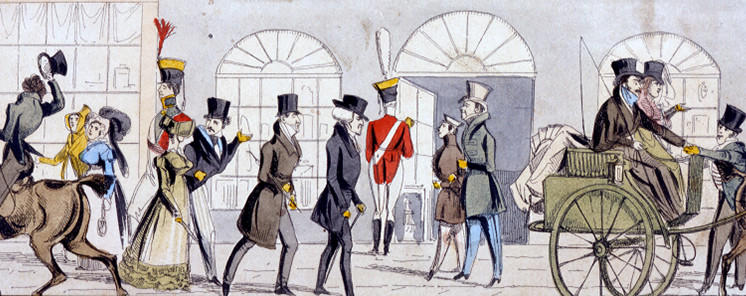
George Berry, John Clarke's grandson, was only 16 when he made the two-day journey from Exeter in 1803. By 1810, his name was stretched above the facade of No. 3 St James's Street. Since then, the Berry name has been inseparable from the business.
George became a successful merchant, and increasingly focused on wine. Wine would have always been sold at No. 3, but George’s family background, coupled with the changing tastes of the time, explain a shift towards wines and spirits. Two of George Berry’s sons, George Jr. and Henry, took over in 1845. Today, the shop still bears the name of these original "Berry Brothers". The Rudd family joined the Berrys at a crucial point in the early 20th century.
Key Date: 1838 As the Chartist riots spread through England, George Berry signed up as a special constable. Accompanying him was his friend, the future Napoleon III.
In exile in London, Napoleon used No. 3’s cellars to hold secret meetings. Our Napoleon Cellar is named after him.
The Berry brothers each passed on their role to their children, cousins Henry Berry and Henry Percival Berry. These two branches of the family were the forebears of the modern family, and a member from each branch continued to run the business as partners until the last of Henry Berry’s descendants retired in 1941.
In the 19th century, the coffee business established by the Widow Bourne continued, and contemporary accounts referred to the shop as "The Sign of the Coffee Mill" as well as "Berry's". However, the business gradually became a wine and spirits merchant exclusively, as second cousins Francis Berry and Charles Walter Berry led "Berry Bros. & Co"into the 20th century.
Berry Bros. & Rudd History - The 20th Century
The 20th century was one of unprecedented growth and change at No. 3, coupled with the sadness and disruption that two world wars inevitably brought.
Hugh Rudd came from a family wine merchant’s in Norwich, established by his grandfather in 1851. Before World War I, he worked for the family business and abroad, partnering a great love of Bordeaux with a deep knowledge of German wines. When he returned from fighting, Norwich had ceased to be an active centre for the wine trade, and he moved to London. Hugh Rudd joined Berry Bros. in 1920, his partnership with the two Berrys giving the firm unrivalled wine expertise.
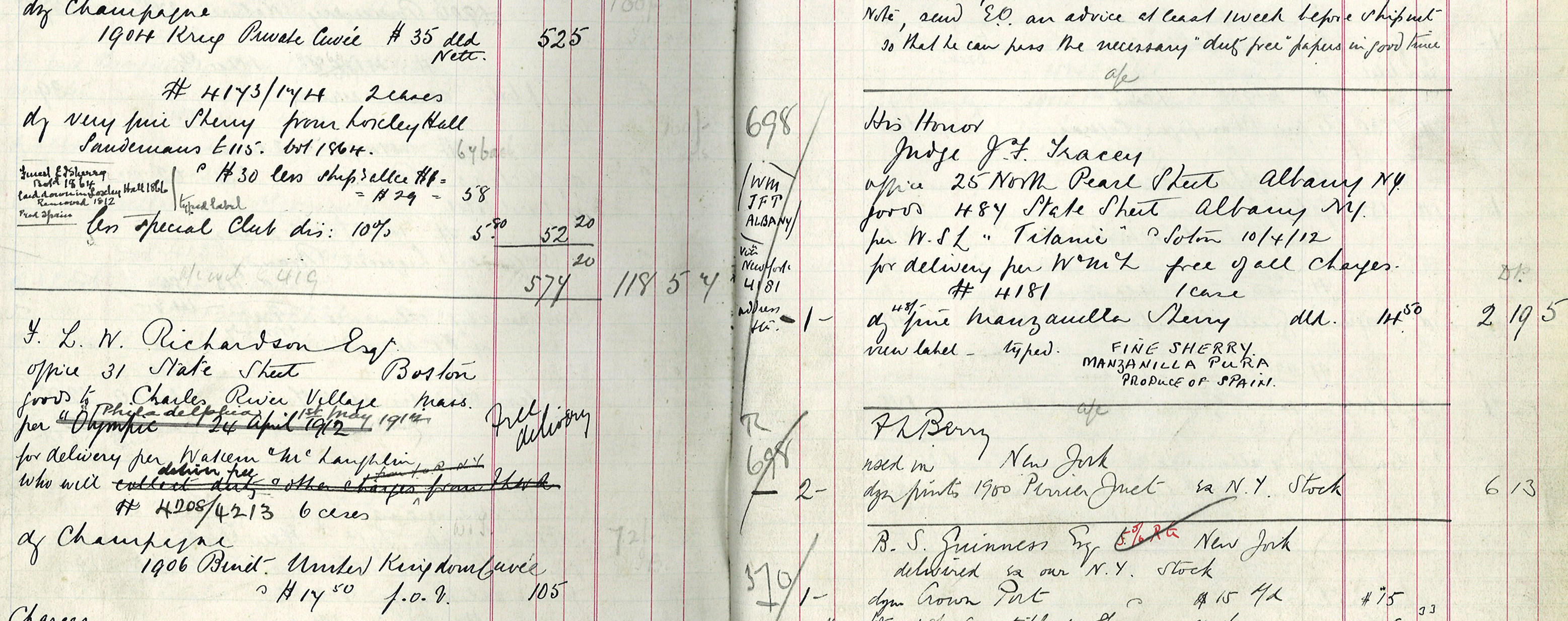
Key Date: 15th April 1912 On the day after the catastrophic sinking of the Titanic, a carefully typed letter was sent from the White Star Line to ‘Berry Bros. & Co.’ The letter reports the loss of 69 cases of the firm’s wines and spirits onboard the ship. No mention is made of the lives that were lost.
The 1920s was an exciting time for the company. When Prohibition was established in America, ‘Berry Bros.’ products became in great demand in the Bahamas, a popular stop for smugglers. Cutty Sark Scotch Whisky was invented in 1923, with an iconic label designed by Scottish artist James McBey. This whisky became hugely popular in the American market, and was to be one of the company’s most successful products.
In the 1940s, Berry Bros. & Co became a limited company, one of many name changes in the firm’s history. Hugh Rudd was by that time an essential part of the company, and it was natural for the firm to become known as Berry Bros. & Rudd Ltd., as it still is today. During World War II, the ancient furniture from No. 3 was stored in Walter Berry’s house in the countryside to protect it from the bombing. No.3 escaped total destruction, but the top floors suffered fire damage. The front of the building was shaken by nearby impacts, but survived largely because of the old wooden shutters that protected the shop front. These shutters still line the passageway to Pickering Place, and were last used during the London riots of 2011.
World War II also brought personal tragedy to the firm. Two partners lost sons in the war; Francis Berry’s eldest son, George Gilbert Berry, died bravely in North Africa, leading a charge against the enemy; whilst Hugh Rudd’s son Brian was killed in action in Italy aged just 20.
Berry Bros. & Rudd History - 1950 onwards
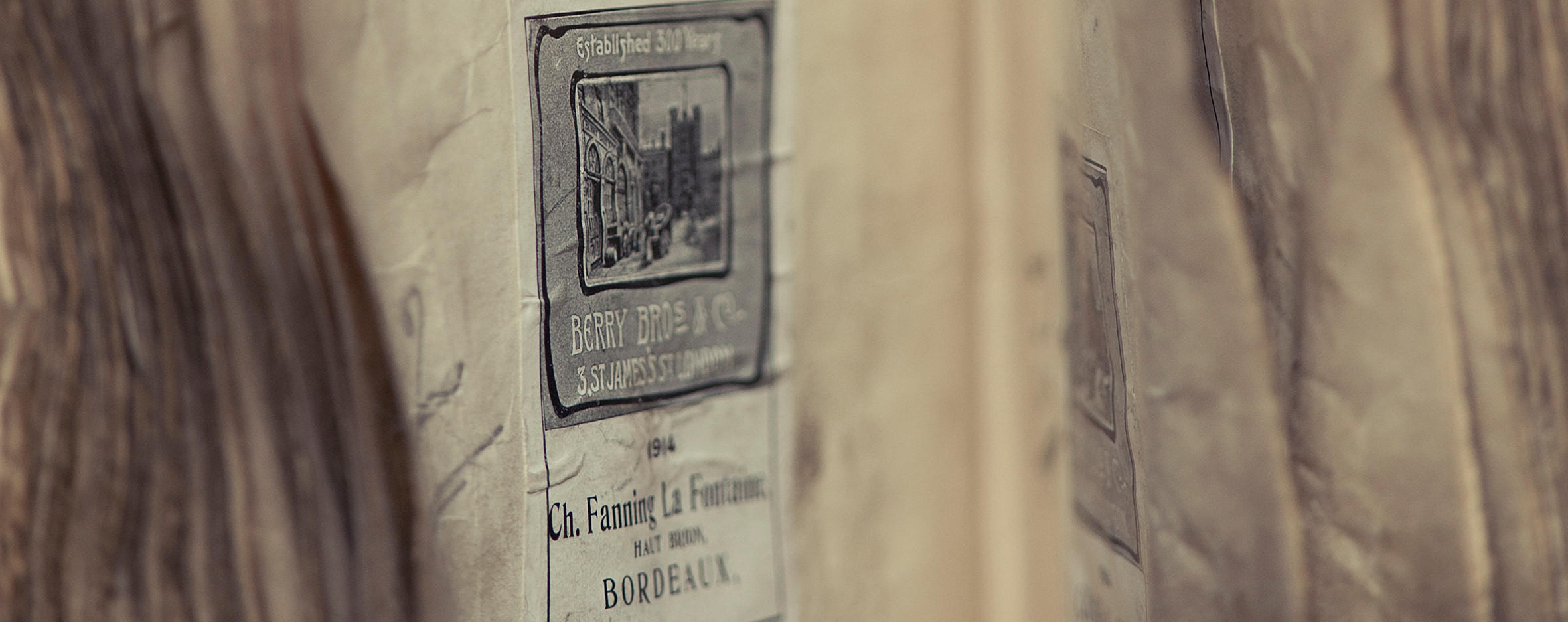
From 1950 onwards, Francis Berry’s younger son, Anthony, became a partner unexpectedly quickly as a result of the tragedies of World War II, while Hugh Rudd’s widow, Ethel Rudd, took over as Non-Executive Chairman from 1949 until 1965, when Anthony Berry was appointed Chairman. During the years after the war, the family were almost unique among their contemporaries for not selling the business. This was the period when the first non-family Directors were appointed, a precedent that has continued to bring valuable experts into the business.
The second half of the 20th century saw Berry Bros. & Rudd consolidate their position as world-famous wine and spirits merchants. The success of Cutty Sark Scotch whisky was also a constant theme during this time, particularly in the 1960s and 70s. Berry Bros. & Rudd continued to be famous for their Claret and Burgundy, and sold to many of the same families that had come to the shop for generations.
However the period was also one of great change. In 1967, Berry Bros. & Rudd broke with tradition and became the first independent wine merchant to build temperature-controlled wine cellars, which were established in Basingstoke, Hampshire. Nowadays, these cellars hold 8.5 million bottles of company and customers’ wine, worth millions of pounds. Some traditions still remained however; Berry Bros. & Rudd continued to bottle wine themselves until the 1960s, with the last bottle of Sherry bottled at Basingstoke in the 1990s.
Since the war, Berry Bros. & Rudd’s customer base had increased dramatically, with more and more sales being made by mail order. In 1994, Berry Bros. & Rudd were again at the forefront of progress, as the company launched the very first wine merchant’s website, bbr.com. As well as expanding electronically, the 1990s also saw Berry Bros. & Rudd expand the physical presence of the business. A series of Duty Free wine shops opened at Heathrow Airport, followed by the establishment of the company’s first presence in Asia, the Hong Kong Wine Club. In 1998 the first overseas shop opened in Harry Street, Dublin.
Berry Bros. & Rudd - The new millennium
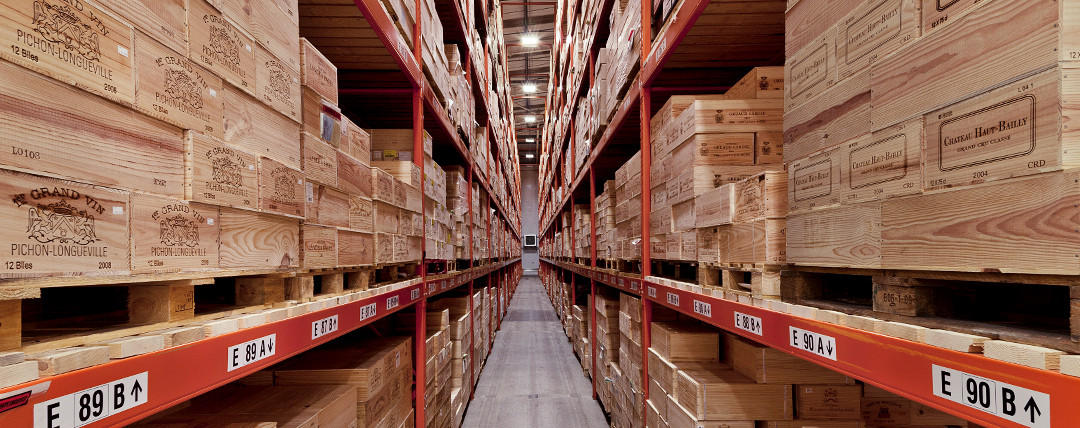
In 1998, two years before the start of a new century, Berry Bros. & Rudd celebrated 300 years in business. The run-up to the 300th anniversary celebrations was marked in 1997 with the award of Berry Bros. & Rudd’s second Royal Warrant by H.R.H. The Prince of Wales.
If the second half of the 20th century had been characterised by expansion of the traditional business, the 21st saw new sides of the business established. The beautiful historic cellars below the shop and rooms in Pickering Place were gradually renovated to facilitate private wine events and the highly-respected Wine School.
Berry Bros. & Rudd’s business in Asia continued to flourish, with new websites and a physical presence in Japan and Hong Kong. In 2013 Berry Bros. & Rudd was the first major UK retailer to give the wines from China a permanent place on its shelves.
Today, with two Royal Warrants, over 300 years of history and three Masters of Wine, Berry Bros. & Rudd is Britain’s original wine and spirits merchant. While the firm embraces progress, traditions are also valued. Everyone is welcome to the Widow Bourne's shop by the Palace, whether they want one bottle or a cellarful. We are run by members of the Berry and Rudd families and we continue to supply the British Royal Family, as we have done since the reign of King George III.
Most importantly, we still believe that everything you should look for in a wine or spirit comes down to one simple question: "Is it good to drink?"