

Château Mouton Rothschild
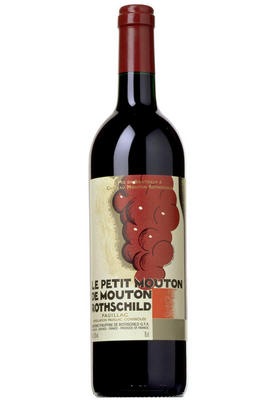
£196.00
– bottle
(75cl)
Add item
2021 Le Petit Mouton de Mouton Rothschild, Pauillac, Bordeaux
Red
2021
Lay down
Full Bodied
Dry
13.0% Alcohol
Find out more
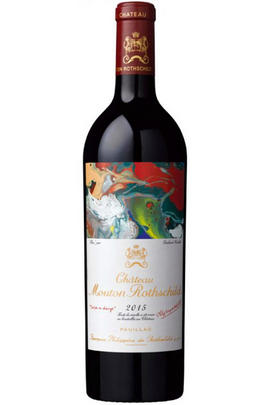
£1,354.00
– magnum
(150cl)
Ex-Chateau
Limited availability
More sizes available
Add item
2015 Château Mouton Rothschild, Pauillac, Bordeaux
Red
2015
Drink, youthful
Full Bodied
Dry
13.5% Alcohol
Find out more
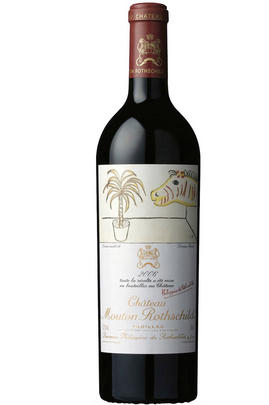
£1,933.00
– double magnum
(300cl)
Limited availability
More sizes available
Add item
2006 Château Mouton Rothschild, Pauillac, Bordeaux
Red
2006
Drink, at peak
Full Bodied
Dry
13.0% Alcohol
Find out more
£2,486.00
– three- bottle assortment case
(225cl)
Ex-Chateau
Add item
Château Mouton Rothschild, Trilogy (2009/2010/2016), Three-Bottle Assortment Case
Red
Lay down
Full Bodied
Dry
13.5% Alcohol
Find out more
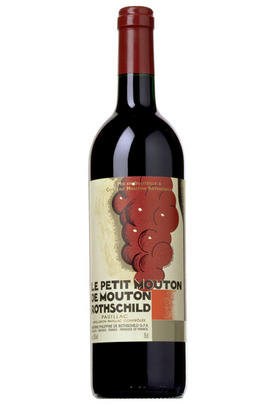
Available in bond
2016 Le Petit Mouton de Mouton Rothschild, Pauillac, Bordeaux
Red
2016
Lay down
Full Bodied
Dry
13.5% Alcohol
Find out more
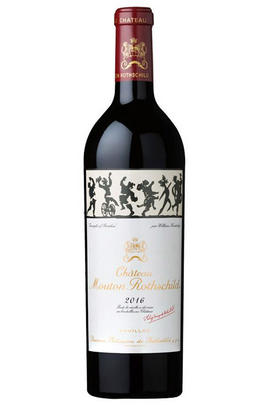
Available in bond
2016 Château Mouton Rothschild, Pauillac, Bordeaux
Red
2016
Lay down
Full Bodied
Dry
13.5% Alcohol
Find out more
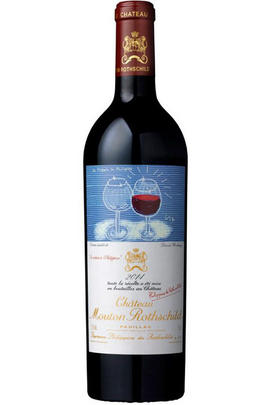
Available in bond
2014 Château Mouton Rothschild, Pauillac, Bordeaux
Red
2014
Lay down
Full Bodied
Dry
13.0% Alcohol
Find out more
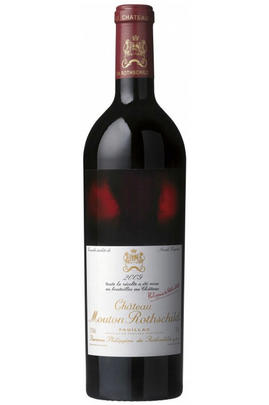
Available in bond
2009 Château Mouton Rothschild, Pauillac, Bordeaux
Red
2009
Drink, youthful
Full Bodied
Dry
13.0% Alcohol
Find out more
Available in bond
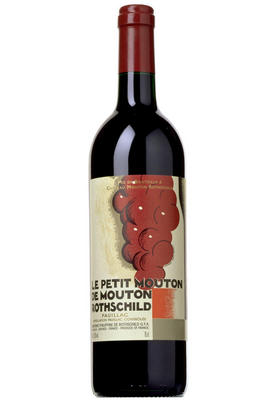
2009 Le Petit Mouton de Mouton Rothschild, Pauillac, Bordeaux
Red
2009
Drink, at peak
Full Bodied
Dry
13.0% Alcohol
Find out more
Available in bond
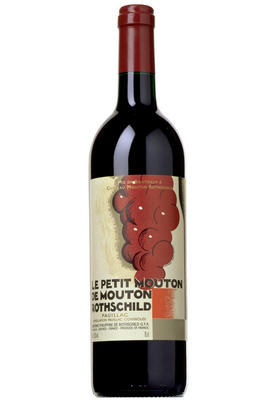
2013 Le Petit Mouton de Mouton Rothschild, Pauillac, Bordeaux
Red
2013
Drink, at peak
Full Bodied
Dry
13.0% Alcohol
Find out more
Available in bond
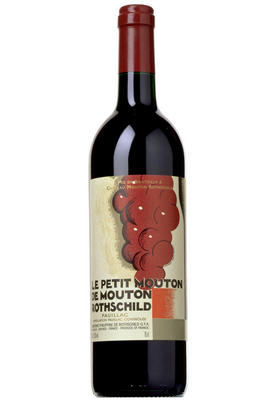
2018 Le Petit Mouton de Mouton Rothschild, Pauillac, Bordeaux
Red
2018
Lay down
Full Bodied
Dry
14.0% Alcohol
Find out more
Available in bond
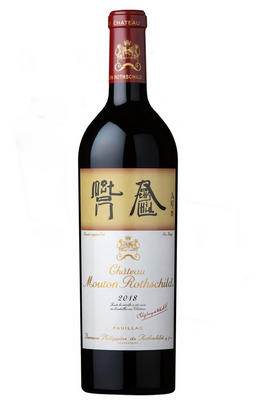
2018 Château Mouton Rothschild, Pauillac, Bordeaux
Red
2018
Lay down
Full Bodied
Dry
14.0% Alcohol
Find out more
Available in bond
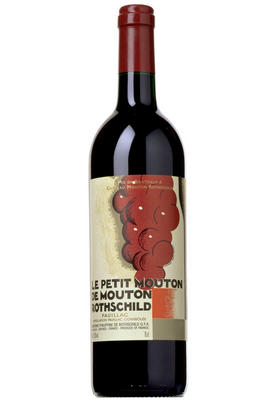
2017 Le Petit Mouton de Mouton Rothschild, Pauillac, Bordeaux
Red
2017
Lay down
Full Bodied
Dry
13.5% Alcohol
Find out more
Available in bond
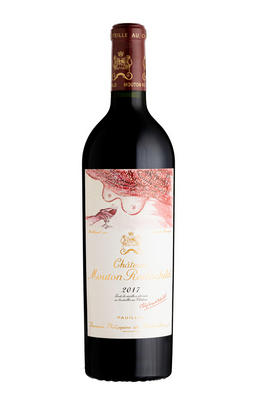
2017 Château Mouton Rothschild, Pauillac, Bordeaux
Red
2017
Lay down
Full Bodied
Dry
13.5% Alcohol
Find out more
Available in bond
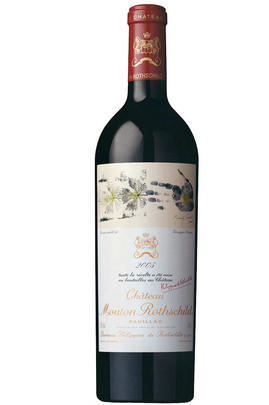
2005 Château Mouton Rothschild, Pauillac, Bordeaux
Red
2005
Lay down
Full Bodied
Dry
13.0% Alcohol
Find out more
Available in bond
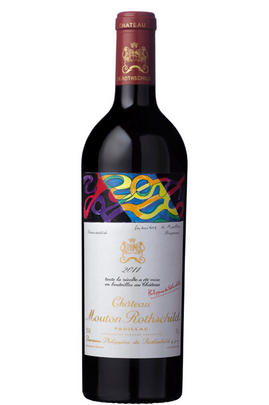
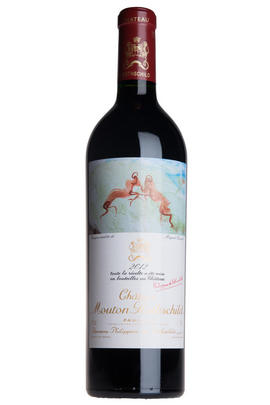
2011 Château Mouton Rothschild, Pauillac, Bordeaux
Red
2011
Lay down
Full Bodied
Dry
13.0% Alcohol
Find out more
Available in bond
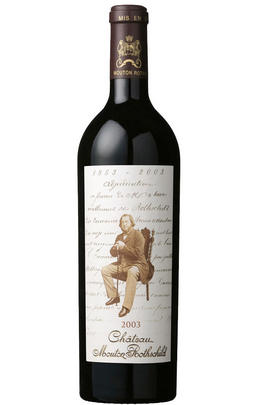
2012 Château Mouton Rothschild, Pauillac, Bordeaux
Red
2012
Drink, youthful
Full Bodied
Dry
13.0% Alcohol
Find out more
Available in bond
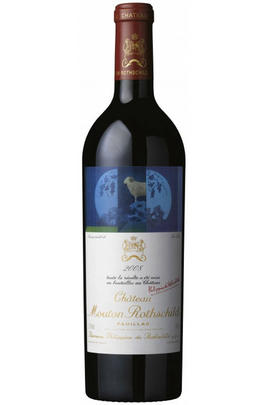
2003 Château Mouton Rothschild, Pauillac, Bordeaux
Red
2003
Drink, at peak
Full Bodied
Dry
13.0% Alcohol
Find out more
Available in bond
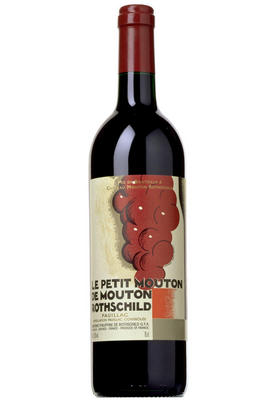
2008 Château Mouton Rothschild, Pauillac, Bordeaux
Red
2008
Drink, at peak
Full Bodied
Dry
13.0% Alcohol
Find out more
Available in bond
2008 Le Petit Mouton de Mouton Rothschild, Pauillac, Bordeaux
Red
2008
Drink, at peak
Full Bodied
Dry
13.0% Alcohol
Find out more
Available in bond
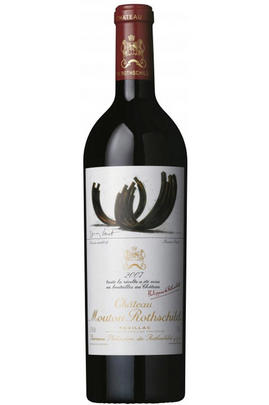
2007 Château Mouton Rothschild, Pauillac, Bordeaux
Red
2007
Drink, at peak
Full Bodied
Dry
13.0% Alcohol
Find out more
Available in bond
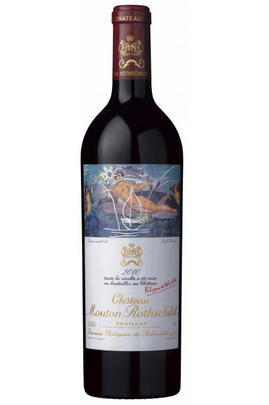
2010 Château Mouton Rothschild, Pauillac, Bordeaux
Red
2010
Drink, youthful
Full Bodied
Dry
13.5% Alcohol
Find out more
Available in bond
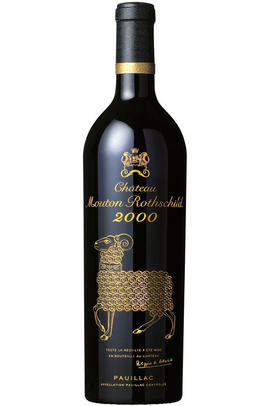
2000 Château Mouton Rothschild, Pauillac, Bordeaux
Red
2000
Drink, at peak
Full Bodied
Dry
12.5% Alcohol
Find out more
Available in bond
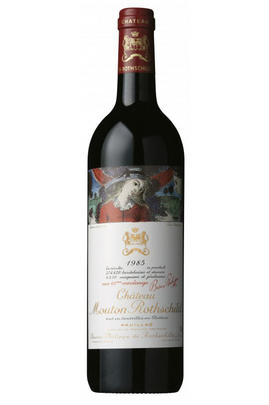
1985 Château Mouton Rothschild, Pauillac, Bordeaux
Red
1985
Drink up
Full Bodied
Dry
12.5% Alcohol
Find out more
Available in bond
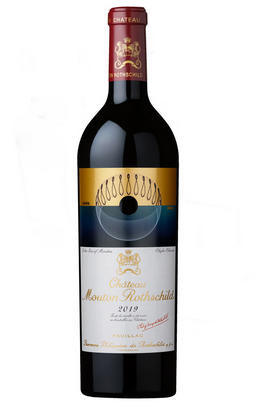
2019 Château Mouton Rothschild, Pauillac, Bordeaux
Red
2019
Lay down
Full Bodied
Dry
13.5% Alcohol
Find out more
Available in bond
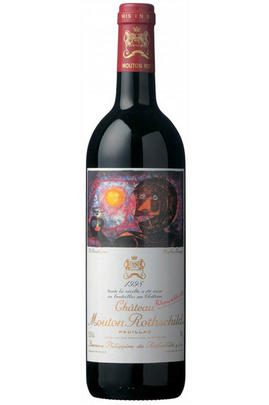
1998 Château Mouton Rothschild, Pauillac, Bordeaux
Red
1998
Drink, at peak
Full Bodied
Dry
12.5% Alcohol
Find out more
Available in bond
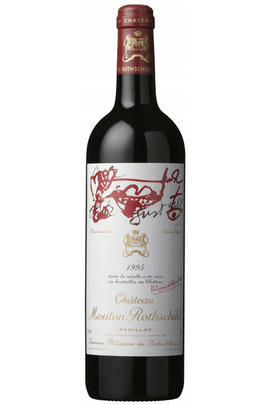
1995 Château Mouton Rothschild, Pauillac, Bordeaux
Red
1995
Drink, at peak
Full Bodied
Dry
12.5% Alcohol
Find out more
Available in bond
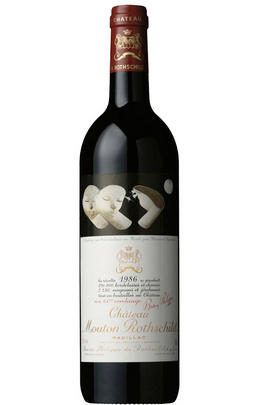
1986 Château Mouton Rothschild, Pauillac, Bordeaux
Red
1986
Drink, at peak
Full Bodied
Dry
12.5% Alcohol
Find out more
Available in bond
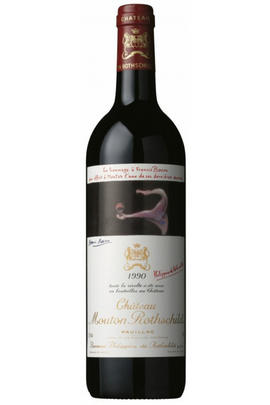
1990 Château Mouton Rothschild, Pauillac, Bordeaux
Red
1990
Drink, at peak
Full Bodied
Dry
12.5% Alcohol
Find out more
Available in bond
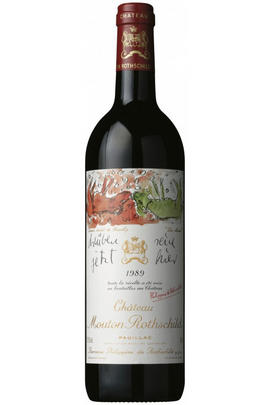
1989 Château Mouton Rothschild, Pauillac, Bordeaux
Red
1989
Drink up
Full Bodied
Dry
12.5% Alcohol
Find out more
Classified as a First Growth, Château Mouton Rothschild has a long and storied history; wine has been made here since Roman times. The property spans 82 hectares of vines in Pauillac, planted with the classic varieties of the region, Cabernet Sauvignon being predominant.
The estate has been in the Baron Philippe de Rothschild family since 1853, but it wasn’t until the arrival of Baron Philippe de Rothschild in 1922 that its fortunes were transformed. Baron Philippe was a dynamic figure who revolutionised the estate and was the first to introduce château-bottling in 1924. He also introduced the concept of commissioning an artist to design each new vintage’s label. Some of the most notable contributors include Salvador Dalí, Henry Moore, Marc Chagall, Francis Bacon, Lucian Freud, Anish Kapoor and Peter Doig.
His daughter Baroness Philippine continued to help raise the estate to new heights with numerous endeavours, including the inauguration of a new vat house in 2013. Today, her three children, Camille and Philippe Sereys de Rothschild and Julien de Beaumarchais de Rothschild, continue the efforts of their predecessors.
Following the retirement in 2020 of Philippe Dhalluin, the winemaking team is now headed up by Jean-Emmanuel Danjoy. With his team, he oversees over 83 hectares of vines, planted with Cabernet Sauvignon (78%), Merlot (18%), Cabernet Franc (3%), and Petit Verdot (1%). The average age of the vines is around 50 years.