

Cognac
Cognac is a grape brandy produced in the French region of the same name. The permitted grape varieties include Ugni Blanc (predominantly), Folle Blanche and Colombard. According to the appellation regulations, Cognac must be distilled twice in traditionally shaped Charentais copper pot stills and aged at least two years in French oak.
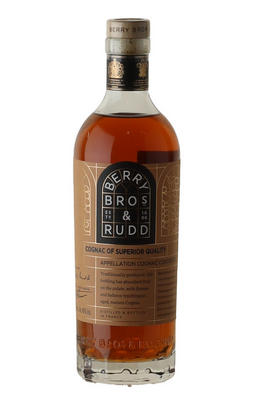
£49.95
– bottle
(70cl)
Add item
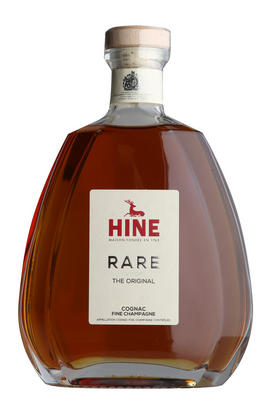
£56.00
– bottle
(70cl)
Gift Box
Add item
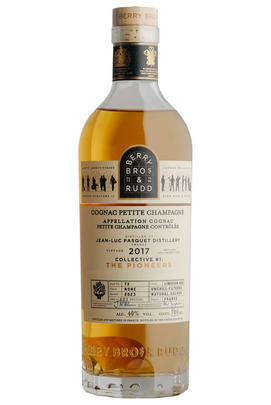
£75.00
– bottle
(70cl)
Add item
2017 Berry Bros. & Rudd Petite Champagne Cognac, Collective No. 1, Cask Ref. 72, Jean-Luc Pasquet (40%)
40.0% Alcohol
Find out more
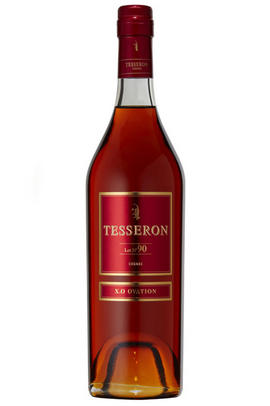
£100.00
– bottle
(70cl)
Add item
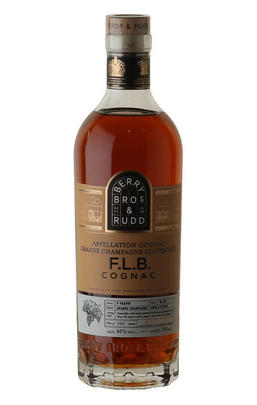
£100.00
– bottle
(70cl)
Add item
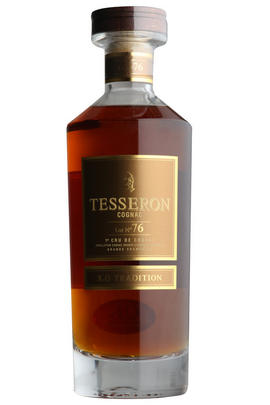
£140.00
– bottle
(70cl)
Add item
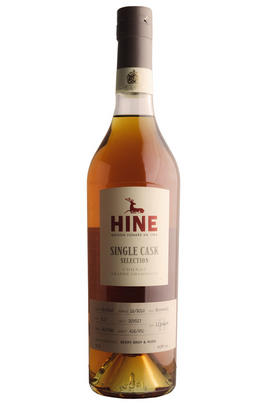
£146.00
– bottle
(70cl)
Add item
2010 Hine, Single Cask Selection, Lot No. 3117, Cask Ref. D07017, Bottled2022, Bonneuil, Grande Champagne Cognac (45.3%)
45.3% Alcohol
Find out more
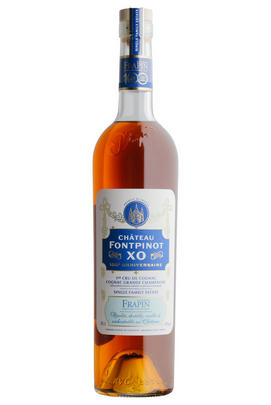
£150.00
– bottle
(70cl)
Add item
Frapin, Château Fontpinot, 100th Anniversaire, Grande Champagne Cognac (41%)
41.0% Alcohol
Find out more
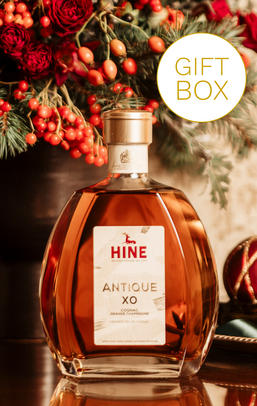
£156.50
– bottle
(70cl)
Gift Box
Add item
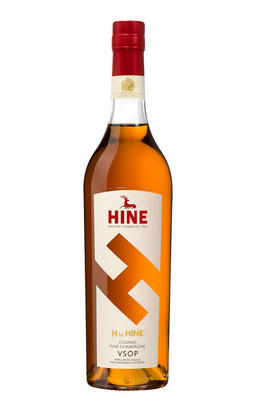
£195.00
– double magnum
(300cl)
Add item
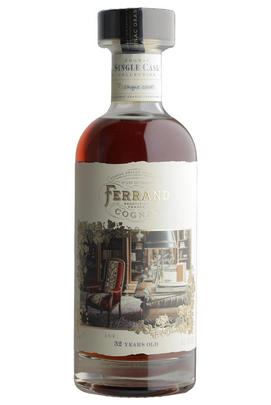
£201.50
– bottle
(70cl)
Add item
Ferrand, BB&R Exclusive Single Cask, 32-Year-Old, Grande Champagne Cognac (60.4%)
60.4% Alcohol
Find out more
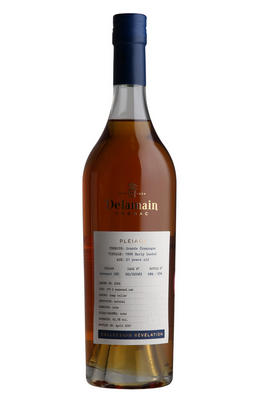
£285.00
– bottle
(70cl)
Limited availability
Add item
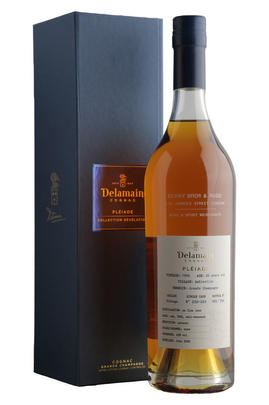
£286.00
– bottle
(70cl)
BBR Exclusive
Add item
1995 Delamain, Pleiade, Ambleville, 26-Year-Old, Grande Champagne Cognac (43%) (BB&R Exclusive Cask)
43.0% Alcohol
Find out more
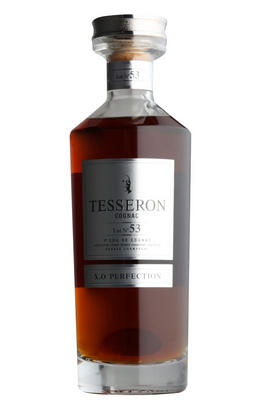
£296.00
– bottle
(70cl)
Add item
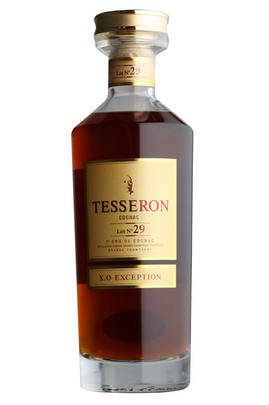
£551.00
– bottle
(70cl)
Add item
£595.00
– bottle
(70cl)
Add item
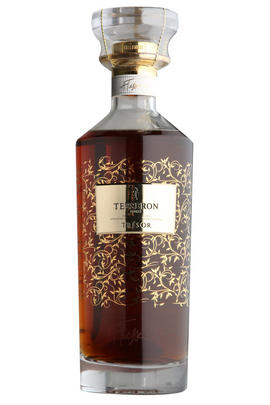
£851.00
– bottle
(70cl)
Limited availability
Add item
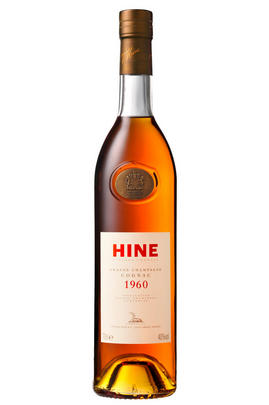
£4,000.00
– bottle
(70cl)
Limited availability
Add item
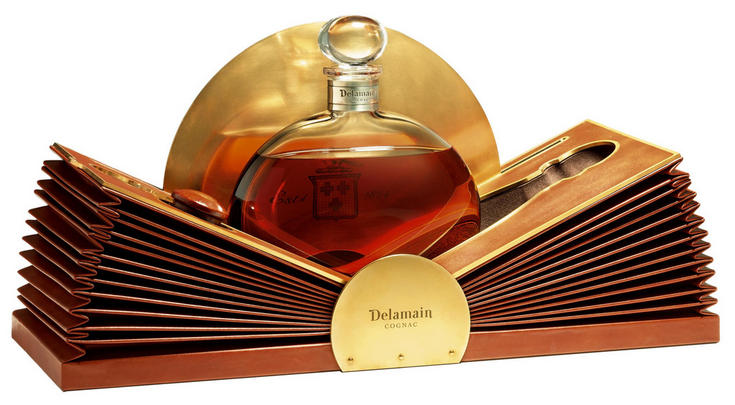
£5,001.00
– bottle
(70cl)
Limited availability
Add item
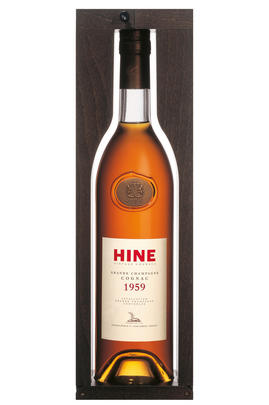
£5,100.00
– bottle
(70cl)
Limited availability
Add item
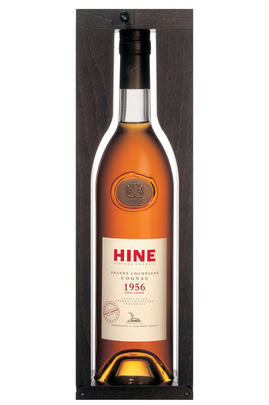
£6,000.00
– bottle
(70cl)
Limited availability
Add item
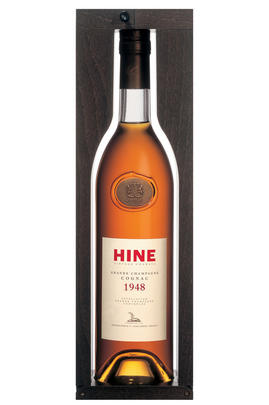
£6,500.00
– bottle
(70cl)
Limited availability
Add item
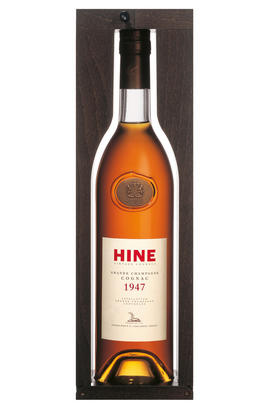
£6,500.00
– bottle
(70cl)
Limited availability
Add item
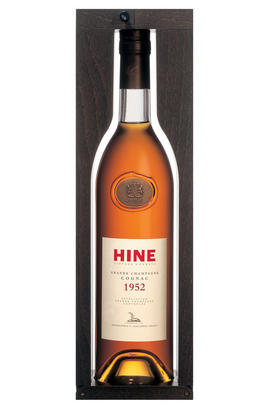
£6,600.00
– bottle
(70cl)
Limited availability
Add item
£7,900.00
– bottle
(70cl)
Limited availability
Add item
£10,400.00
– bottle
(70cl)
Gift Box
Limited availability
Add item
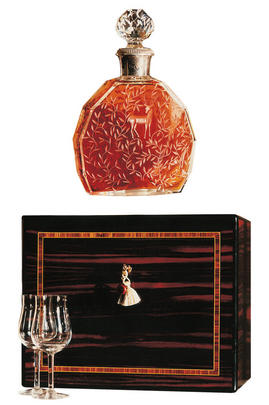
Hine, Talent de Thomas Hine, Grande Champagne Cognac (40%) (with Baccarat crystal decanter, wooden cigar humidor & four crystal glasses)
40.0% Alcohol
Find out more
£10,750.00
– bottle
(70cl)
Gift Box
Add item
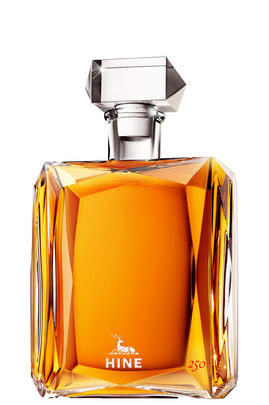
Hine, 250, Grande Champagne Cognac (41.7%) (with Baccarat crystal decanter & wooden box)
41.7% Alcohol
Find out more