

Domaine de la Romanée-Conti (DRC)
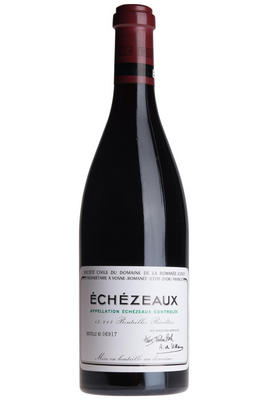
£3,670.00
– bottle
(75cl)
Limited availability
Add item
2010 Échézeaux, Grand Cru, Domaine de la Romanée-Conti, Burgundy
Red
2010
Lay down
Full Bodied
Dry
13.0% Alcohol
Find out more
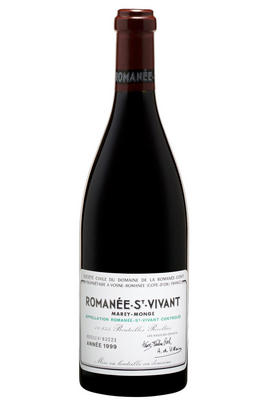
£3,844.00
– bottle
(75cl)
Original Wooden Case
Limited availability
Add item
2007 Romanée-St-Vivant, Grand Cru, Domaine de la Romanée-Conti, Burgundy
Red
2007
Drink, youthful
Full Bodied
Dry
13.0% Alcohol
Find out more
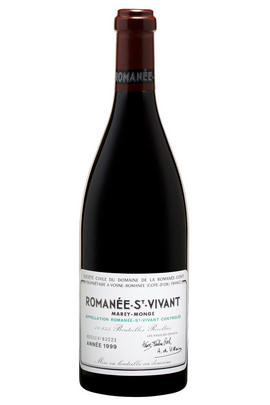
£4,005.00
– bottle
(75cl)
Limited availability
Add item
2015 Romanée-St-Vivant, Grand Cru, Domaine de la Romanée-Conti, Burgundy
Red
2015
Lay down
Full Bodied
Dry
14.0% Alcohol
Find out more
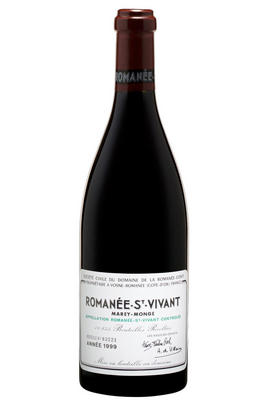
£4,005.00
– bottle
(75cl)
Limited availability
Add item
2009 Romanée-St-Vivant, Grand Cru, Domaine de la Romanée-Conti, Burgundy
Red
2009
Drink, youthful
Full Bodied
Dry
13.5% Alcohol
Find out more
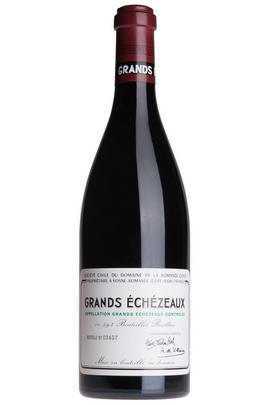
£4,338.00
– bottle
(75cl)
Limited availability
Add item
2010 Grands Échézeaux, Grand Cru, Domaine de la Romanée-Conti, Burgundy
Red
2010
Drink, youthful
Full Bodied
Dry
13.0% Alcohol
Find out more
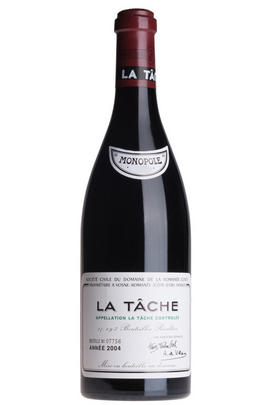
£8,943.50
– bottle
(75cl)
Original Wooden Case
Limited availability
Add item
2005 La Tâche, Grand Cru, Domaine de la Romanée-Conti, Burgundy
Red
2005
Lay down
Full Bodied
Dry
13.0% Alcohol
Find out more
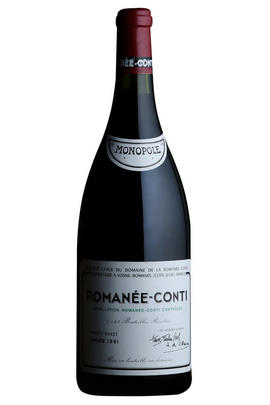
£22,504.00
– bottle
(75cl)
Limited availability
Add item
2017 Romanée-Conti, Grand Cru, Domaine de la Romanée-Conti, Burgundy
Red
2017
Lay down
Full Bodied
Dry
14.0% Alcohol
Find out more
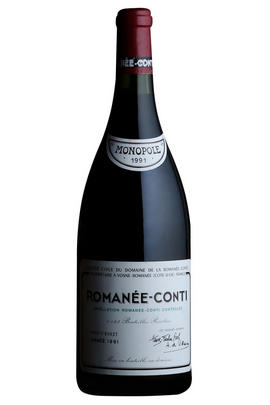
£24,964.00
– bottle
(75cl)
Limited availability
Add item
2005 Romanée-Conti, Grand Cru, Domaine de la Romanée-Conti, Burgundy
Red
2005
Drink, youthful
Full Bodied
Dry
13.0% Alcohol
Find out more
£71,306.00
– special
(600cl)
Limited availability
Add item
2019 Domaine de la Romanée-Conti (1RC/2T/1R/4RSV), Eight-Bottle Assortment Case
Red
2019
Lay down
Full Bodied
Dry
13.0% Alcohol
Find out more
Available in bond
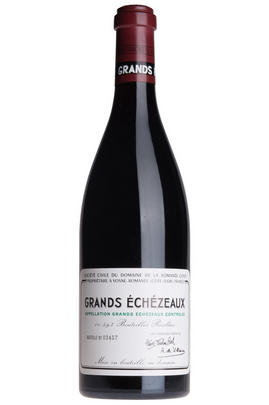
2007 Grands Échézeaux, Grand Cru, Domaine de la Romanée-Conti, Burgundy
Red
2007
Drink, youthful
Full Bodied
Dry
13.0% Alcohol
Find out more
Available in bond
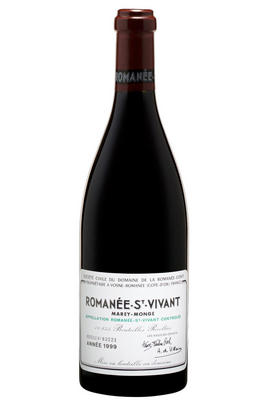
2008 Romanée St-Vivant, Grand Cru, Domaine de la Romanée-Conti, Burgundy
Red
2008
Drink, at peak
Full Bodied
Dry
13.5% Alcohol
Find out more
Available in bond
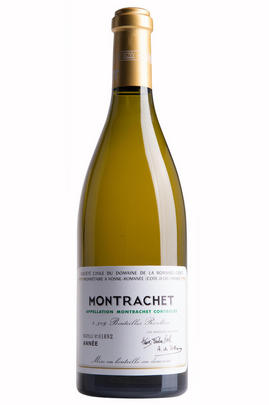
2007 Montrachet, Grand Cru, Domaine de la Romanée-Conti, Burgundy
White
2007
Drink up
Full Bodied
Dry
13.5% Alcohol
Find out more
Available in bond
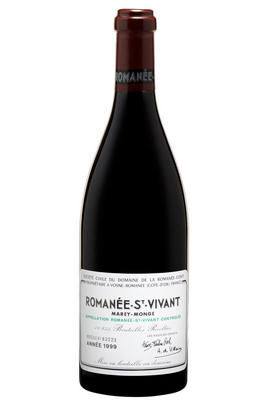
2013 Romanée St-Vivant, Grand Cru, Domaine de la Romanée-Conti, Burgundy
Red
2013
Lay down
Full Bodied
Dry
13.0% Alcohol
Find out more
Available in bond
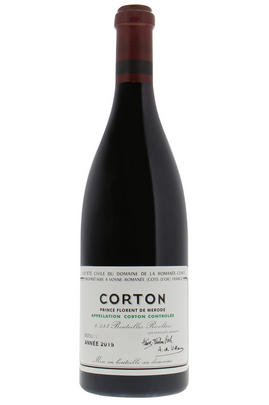
2009 Corton, Grand Cru, Domaine de la Romanée-Conti, Burgundy
Red
2009
Drink, youthful
Medium Bodied
Dry
13.0% Alcohol
Find out more
Available in bond
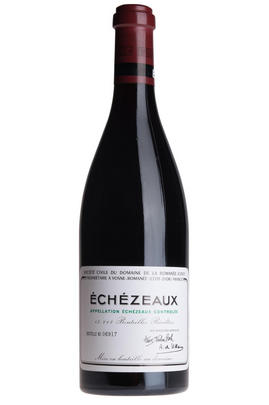
2009 Échézeaux, Grand Cru, Domaine de la Romanée-Conti, Burgundy
Red
2009
Lay down
Full Bodied
Dry
13.5% Alcohol
Find out more
Available in bond
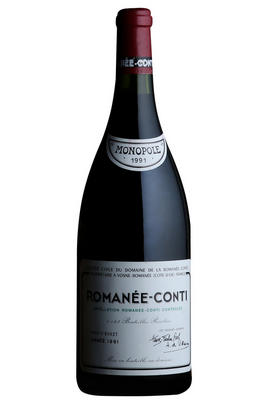
2009 Romanée-Conti, Grand Cru, Domaine de la Romanée-Conti, Burgundy
Red
2009
Lay down
Full Bodied
Dry
13.5% Alcohol
Find out more
Available in bond
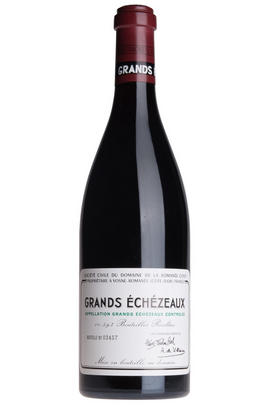
2009 Grands Échézeaux, Grand Cru, Domaine de la Romanée-Conti, Burgundy
Red
2009
Lay down
Full Bodied
Dry
13.5% Alcohol
Find out more
Available in bond
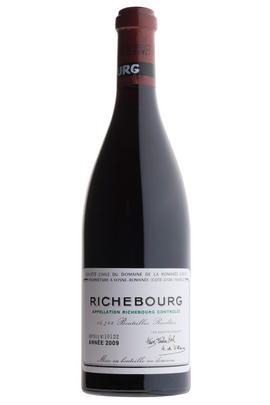
2009 Richebourg, Grand Cru, Domaine de la Romanée-Conti, Burgundy
Red
2009
Lay down
Full Bodied
Dry
13.5% Alcohol
Find out more
Available in bond
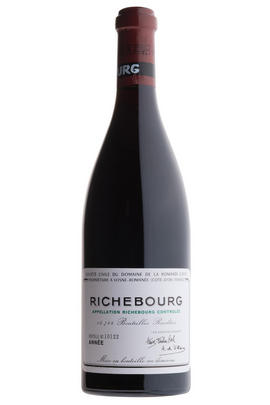
2005 Richebourg, Grand Cru, Domaine de la Romanée-Conti, Burgundy
Red
2005
Drink, youthful
Full Bodied
Dry
13.0% Alcohol
Find out more
Available in bond
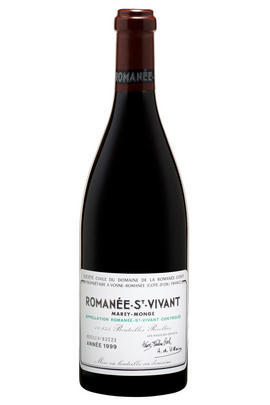
2005 Romanée-St-Vivant, Grand Cru, Domaine de la Romanée-Conti, Burgundy
Red
2005
Drink, youthful
Full Bodied
Dry
13.0% Alcohol
Find out more
Available in bond
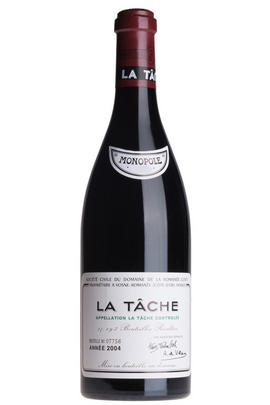
2007 La Tâche, Grand Cru, Domaine de la Romanée-Conti, Burgundy
Red
2007
Drink, youthful
Full Bodied
Dry
13.0% Alcohol
Find out more
Available in bond
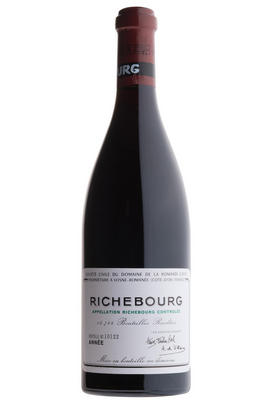
2007 Richebourg, Grand Cru, Domaine de la Romanée-Conti, Burgundy
Red
2007
Drink, youthful
Full Bodied
Dry
13.0% Alcohol
Find out more
Available in bond
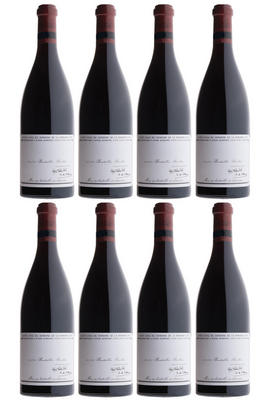
2012 Romanée-Conti Assortment Case of 8 bts (1RC, 1T, 1E, 1R, 2RSV, 2GE)
Red
2012
Drink, youthful
Full Bodied
Dry
13.0% Alcohol
Find out more
Available in bond
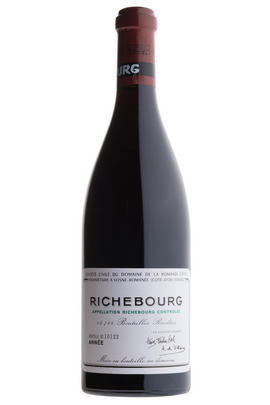
2004 Richebourg, Grand Cru, Domaine de la Romanée-Conti, Burgundy
Red
2004
Drink, youthful
Full Bodied
Dry
13.0% Alcohol
Find out more
Available in bond
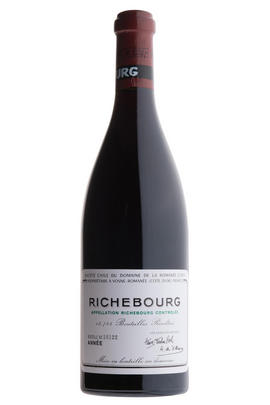
2010 Richebourg, Grand Cru, Domaine de la Romanée-Conti, Burgundy
Red
2010
Lay down
Full Bodied
Dry
13.0% Alcohol
Find out more
Available in bond
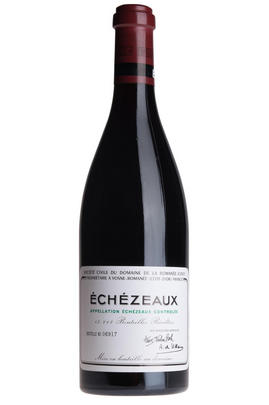
2011 Échézeaux, Grand Cru, Domaine de la Romanée-Conti, Burgundy
Red
2011
Drink, youthful
Full Bodied
Dry
13.0% Alcohol
Find out more
Available in bond
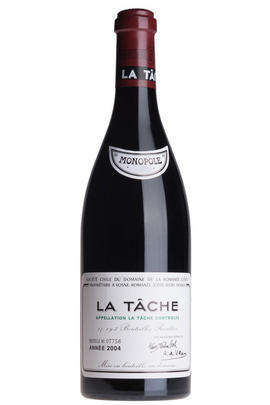
2014 La Tâche, Grand Cru, Domaine de la Romanée-Conti, Burgundy
Red
2014
Lay down
Full Bodied
Dry
13.0% Alcohol
Find out more
Available in bond
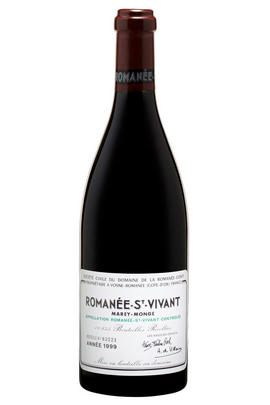
2014 Romanée St-Vivant, Grand Cru, Domaine de la Romanée-Conti, Burgundy
Red
2014
Lay down
Full Bodied
Dry
13.0% Alcohol
Find out more
Available in bond
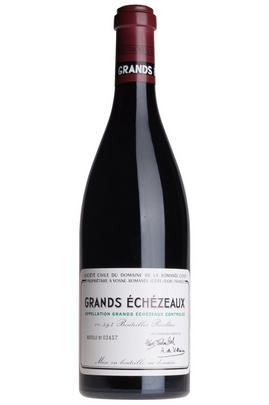
2015 Grands Échézeaux, Grand Cru, Domaine de la Romanée-Conti, Burgundy
Red
2015
Drink, youthful
Full Bodied
Dry
14.0% Alcohol
Find out more
Available in bond
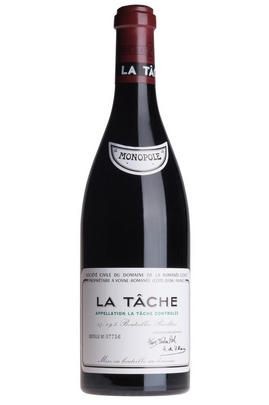
2002 La Tâche, Grand Cru, Domaine de la Romanée-Conti, Burgundy
Red
2002
Drink, at peak
Full Bodied
Dry
13.0% Alcohol
Find out more
Domaine de la Romanée Conti is co-owned by the de Villaine and Leroy/Roch families, the former successors to Jacques-Marie Duvault-Blochet who bought the vineyard of La Romanée Conti in 1869, the latter since acquiring the shares of other descendants of Duvault-Blochet in 1942. The domaine is today run by Aubert de Villaine. Many people in Burgundy just refer to 'DRC' as "the Domaine".
The domaine has 25 hectares of vineyards, all Grand Crus. As well as the 1.8 hectare monopole La Romanée Conti, the Domaine purchased its other monopole, La Tâche, in 1933, along with significant holdings in the grand crus of Richebourg, Romanée-St-Vivant, Grands Échezeaux, Échezeaux and Le Montrachet at various points in the 19th and 20th centuries. The Domaine is the largest owners of each of the red wine grand crus.
The wines are made by Alexandre Bernier, in succession to Bernard Noblet. Whole clusters are used (no destemming) with a long vatting time avoiding excesses of heat. Yields are mind-numbingly low and the winemaking is traditional and perfectionist. These are not merely among the most sumptuous wines of Burgundy but certainly the most stylish. Ancestor Jacques-Marie Duvault-Blochet was an advocate of harvesting late in order to ensure optimum ripeness, a philosophy to which his descendants adhere today.
Jasper Morris MW, Burgundy Wine Director and author of the award-winning Inside Burgundy comprehensive handbook.