

England
English wine is fast becoming a force to be reckoned with. The country’s top vineyards can be found in Hampshire, Sussex and Kent; where limestone-dominated soils allow cool-climate varieties to thrive. A range of wine styles are produced, but England is becoming internationally-renowned for its fine sparkling wines – which frequently trump top Champagne Houses in blind tastings.
£35.75
– bottle
(75cl)
Add item
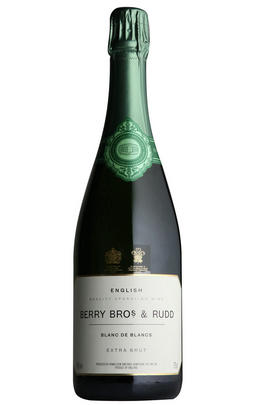
2017 Berry Bros. & Rudd English Sparkling Blanc de Blancs by Hambledon Vineyard, Hampshire, England
White
2017
Drink, at peak
Medium Bodied
Dry
12.0% Alcohol
Find out more
£18.50
– small
(10cl)
Add item
£19.00
– bottle
(75cl)
Limited availability
Add item
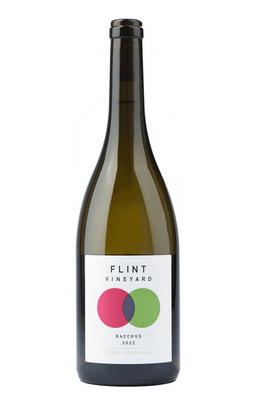
2022 Flint Vineyard, Bacchus, Norfolk, England
White
2022
Drink, at peak
Medium Bodied
Dry
11.0% Alcohol
Find out more
£24.75
– bottle
(75cl)
Add item
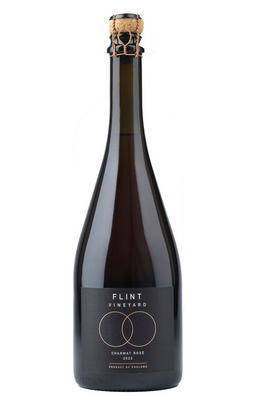
2022 Flint Vineyard, Charmat Rosé, Norfolk, England
Rosé
2022
Drink, at peak
Medium Bodied
Off Dry
12.5% Alcohol
Find out more
£26.00
– bottle
(70cl)
Add item
£28.00
– bottle
(75cl)
Limited availability
Add item
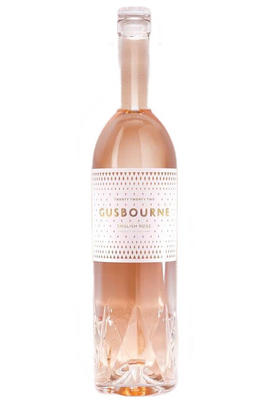
2022 Gusbourne Estate, English Rosé, Kent
Rosé
2022
Drink, at peak
Medium Bodied
Dry
12.5% Alcohol
Find out more
£34.00
– bottle
(75cl)
Add item
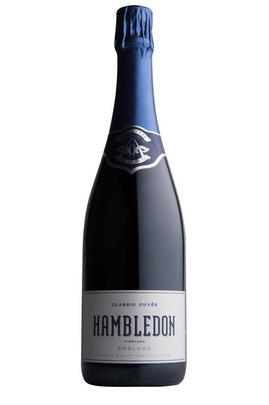
Hambledon, Classic Cuvée, Sparkling, Hampshire, England
White
Drink, at peak
Medium Bodied
Dry
12.0% Alcohol
Find out more
£34.50
– bottle
(75cl)
Add item
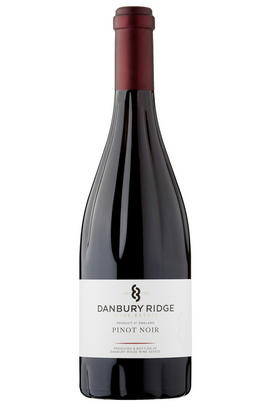
2021 Danbury Ridge Wine Estate, Pinot Noir, Essex, England
Red
2021
Drink, at peak
Medium Bodied
Dry
13.0% Alcohol
Find out more
£35.00
– bottle
(70cl)
Add item
£37.00
– bottle
(75cl)
Add item
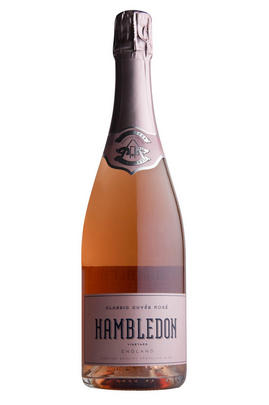
Hambledon, Classic Cuvée Rosé, Sparkling, Hampshire, England
Rosé
Drink, at peak
Medium Bodied
Dry
12.0% Alcohol
Find out more
£38.00
– bottle
(75cl)
Add item
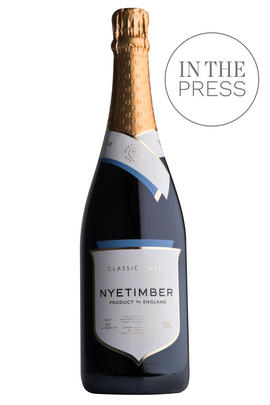
Nyetimber, Classic Cuvée, Brut, Sussex, England
White
Drink, at peak
Medium Bodied
Dry
12.0% Alcohol
Find out more
£38.00
– bottle
(70cl)
Add item
£38.50
– bottle
(70cl)
More sizes available
Add item
£38.75
– bottle
(75cl)
Add item
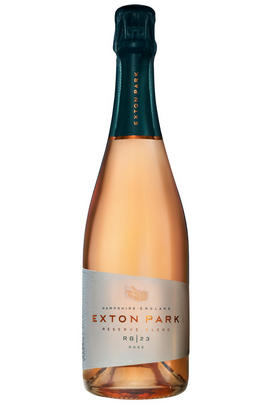
Exton Park, Reserve Blend, RB 23, Rosé, Brut, Hampshire, England
Rosé
Drink, at peak
Medium Bodied
Dry
11.5% Alcohol
Find out more
£41.75
– bottle
(75cl)
Limited availability
Add item
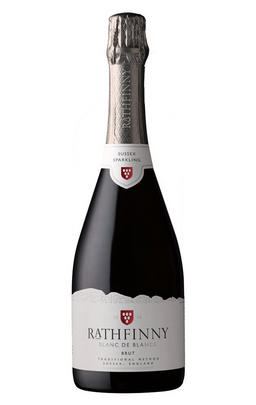
2018 Rathfinny, Blanc de Blancs, Brut, Sussex, England
White
2018
Drink, at peak
Medium Bodied
Dry
12.0% Alcohol
Find out more
£43.50
– bottle
(70cl)
Add item
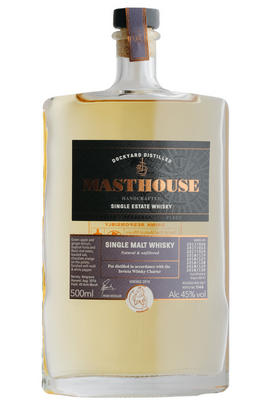
£44.75
– half litre bottle
(50cl)
Add item
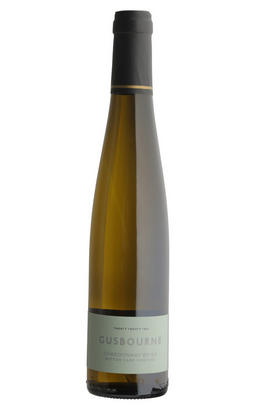
£45.00
– half bottle
(37.5cl)
Limited availability
Add item
2022 Gusbourne Estate, RS180, Chardonnay, Kent, England
White
2022
Drink, at peak
Medium Bodied
Dry
10.0% Alcohol
Find out more
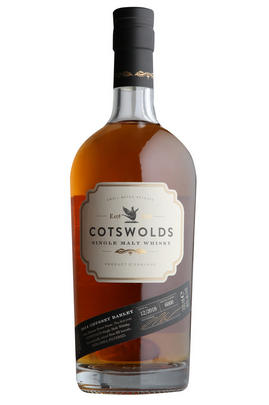
£51.00
– bottle
(70cl)
Add item
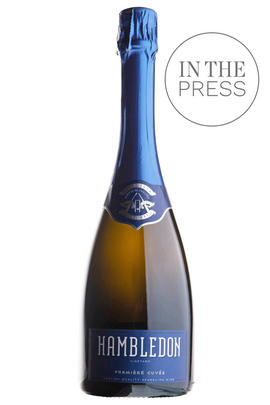
£55.00
– bottle
(75cl)
Add item
Hambledon, Première Cuvée, Sparkling, Hampshire, England
White
Drink, at peak
Medium Bodied
Dry
12.0% Alcohol
Find out more
£55.50
– bottle
(75cl)
Add item
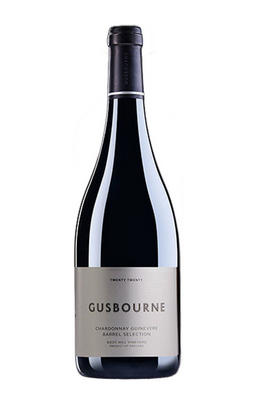
2020 Gusbourne Estate, Guinevere, Barrel Selection, Boot Hill Vineyard, Chardonnay, Kent, England
White
2020
Drink, at peak
Medium Bodied
Dry
13.0% Alcohol
Find out more
£56.00
– bottle
(70cl)
Add item
£56.00
– bottle
(70cl)
Add item
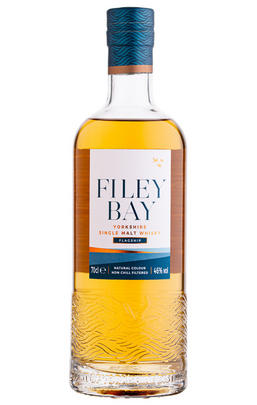
Spirit of Yorkshire Distillery, Filey Bay, Flagship, Single Malt Whisky, England (46%)
46.0% Alcohol
Find out more
£60.00
– bottle
(70cl)
Add item
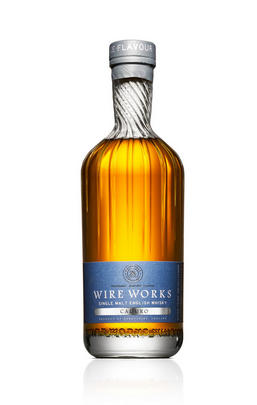
White Peak Distillery, Wire Works, Caduro, Single Malt Whisky, England (46.8%)
46.8% Alcohol
Find out more
£61.00
– bottle
(70cl)
Add item
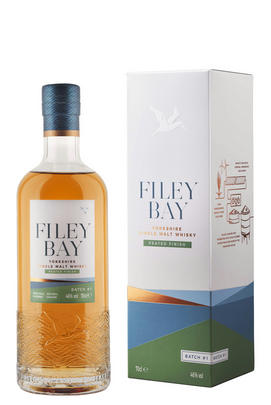
Spirit of Yorkshire Distillery, Filey Bay, Peated Finish, Batch #1, Single Malt Whisky, England (46%)
46.0% Alcohol
Find out more
£61.00
– bottle
(70cl)
Add item
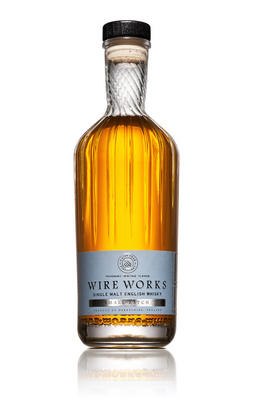
White Peak Distillery, Wire Works, Small Batch 03/2022, Single Malt Whisky, England (46.2%)
46.2% Alcohol
Find out more
£61.00
– bottle
(70cl)
Add item
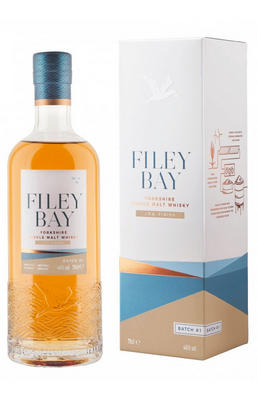
Spirit of Yorkshire Distillery, Filey Bay, IPA Finish, Batch #1, Single Malt Whisky, England (46%)
46.0% Alcohol
Find out more
£62.00
– bottle
(70cl)
Add item
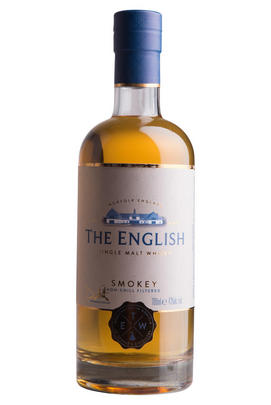
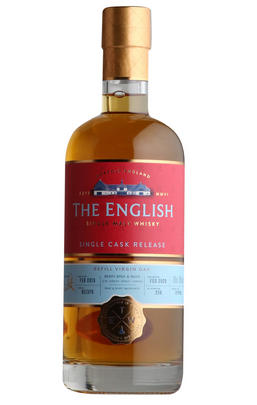
2013 The English, Peated Refill Virgin Oak, Single Malt Whisky, England (58%)
58.0% Alcohol
Find out more
£66.00
– bottle
(70cl)
Limited availability
Add item
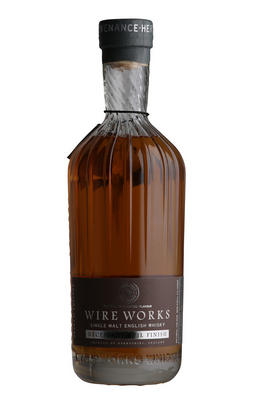
White Peak Distillery, Wire Works, Necessary Evil, Single Malt Whisky, England (51.3%)
51.3% Alcohol
Find out more
£66.50
– bottle
(70cl)
Add item
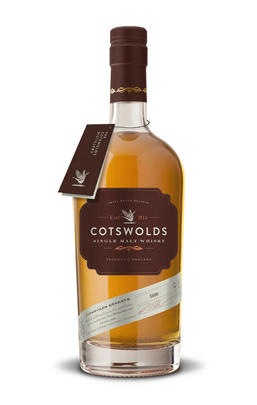
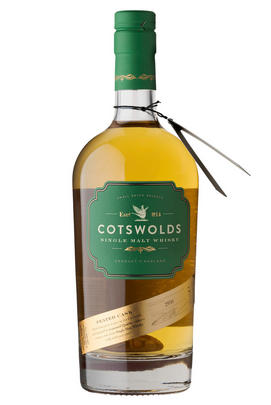
The Cotswolds Distillery, Peated Cask, Single Malt Whisky, England (60.4%)
60.4% Alcohol
Find out more