
In a mere 20 years or so since it joined the EU, Portugal has been
transformed from a country of flabby, oxidized whites and dried-out, tannic
reds to one of the most exciting and innovative wine regions in the
world. Investment, modern technology and knowledge have been the key
drivers.
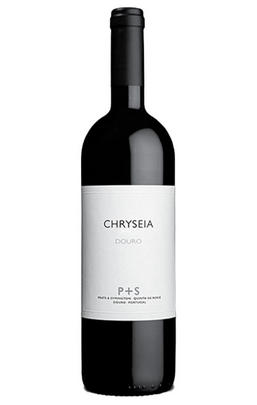
Qualitatively-speaking, the Douro leads the way for the
reds, epitomised by the Chryseia joint venture between the famous Symington Port family and Bruno Prats, the
ex-owner of Ch. Cos d'
Estournel. But it is closely followed by its northern neighbours Dão and Bairrada. However, it is
the large regions of the south, Alentejo,
Estremadura and Terras do Sado, and Beiras in the north,
that laid the ground with their excellent value, modern, fruity reds and whites
from the mid-1990s onwards.
Portugal has always been a bit different from its neighbours. Historically
an ally of England against the French - offering itself at the very least as an
alternative source of wine - it isolated itself for much of the 20th
century during the 42-year Salazar dictatorship that ended in 1974. It was
responsible for some of the most successful mass market wine brands of the
1970s and 1980s - Lancers, Mateus Rosé and Vinho Verde - but holds firmly
onto its range of weird and wonderful indigenous varieties.
Pockets of vines cover most of Portugal - a total of 400,000ha - and it is
Europe's 4th largest producer (with Germany) behind Italy, France and Spain. The country splits naturally
into 2 halves: the north is hillier and wetter (apart from far inland), with
granite, slate and schist soil. It is relatively densely populated, with most
vineyards owned by smallholders cultivating a hotch-potch of indigenous
varieties. The hotter, flatter south has limestone, clay and sand soil, is more
sparsely populated, and boasts larger wine estates with monocépage vineyards,
cultivating far more international varieties.
Portugal boasts an incredible diversity of wines from the fresh, spritzy
whites of Vinho Verde to the rich, full-bodied reds and, of course,
powerful fortified Port
wines, of the Douro.
Portugal's fortified and red wines rule the roost, although the whites show
excellent potential, and not just at the cheap and cheerful end. Excellent
sweet Moscatels can also be found, in regions like Setúbal in the
south. Tannins and acidity remain relatively high here but the wines
share a lovely voluptuous fruit that can be seen across the range.
Portugal's finest white varieties are considered to be
Loureiro and Alvarinho (aka Albariño) in
Vinho Verde, Bical (Bairrada), the aristocratic
Arinto (in southern Portugal), the full-bodied Encruzado (Dão). For the reds, the Port
grape Touriga Nacional (Douro and Dão) is its trump card, followed by
other Port grapes Touriga Franca, Tinta Cão and Tinta Roriz
(aka Tempranillo), Baga (Bairrada), Castelão
Frances (aka Periquita/João de Santarém in the south) and
Trincadeira in the Alentejo.
Portugal's defined appellations are designated DOCs (Denominação de
Origem Controlada), along with a second tier IPR (Indicação de Proveniencia
Regulamentada) - DOCs in waiting - and a third, more flexible classification
for larger regions VR (Vinho Regional).