

New Zealand
New Zealand's wine industry may only be 23 percent of the size of Australia’s but it makes up for this in quality. Its viticultural heritage dates back to Englishman James Busby making wine on North Island circa 1840, yet it wasn't until 1973 that domestic producers planted Sauvignon Blanc in Marlborough's Wairau Valley; in the 1980s, this success was replicated with Pinot Noir in Central Otago – both are home to world-class examples.
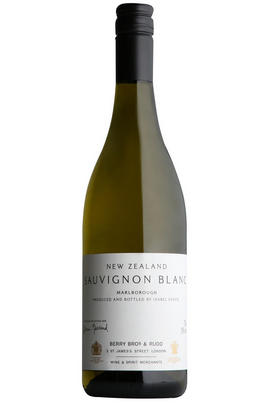
£14.50
– bottle
(75cl)
Add item
2022 Berry Bros. & Rudd New Zealand Sauvignon Blanc by Isabel Estate, Marlborough
White
2022
Drink, at peak
Medium Bodied
Dry
12.5% Alcohol
Find out more
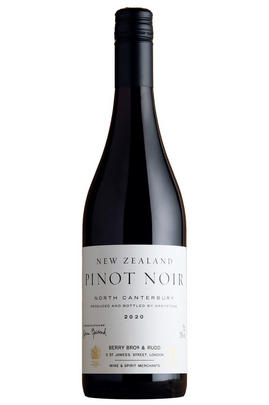
£20.50
– bottle
(75cl)
Add item
2020 Berry Bros. & Rudd New Zealand Pinot Noir by Greystone Wines, North Canterbury
Red
2020
Drink, at peak
Medium Bodied
Dry
14.0% Alcohol
Find out more
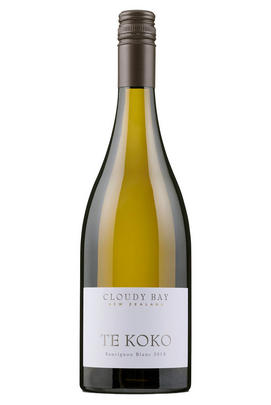
£45.00
– bottle
(75cl)
Add item
2020 Cloudy Bay, Te Koko, Sauvignon Blanc, Marlborough, New Zealand
White
2020
Drink, youthful
Medium Bodied
Dry
13.0% Alcohol
Find out more
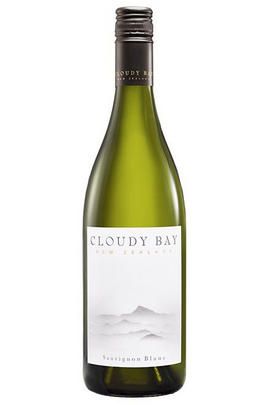
£53.00
– magnum
(150cl)
More sizes available
Add item
2020 Cloudy Bay, Sauvignon Blanc, Marlborough, New Zealand
White
2020
Drink, youthful
Full Bodied
Dry
13.5% Alcohol
Find out more
£86.00
– magnum
(150cl)
More sizes available
Add item
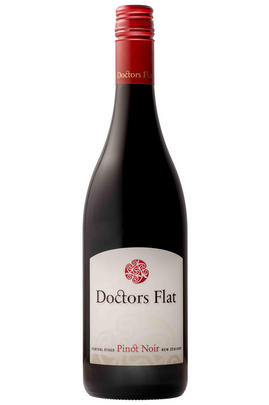
2018 Doctors Flat, Pinot Noir, Central Otago, New Zealand
Red
2018
Drink, youthful
Medium Bodied
Dry
13.5% Alcohol
Find out more
Available in bond
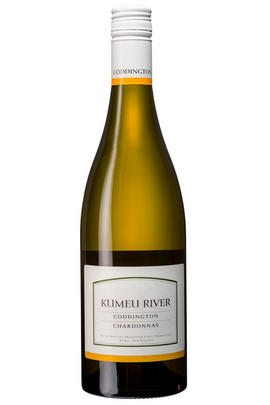
2016 Kumeu River, Coddington Chardonnay, Kumeu, New Zealand
White
2016
Drink, youthful
Full Bodied
Dry
14.0% Alcohol
Find out more
Available in bond
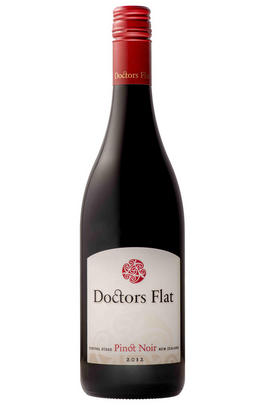
2012 Doctors Flat, Pinot Noir, Central Otago, New Zealand
Red
2012
Drink up
Medium Bodied
Dry
13.5% Alcohol
Find out more
Available in bond
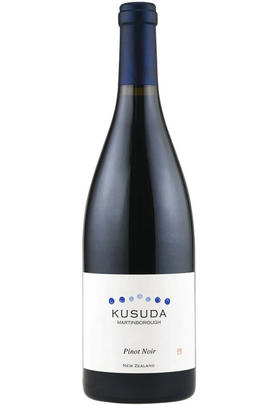
2012 Kusuda Wines, Pinot Noir, Martinborough, New Zealand
Red
2012
Drink, at peak
Medium Bodied
Dry
13.5% Alcohol
Find out more
Available in bond
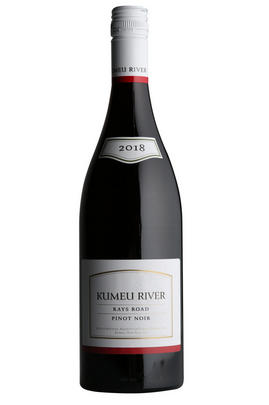
2018 Kumeu River, Rays Road Pinot Noir, Hawkes Bay, New Zealand
Red
2018
Lay down
Full Bodied
Dry
13.0% Alcohol
Find out more
Available in bond
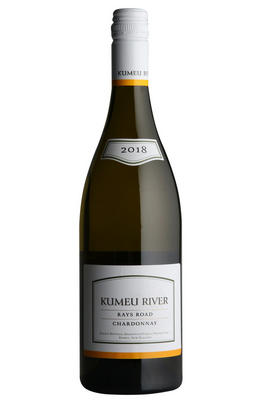
2018 Kumeu River, Rays Road Chardonnay, Hawkes Bay, New Zealand
White
2018
Drink, youthful
Full Bodied
Dry
13.0% Alcohol
Find out more
Available in bond
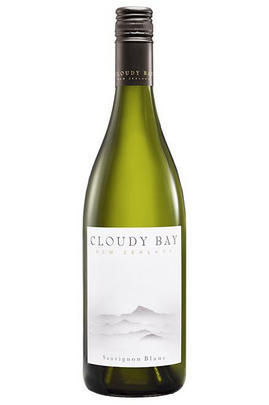
2019 Cloudy Bay, Sauvignon Blanc, Marlborough, New Zealand
White
2019
Drink, youthful
Full Bodied
Dry
13.0% Alcohol
Find out more
Available in bond
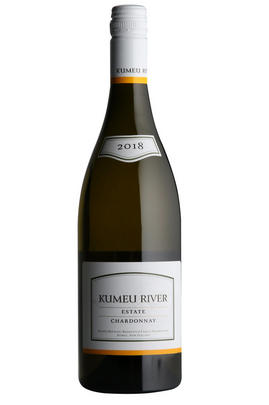
2018 Kumeu River, Estate Chardonnay, Kumeu, New Zealand
White
2018
Drink, at peak
Medium Bodied
Dry
13.0% Alcohol
Find out more
Available in bond
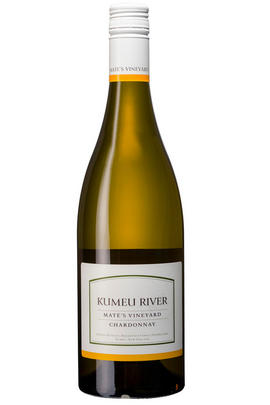
2018 Kumeu River, Maté's Vineyard Chardonnay, Kumeu, New Zealand
White
2018
Drink, youthful
Full Bodied
Dry
13.0% Alcohol
Find out more
Available in bond
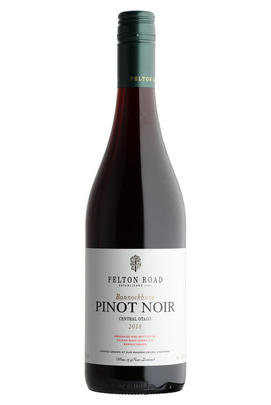
2018 Felton Road, Bannockburn Pinot Noir, Central Otago, New Zealand
Red
2018
Drink, youthful
Medium Bodied
Dry
13.5% Alcohol
Find out more
Available in bond
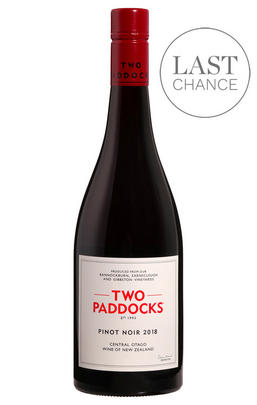
2018 Two Paddocks, Pinot Noir, Central Otago, New Zealand
Red
2018
Drink, at peak
Full Bodied
Dry
13.5% Alcohol
Find out more
Available in bond
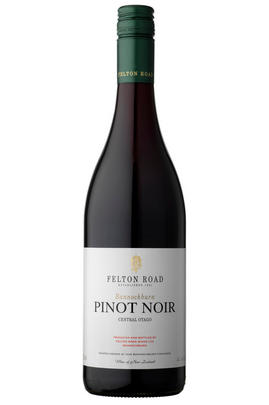
2016 Felton Road, Bannockburn Pinot Noir, Central Otago, New Zealand
Red
2016
Drink, youthful
Medium Bodied
Dry
14.0% Alcohol
Find out more
Available in bond
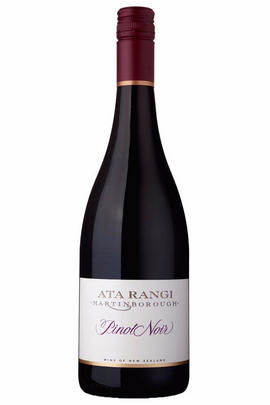
2016 Ata Rangi, Pinot Noir, Martinborough, New Zealand
Red
2016
Drink, youthful
Medium Bodied
Dry
13.0% Alcohol
Find out more
Available in bond
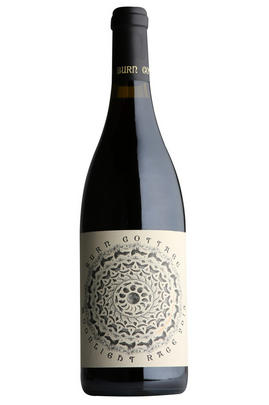
2016 Burn Cottage, Burn Cottage Vineyard Pinot Noir, Central Otago, NewZealand
Red
2016
Drink, at peak
Medium Bodied
Dry
13.5% Alcohol
Find out more
Available in bond
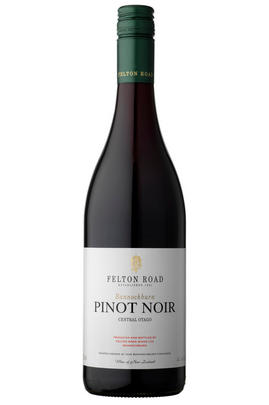
2017 Felton Road, Bannockburn Pinot Noir, Central Otago, New Zealand
Red
2017
Drink, youthful
Medium Bodied
Dry
14.0% Alcohol
Find out more
Available in bond
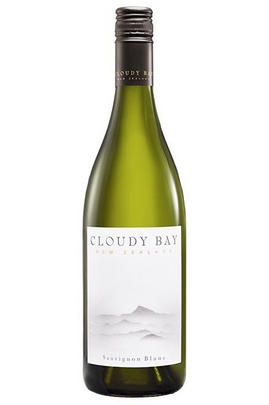
2017 Cloudy Bay, Sauvignon Blanc, Marlborough, New Zealand
White
2017
Drink, at peak
Medium Bodied
Dry
13.0% Alcohol
Find out more
Available in bond
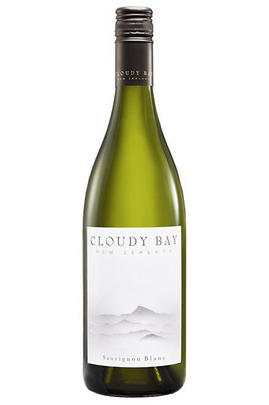
2018 Cloudy Bay, Sauvignon Blanc, Marlborough, New Zealand
White
2018
Drink, at peak
Full Bodied
Dry
13.0% Alcohol
Find out more
Available in bond
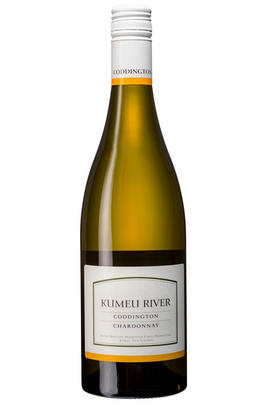
2018 Kumeu River, Coddington Chardonnay, Kumeu, New Zealand
White
2018
Drink, youthful
Full Bodied
Dry
13.0% Alcohol
Find out more
Available in bond
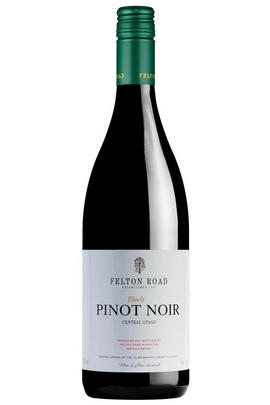
2018 Felton Road, Block 2 Chardonnay, Central Otago, New Zealand
White
2018
Drink, youthful
Medium Bodied
Dry
13.5% Alcohol
Find out more
Available in bond
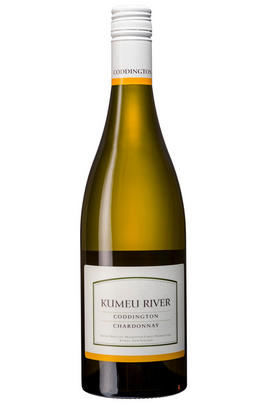
2017 Kumeu River, Coddington Chardonnay, Kumeu, New Zealand
White
2017
Drink, youthful
Full Bodied
Dry
13.5% Alcohol
Find out more
Available in bond
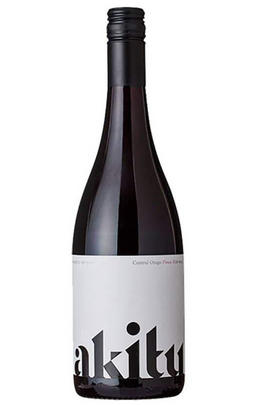
2017 Akitu, A1 Pinot Noir, Central Otago, New Zealand
Red
2017
Drink, at peak
Medium Bodied
Dry
13.5% Alcohol
Find out more
Available in bond
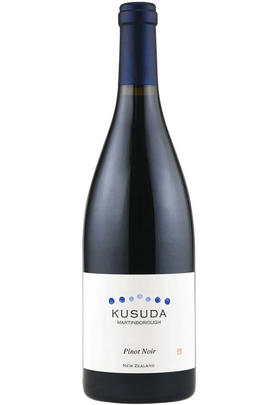
2017 Kusuda Wines, Pinot Noir, Martinborough, New Zealand
Red
2017
Drink, youthful
Medium Bodied
Dry
13.0% Alcohol
Find out more
Available in bond
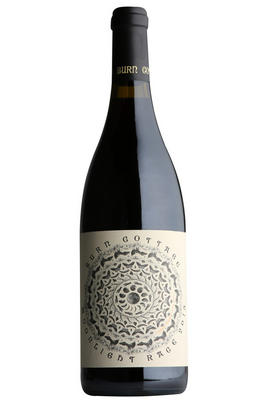
2016 Burn Cottage Vineyard, Moonlight Race, Pinot Noir, Central Otago, New Zealand
Red
2016
Drink, at peak
Medium Bodied
Dry
13.5% Alcohol
Find out more
Available in bond
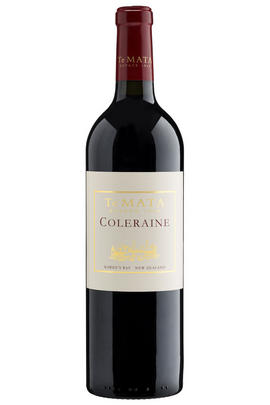
2013 Te Mata Estate, Coleraine, Hawke's Bay, New Zealand
Red
2013
Drink, at peak
Full Bodied
Dry
13.0% Alcohol
Find out more
Available in bond
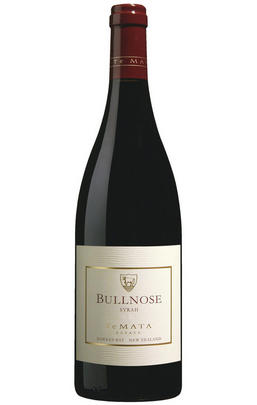
2015 Te Mata Estate, Bullnose, Syrah, Hawkes Bay, New Zealand
Red
2015
Drink, at peak
Full Bodied
Dry
14.0% Alcohol
Find out more
Available in bond
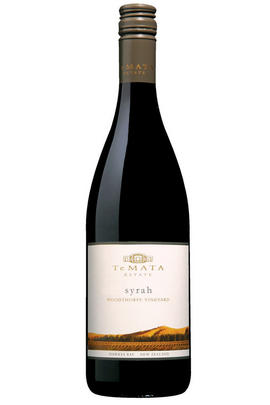
2015 Te Mata Estate, Awatea, Cabernets Merlot, Hawkes Bay, New Zealand
Red
2015
Drink, at peak
Full Bodied
Dry
13.5% Alcohol
Find out more