

St Émilion
First officially classified in 1954, St-Émilion is one of Bordeaux's largest winemaking appellations, producing more wine than Listrac, Moulis, St Estèphe, Pauillac, St Julien and Margaux combined. Many of the region's finest vineyards can be found atop the steep limestone slopes of the village itself, although a fledgling band of garagiste producers are eschewing terroir to make small-batch, deeply-concentrated wines from their homes.
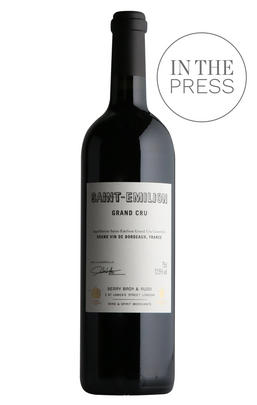
£28.50
– bottle
(75cl)
Add item
2020 Berry Bros. & Rudd St Emilion by Château Simard, Bordeaux
Red
2020
Drink, at peak
Full Bodied
Dry
13.5% Alcohol
Find out more
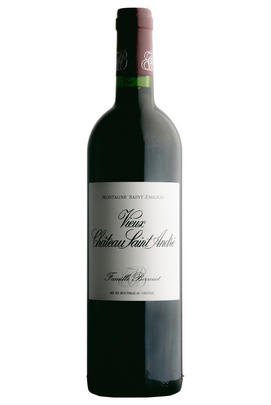
£26.50
– bottle
(75cl)
Add item
2020 Vieux Château Saint André, Montagne-St Emilion, Bordeaux
Red
2020
Drink, youthful
Full Bodied
Dry
14.5% Alcohol
Find out more
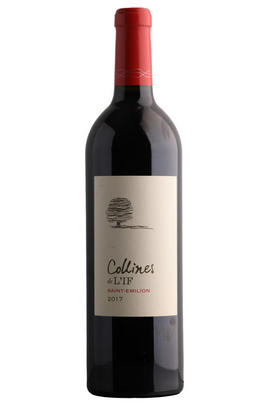
£32.00
– bottle
(75cl)
Add item
2017 Collines de L'If, St Emilion, Bordeaux
Red
2017
Drink, at peak
Full Bodied
Dry
14.0% Alcohol
Find out more
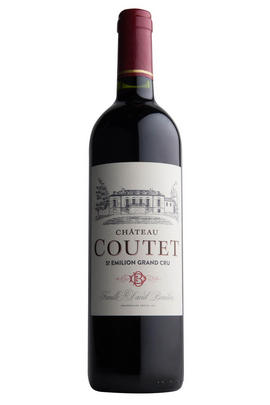
£33.50
– bottle
(75cl)
Add item
2019 Château Coutet, St Emilion, Bordeaux
Red
2019
Lay down
Full Bodied
Dry
13.5% Alcohol
Find out more
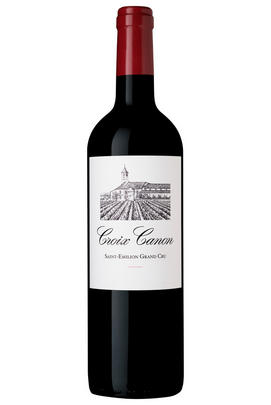
£34.50
– bottle
(75cl)
More sizes available
Add item
2016 Croix Canon, St Emilion, Bordeaux
Red
2016
Drink, at peak
Full Bodied
Dry
14.5% Alcohol
Find out more
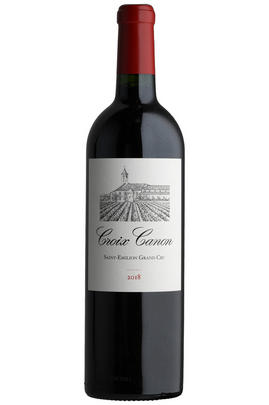
£35.50
– bottle
(75cl)
Add item
2018 Croix Canon, St Emilion, Bordeaux
Red
2018
Drink, youthful
Full Bodied
Dry
14.5% Alcohol
Find out more
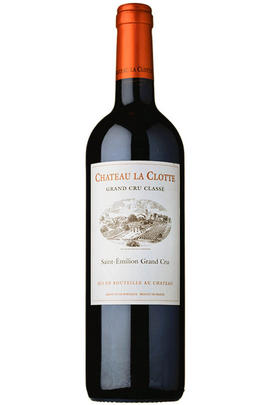
£45.50
– bottle
(75cl)
Add item
2014 Château la Clotte, St Emilion, Bordeaux
Red
2014
Drink, at peak
Full Bodied
Dry
13.0% Alcohol
Find out more
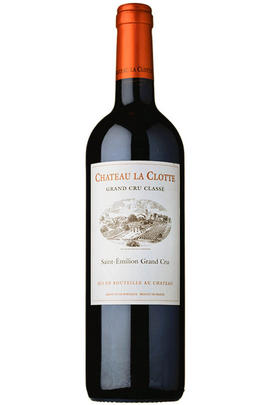
£73.00
– bottle
(75cl)
Add item
2021 Château la Clotte, St Emilion, Bordeaux
Red
2021
Lay down
Full Bodied
Dry
12.5% Alcohol
Find out more
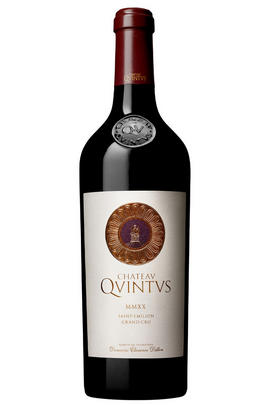
£93.00
– bottle
(75cl)
Add item
2021 Château Quintus, St Emilion, Bordeaux
Red
2021
Lay down
Full Bodied
Dry
13.5% Alcohol
Find out more
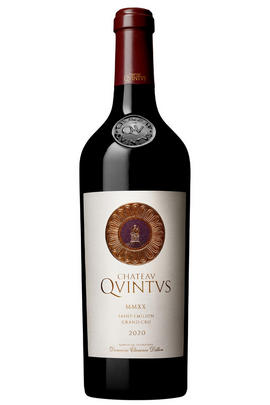
£93.50
– bottle
(75cl)
Add item
2020 Château Quintus, St Emilion, Bordeaux
Red
2020
Lay down
Full Bodied
Dry
15.5% Alcohol
Find out more
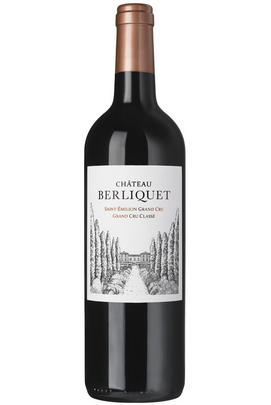
£102.00
– magnum
(150cl)
More sizes available
Add item
2021 Château Berliquet, St Emilion, Bordeaux
Red
2021
Lay down
Full Bodied
Dry
13.5% Alcohol
Find out more
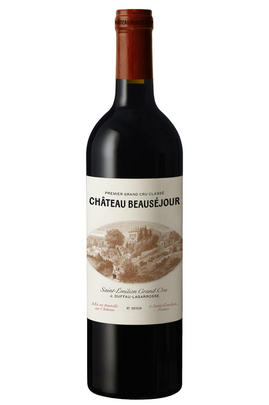
£111.50
– bottle
(75cl)
Add item
2021 Château Beauséjour Duffau-Lagarrosse, St Emilion, Bordeaux
Red
2021
Lay down
Full Bodied
Dry
13.5% Alcohol
Find out more
£112.00
– bottle
(75cl)
More sizes available
Add item
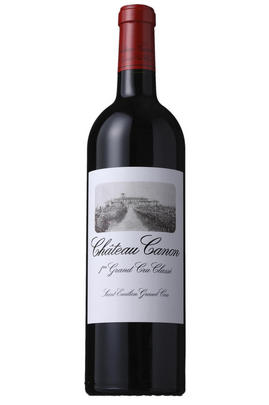
2021 Château Canon, St Emilion, Bordeaux
Red
2021
Lay down
Full Bodied
Dry
13.5% Alcohol
Find out more
£148.00
– bottle
(75cl)
Add item
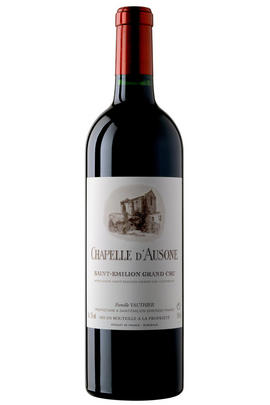
2020 Chapelle d'Ausone, St Emilion, Bordeaux
Red
2020
Lay down
Full Bodied
Dry
14.0% Alcohol
Find out more
£159.50
– magnum
(150cl)
Add item
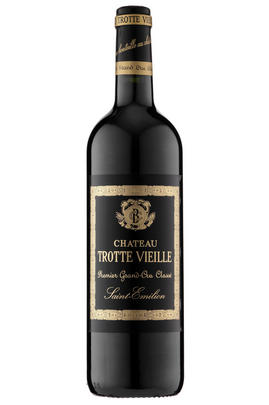
2008 Château Trotte Vieille, St Emilion, Bordeaux
Red
2008
Drink, youthful
Medium Bodied
Dry
14.5% Alcohol
Find out more
£160.00
– bottle
(75cl)
Add item
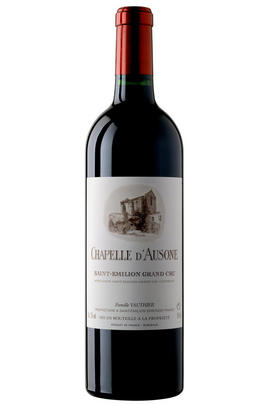
2021 Chapelle d'Ausone, St Emilion, Bordeaux
Red
2021
Lay down
Full Bodied
Dry
13.5% Alcohol
Find out more
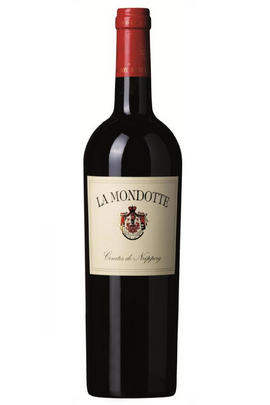
£163.50
– bottle
(75cl)
Add item
2020 La Mondotte, St Emilion, Bordeaux
Red
2020
Lay down
Medium Bodied
Dry
14.5% Alcohol
Find out more
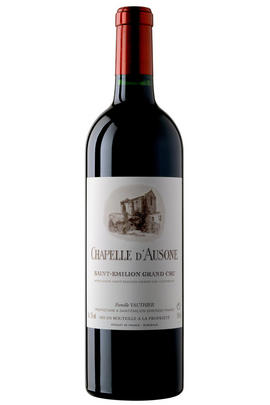
£167.50
– bottle
(75cl)
Add item
2017 Chapelle d'Ausone, St Emilion, Bordeaux
Red
2017
Lay down
Full Bodied
Dry
13.5% Alcohol
Find out more
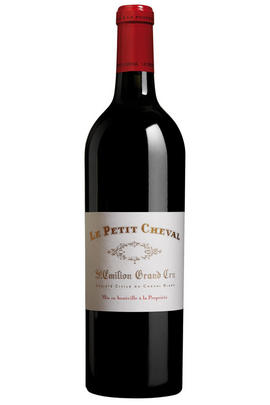
£190.50
– bottle
(75cl)
Limited availability
More sizes available
Add item
2019 Le Petit Cheval, St Emilion, Bordeaux
Red
2019
Lay down
Full Bodied
Dry
14.5% Alcohol
Find out more
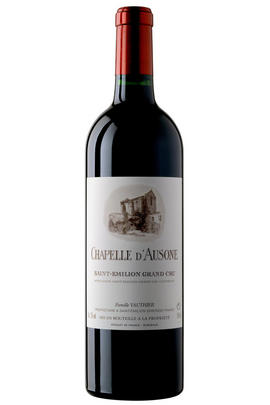
£195.50
– bottle
(75cl)
Add item
2018 Chapelle d'Ausone, St Emilion, Bordeaux
Red
2018
Lay down
Full Bodied
Dry
13.5% Alcohol
Find out more
Available in bond
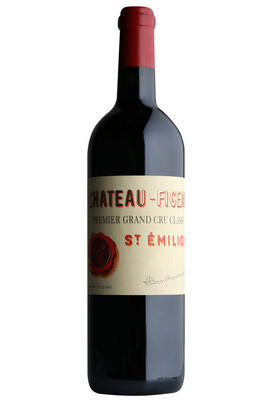
2020 Château Figeac, St Emilion, Bordeaux
Red
2020
Lay down
Full Bodied
Dry
14.0% Alcohol
Find out more
£221.00
– double magnum
(300cl)
Limited availability
More sizes available
Add item
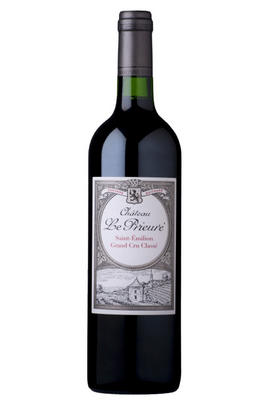
2021 Château Le Prieuré, St Emilion, Bordeaux
Red
2021
Lay down
Full Bodied
Dry
13.5% Alcohol
Find out more
£247.00
– magnum
(150cl)
Limited availability
More sizes available
Add item
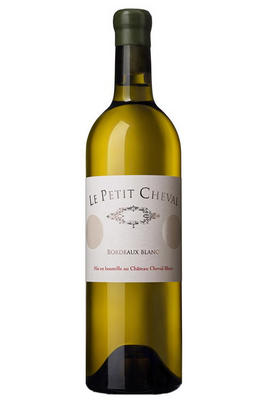
2021 Le Petit Cheval Blanc, Bordeaux
White
2021
Drink, youthful
Full Bodied
Dry
13.0% Alcohol
Find out more
£282.00
– bottle
(75cl)
Limited availability
More sizes available
Add item
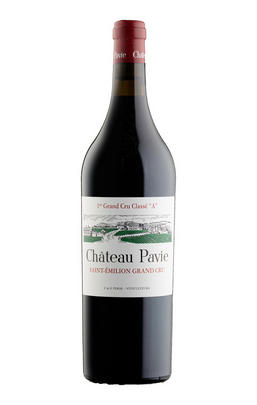
2021 Château Pavie, St Emilion, Bordeaux
Red
2021
Lay down
Full Bodied
Dry
14.5% Alcohol
Find out more
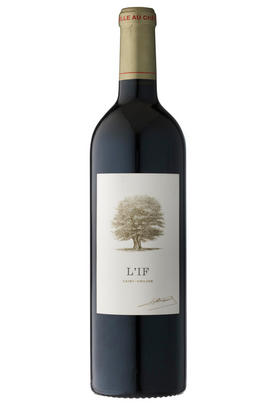
£303.00
– bottle
(75cl)
Add item
£441.50
– bottle
(75cl)
Ex-Chateau
Misprinted Label
Limited availability
Add item
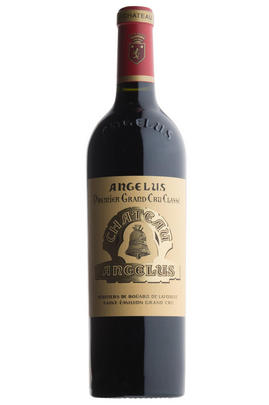
2002 Château Angélus, St Emilion, Bordeaux
Red
2002
Drink up
Full Bodied
Dry
14.0% Alcohol
Find out more
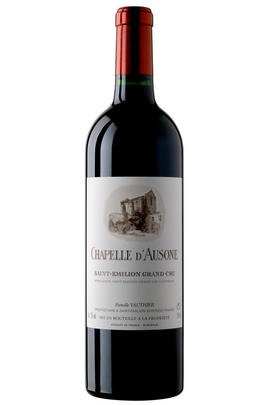
£544.00
– bottle
(75cl)
Add item
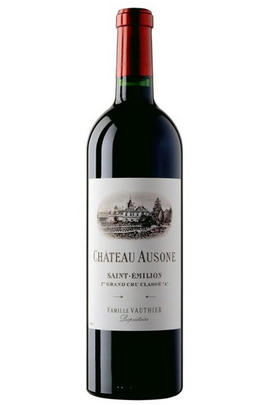
1996 Château Ausone, St Emilion, Bordeaux
Red
1996
Drink up
Full Bodied
Dry
13.0% Alcohol
Find out more
£658.00
– bottle
(75cl)
More sizes available
Add item
2018 Château Ausone, St Emilion, Bordeaux
Red
2018
Lay down
Full Bodied
Dry
14.5% Alcohol
Find out more
£673.00
– double magnum
(300cl)
Limited availability
More sizes available
Add item
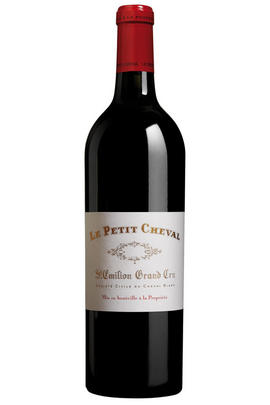
2021 Le Petit Cheval, St Emilion, Bordeaux
Red
2021
Lay down
Full Bodied
Dry
13.5% Alcohol
Find out more
£741.50
– bottle
(75cl)
Limited availability
More sizes available
Add item
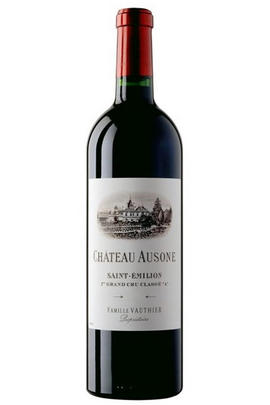
2015 Château Ausone, St Emilion, Bordeaux
Red
2015
Lay down
Full Bodied
Dry
14.5% Alcohol
Find out more