A brief introduction to sake
Written by

Sake has an ancient history spanning 2,500 years – as old as rice cultivation in Japan. The first written record of Japanese sake consumption comes from a Chinese document in the 3rd century AD stating: “People in Japan drink sake. They drink it in groups when they are mourning.”
So, let’s take a closer look at what sake is and how it’s made.
What is it?
Sake is often referred to as a rice wine, but the production process makes it closer in nature to a beer. It’s brewed from rice, and once filtered, the final liquid resembles a white wine in appearance, with hues ranging from transparent to cloudy white.
How is it made?
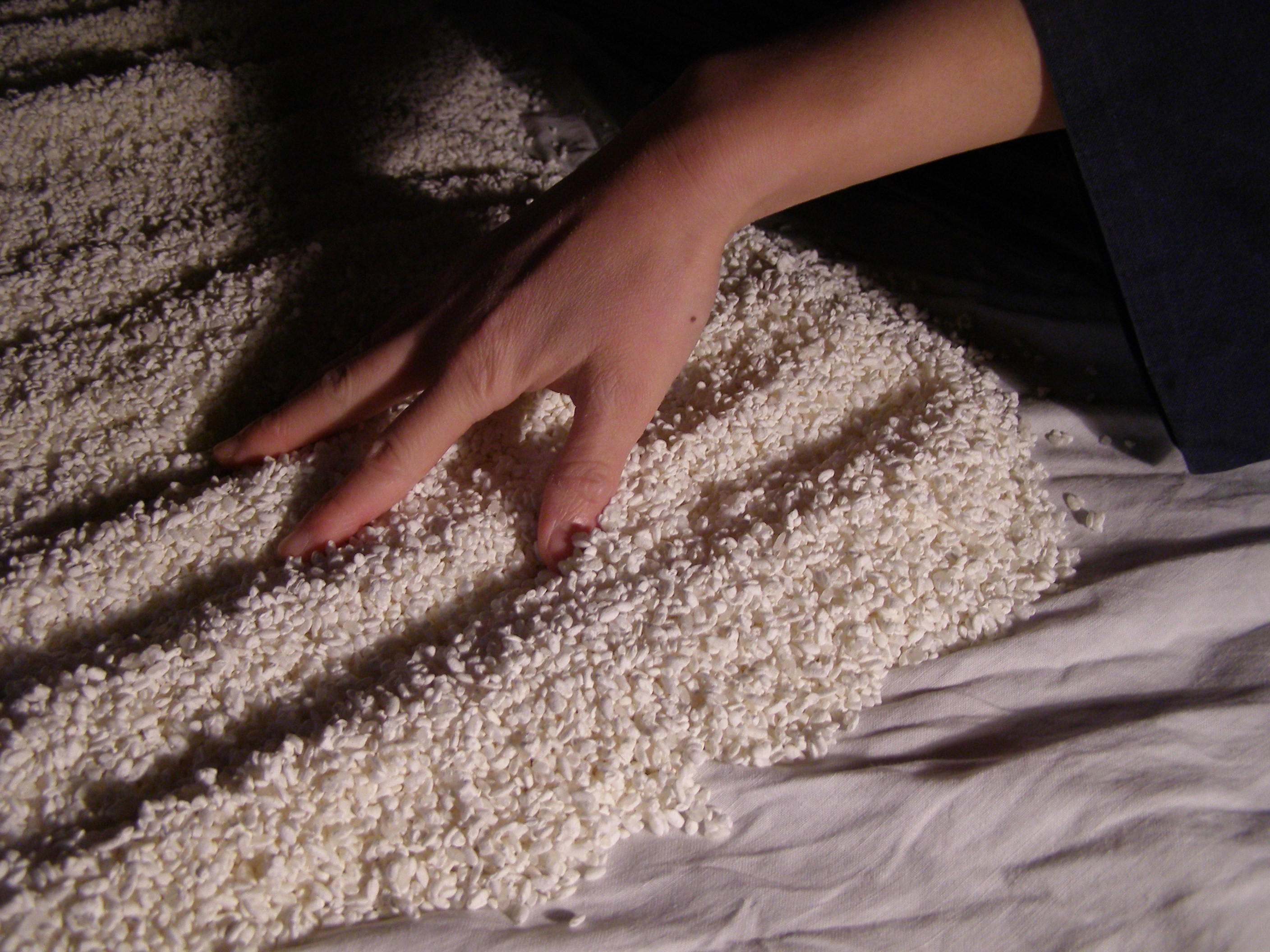
Sake is made using four key ingredients: rice, water, *koji *and yeast. The rice is polished to remove the outer layers of proteins, vitamins and minerals, until only the starch at its core remains. There are different levels to which the rice can be polished, known as the “polishing ratio”. This percentage tells us how much of the rice grain remains, rather than how much has been removed. So, for example, a 60% polishing ratio means that 60% of the rice grain is left after the polishing process. The extent to which the rice is polished determines the style and flavour profile of the resulting sake, and how it will be classified.
Sake classifications
Sakes are distinguished into two categories: Junmai and non-Junmai sake. Junmai translates to “pure rice”, meaning that no further alcohol has been added. These sakes typically have a more robust flavour profile and a fuller body. Even the more refined Junmai styles (such as Ginjo and Daiginjo) will be marked by a subtle umami character.
Daiginjo
These are made from the most finely milled rice (with at least 50% of the grain polished away), which gives the sake a very clean and delicate flavour. Due to the subtlety of these flavours, these sakes are usually served chilled, as heating the liquid can stifle the aromas. Often marked by notes of fresh red apple and melon, it’s said to be a classic partner for sushi and fish-heavy dishes, thanks to its cleansing character.
Ginjo
Sakes classified as Ginjo are made from rice that’s been milled to a 60% polishing rate. These are typically fruity and floral, with a medium body. This type of sake is best served chilled, and is a delicious pairing for sushi dishes too. But it will generally match beautifully with anything with a more delicate character, such as oysters or simply dressed salads.
Tokubetsu
These sakes are also made from 60% milled rice. They often exhibit a character balanced between savoury notes and a more aromatic and fruity profile. They can be medium to full in body, and can be served chilled or warm. Given their versatility, they can stand up to a range of dishes - from noodle dishes such as udon and yaki soba, to shellfish and white meats.
Junmai
Sakes labelled simply as Junmai are made from rice milled to a 70% ratio, with no addition of brewer’s alcohol. They usually display a savoury, full-bodied character, with more bitter earthy notes and a higher acidity. Junmai can be served warm or chilled, making it a versatile food partner. Grilled fish, stir-fried vegetables or a hearty bowl of ramen will all be delicious.
Honjozo
This non-Junmai sake is made from rice with a 70% polishing rate. It has a similar robust profile to Junmai, but - with the addition of brewer’s alcohol - it has a slightly more aromatic character than its “pure rice” counterpart. It usually exhibits cereal notes, with muted fruit. Like Junmai, Honjozo sakes can be served warm or chilled, matching well with a whole range of dishes.