

A guide to Margaret River
Written by

It is only just over 50 years since Dr Tom Cullity put Margaret River on the vinous map, planting the region’s first vines in 1967. Back then it was just a dirt track – impassable in winter – that tied this viticultural paradise to Perth. Today, fortunately, a Freeway makes “Margs” (as it is affectionately known to locals) just a three-hour pootle from Western Australia’s big city. (If you’re looking for a stop en route, Bunbury Farmers Market is perfect for stocking up on supplies.)
Wineries of the region regularly trundle out the area’s impressive statistics – producing just three percent of Australia’s wine in quantity, Margaret River contributes a whopping 20 percent of the quality. While by the time you’ve heard it the 10th time, it seems less impressive – this really is astounding, especially when one considers quite how “new” viticulture is here. This really is the New World.
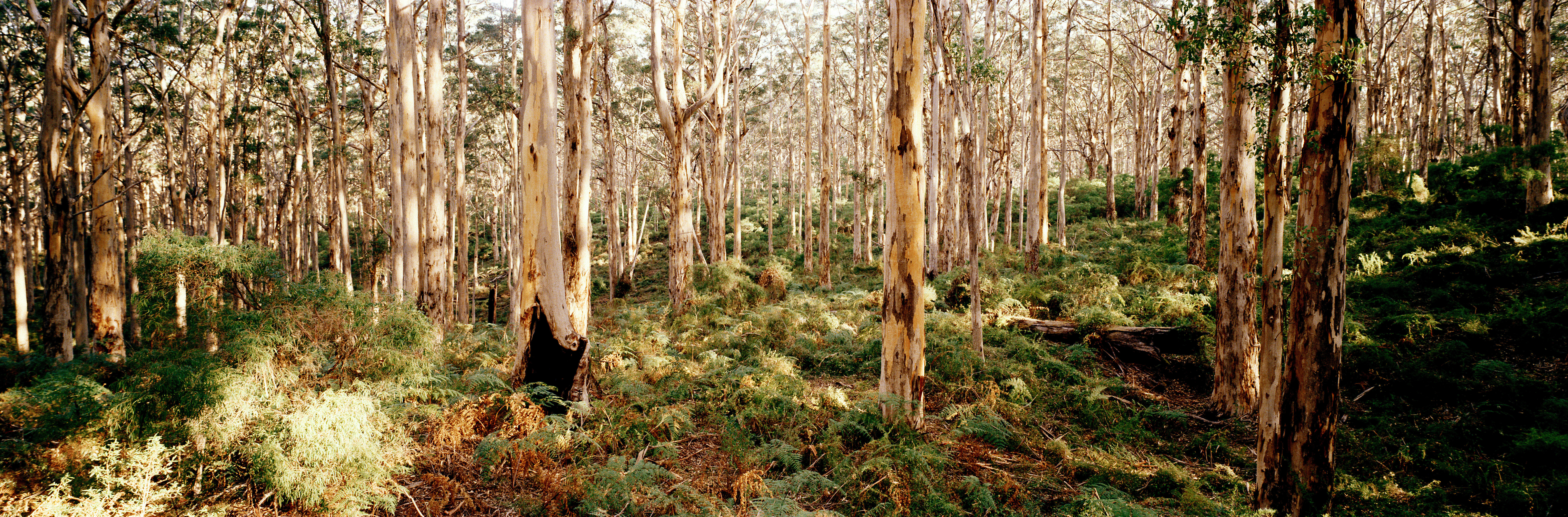
Edged in between Cape Naturaliste and Cape Leeuwin, the compact region (just a two-hour drive from top to bottom) offers lush forests, breath-taking coastlines with the country’s very best surfing, and a gastronomic haven for foodie types. Cooler than Perth, the climate was originally compared to that of Bordeaux (and hence identified for its potential to grow world-class Cabernet), but it still offers plenty of beach-friendly sunshine, without overbaking bathers. Summer is the best time to visit weather-wise, but naturally the busiest. To get the most out of winery visits, avoid visiting during vintage (February to April), but be warned that the warm weather tails off come the end of that period. If you’re a surf enthusiast, the World Surf League World Champion Tour stops off in Margs at the end of April.
What to drink
The region’s wineries mainly lie on or around Caves Road, a picturesque and winding route that runs north to south near the coast. Most are well set-up for visitors, but do check opening times online before setting out. Top of your priority list should be the “establishment” – the wineries on which the region’s reputation has been built: Leeuwin, Vasse Felix, Cullen, Pierro, Woodlands and Moss Wood (the latter by appointment only). The region is known for its elegant Cabernet and age-worthy Chardonnay – but its Sauvignon/Sémillon blends shouldn’t be forgotten.
Keep an eye out for Shiraz and Riesling from the Great Southern, where the cooler climate lends itself to perfumed expressions of these two grapes. And if, like us, you end a day of wine tasting craving a crisp pint, there is plenty of outstanding local beer to slake your thirst.
For bottles beyond the region’s wineries, we’d suggest popping into Old Bridge Cellars or Petition Wine in Perth before heading south – as there are few bottle shops with a sufficiently extensive range down there.
Don’t miss
In between wineries, be sure to enjoy the region’s scenery. Take on a section of the Cape-to-Cape track by foot; go for a horse ride through kangaroo-dotted bushland at Jesters Flat; visit one of the area’s famous caves (Jewel or Lake are our recommendations). As for beaching, there are too many to choose from: it’s worth seeking out the Injidup Natural Spas, while Bunker Bay, Gracetown and Gnarabup are a few favourites for swimming.



