

Everything you need to know about Beaujolais
Written by

Photograph: Jason Lowe
Where is it?
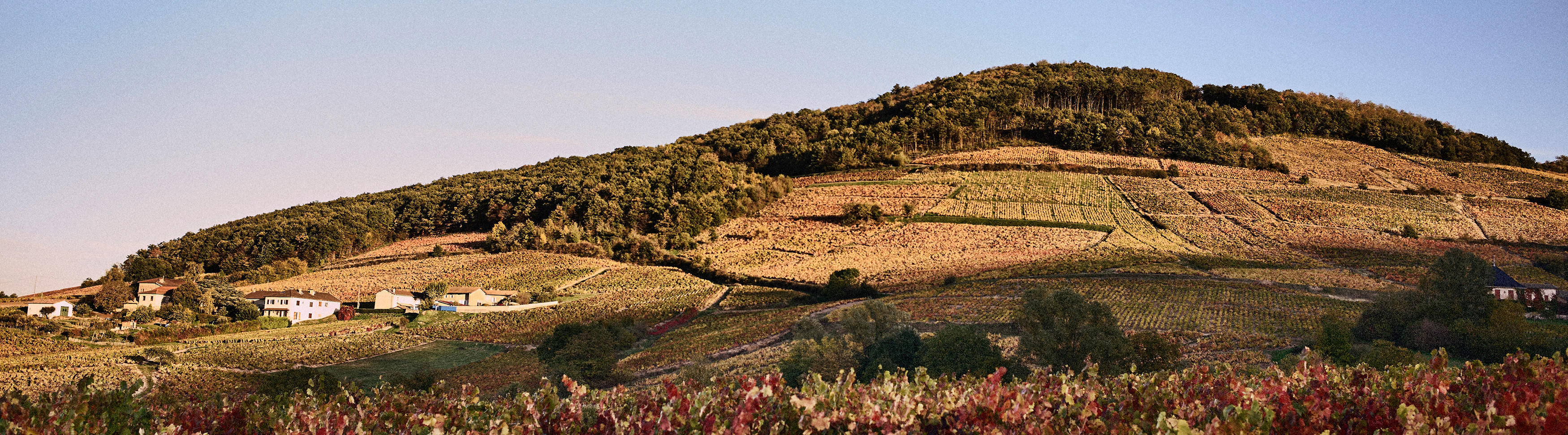
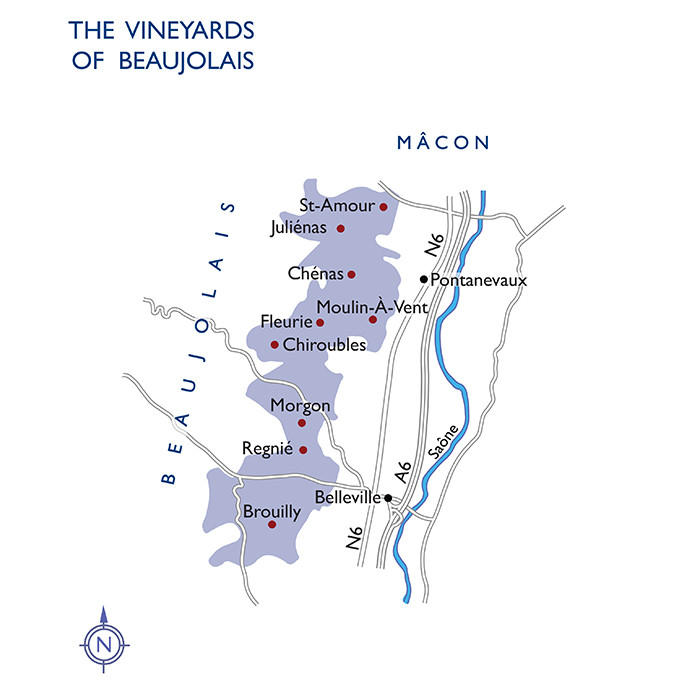
Sitting between Burgundy and the Rhône, just south of the Mâconnais, Beaujolais (just over 15,000 hectares) is formed of rolling granite hills in the north, with the land flattening out in the south. Better wines will be labelled “Beaujolais-Villages” coming from the northern, hillier half – versus “Beaujolais” which can be sourced from anywhere in the region. The best wines come from the 10 classified villages, or Crus (see our quick guide to the most famous of these below).
What’s the story?
This is the home of Gamay – a grape rarely found elsewhere. Historically it was planted throughout Burgundy, but in 1395 Philip the Bold, Duke of Burgundy banned the variety – and today only small plots remain in the Côte d’Or, making their way into bottlings of Coteaux Bourguignons or Bourgogne Passetoutgrains (try those from Grivot or Lafarge). Although today Beaujolais sits in the shadow of Burgundy, in the early 20th century Beaujolais was as prestigious as its northern neighbour, commanding similar or in some cases higher prices.
In the wake of the Second World War, the region’s winemakers started selling Beaujolais Nouveau – youthful, fruit-forward wines that could be sold from the November following harvest. Made with carbonic maceration, these distinctively soft and fruity wines were soon sold around the world, wooing consumers with their hint of bubble gum and banana, representing as much as 60% of the region’s production in the 1980s. But a rebellion was brewing. A group of winemakers – including those dubbed the Gang of Four by Kermit Lynch (Jean-Paul Thévenet, Guy Breton, Jean Foillard and Marcel Lapierre) – started championing the old way of making wine, with sustainable farming, slow vinification and long maturation – an off-hands approach that made them, and the region, the darling of the natural wine scene.
Today the region is more exciting than ever, its cheap land prices luring a new generation of winemakers from around the globe, as well as famous names from Burgundy (including Lafarge and Liger-Belair). You’ll find swathes of gnarly bush vines cloaking the slopes, demanding work is done by hand, versus the more manicured trellised vines of Burgundy. These old bush vines produce some of the most exciting wines – complex and concentrated expressions of Gamay that can rival good red Burgundy.
What does it taste of?
There’s an extraordinary range of Beaujolais, but in general these are juicy and enticing wines: aromatically expressive, layered with red berry fruit, crunchy acidity, fine and inobtrusive tannins. They can range from more floral and delicate expressions to swarthy, dark and savoury wines that need time in the cellar. As Gamay ages – and in the hands of great winemakers, it does so very well – it becomes increasingly hard to distinguish from Pinot Noir.
What should I eat with it?
Thanks to its vibrant acidity, Beaujolais is deliciously food-friendly. While much of its charm lies in the fact that it can be savoured on its own, it’s particularly good with charcuterie, cheese and cold cuts – but bolder styles can stand up to steak or sausages, while roast chicken is a brilliant match. It’s quite possibly the perfect picnic wine.
Quick guide to the key Crus
There are 10 Crus in total, from north to south they are: St Amour, Juliénas, Chénas, Moulin-à-Vent, Fleurie, Chiroubles, Morgon, Régnié, Brouilly and Côte de Brouilly.
Moulin-à-Vent
Often seen as the greatest of Beaujolais’s Crus, it was once as expensive as some of the Côte de Nuits’s most famous villages. These are powerful, tannic wines with darker fruit that have great capacity to age.
Fleurie
This Cru – as you might guess from the name – produces charming and seductive wines, with dark red fruit and a distinctive floral overtone.
Morgon
Here you’ll find dark and savoury, richly textured wines, although not as tannic as Moulin-à-Vent. It’s home to the famous Côte du Py vineyard – whose schist soils produce structured and tannic wines that age wonderfully.
Côte de Brouilly
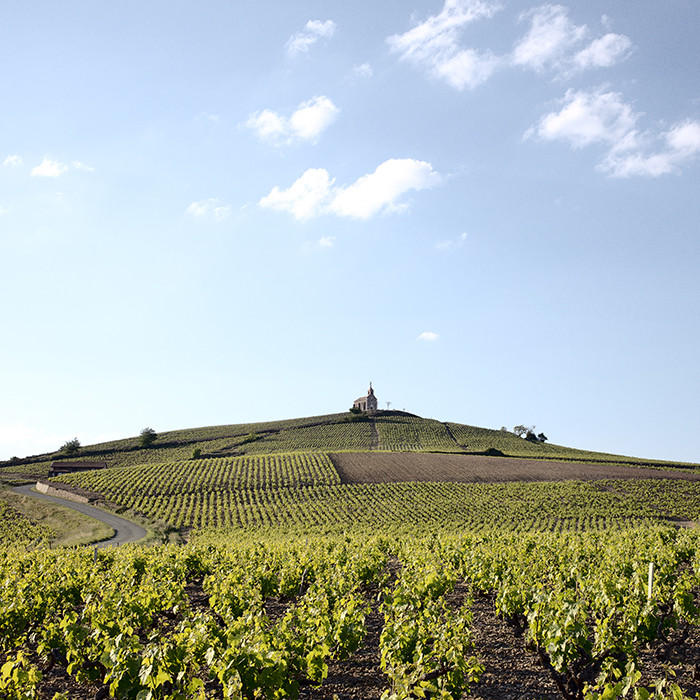
On the slopes of the volcanic Mont Brouilly, this sits within the larger Brouilly, producing wines with vibrant blue/black fruit, spice, minerality and a firm structure – if not as big as Morgon or Moulin-à-Vent.



