


Your guide to Scotch whisky
Written by

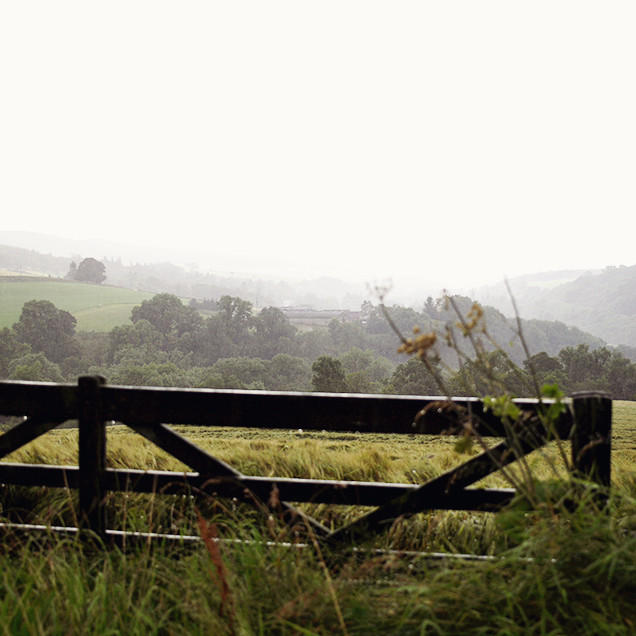
A view across Speyside from The Glenrothes
Styles of Scotch whisky
To be classified as Scotch whisky, a spirit must be made in Scotland from cereal grain, then aged in oak for a minimum of three years.
Scotch falls into four broad categories, depending on how it is made:
Single malt whisky
Made only from malted barley, a single malt is the product of one particular distillery.
Blended malt whisky
A blended malt is – as one might guess – a mix of two or more single malts.
Blended whisky
Blended whiskies are a mixture of grain and single malt whiskies. While sometimes subject to snobbery, a blend can truly be more than the sum of its parts.
Grain whisky
With a long history of being overlooked, the best grain whiskies have their own distinct character, often adding flavour and texture to blends.
Scotch whisky regions
The region in which a spirit is made has a distinct impact on the resulting flavours and aromas. There are five key regions in Scotland that produce whisky, and – while it can be dangerous to generalise – below is a guide to the styles each produces.
Lowland
Today the Lowlands are best known for producing remarkable quantities of grain whisky for blends, although a few select distilleries still make single malts, reminiscent of the region’s glory days. The best are light and grassy in style.
Highland
The Highlands produce a broad range of whisky styles, reflective of its equally dramatic and varied landscape – from peat-edged smoky drams to elegant, floral spirits.
Speyside
This is the heartland of whisky distilling in Scotland, given historical importance thanks to its plentiful, pure water supply from the river Spey. Elegant, fruit-driven spirits with floral and nutty depth reign supreme here.
Campbeltown
With only three working distilleries today, Campbeltown is the least well-known whisky region, but its spirits are truly distinctive – malts which incorporate notes of wet wool, smoke and salt with fruit, vanilla and toffee.
Islay
The small Hebridean island of Islay is famous for its heavily peat-flavoured malt whiskies. Undoubtedly the most easily recognisable Scotch whiskies, they are intense and smoky (think lapsang souchong) with a medicinal core.
Finishing
The process of “finishing” is increasingly being used to impart additional flavours during the final stages of maturation. The whisky is removed from conventional casks and transferred to newer casks that have been specially prepared with a fortified wine such as Sherry, Port or Madeira; or a spirit such as rum, Cognac, (peated) whisky, or even fine wine.



