A change of pace
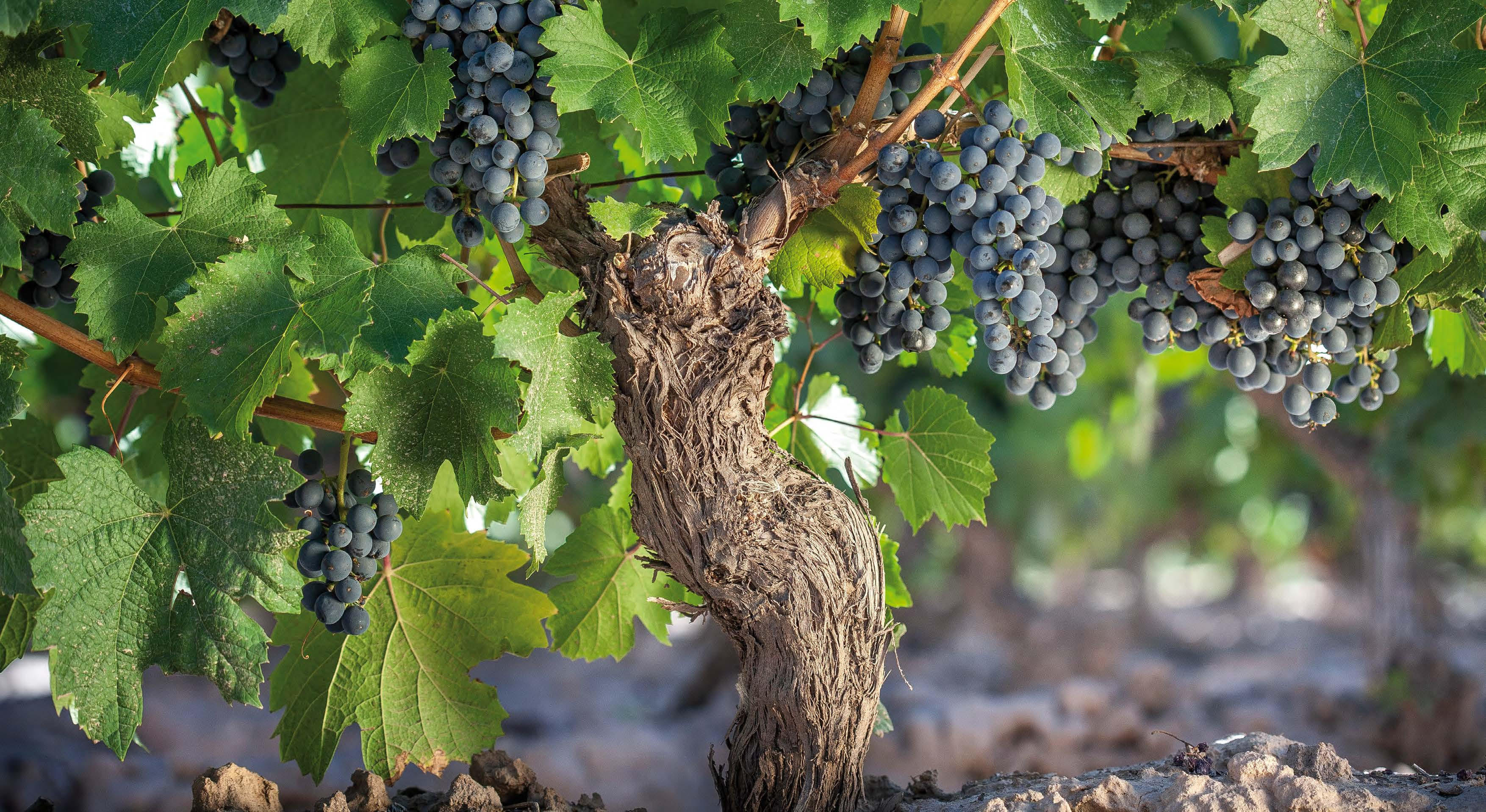
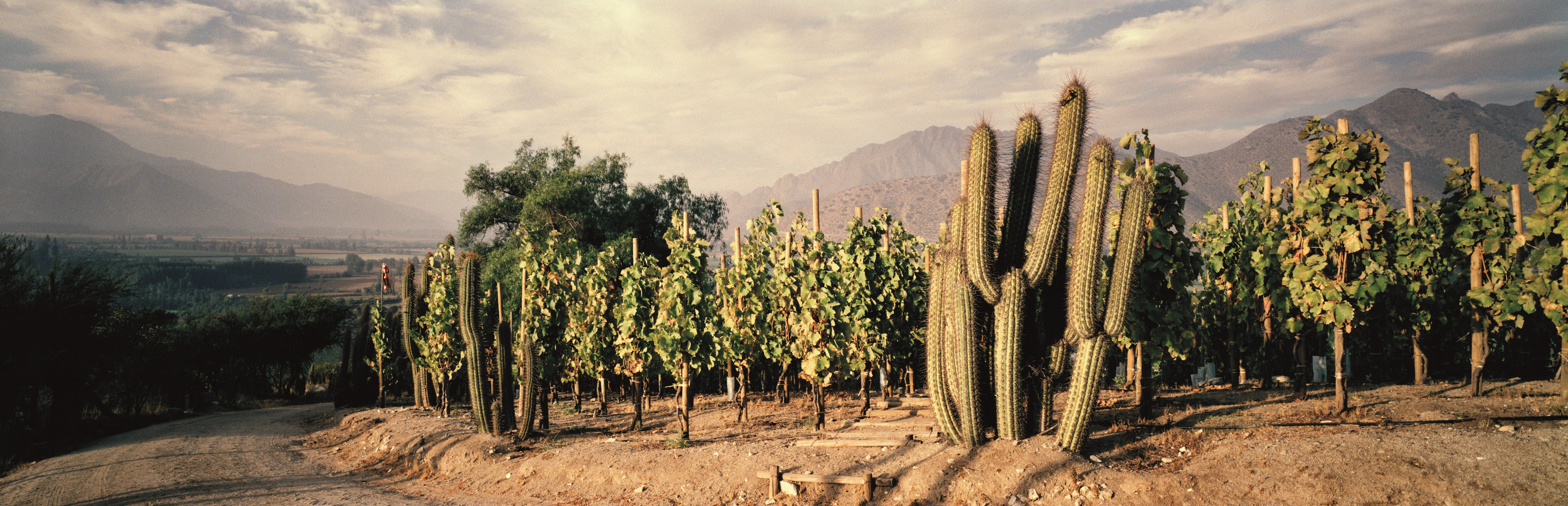
And so, with the 2015 vintage, those 47 hectares became the sole grape source for Cheval des Andes. In tandem came a wholesale reconsidering of the vineyard: replanting where necessary and questioning established practices on pruning and picking.
These developments came at a welcome change of pace from Arnaud’s home patch. “In St Emilion, everything moves slowly,” he laments. “In Argentina, there’s a sense of freedom. If you want to change your harvest date, you can.” So they did.
In the past, harvest at Cheval des Andes took place in early May. Now, it’s in early March or even the end of February; it was 4th-19th March in 2021.
You may be able to move fast in Argentina, but that doesn’t mean you do so recklessly. The decision to pick early needs to be made well before harvest, at the beginning of the season. “To have balanced grapes,” Arnaud says, “you need to tell the vines you’ll be picking early.”
Some people will tell you that there’s little to no vintage variation in Argentina. The vagaries of one year, the logic goes, are not all that different from the next – and the impact on the wine is minimal, in any event. Arnaud is not so sure. It may ring true, he says, for those wines where oak and extraction play the key role. Strip out the heavy winemaking hand, though, and you might be surprised: “Start picking earlier, stop all the new oak, increase the size of the ageing vessels and you leave room for nuance, for a more delicate expression of the vintage effect.”
There is one area in which Cheval des Andes sees very little variation: the size of the crop. Cheval Blanc is a not incomparable 39 hectares of vines, though the yield there can vary widely, Arnaud says: “100,000 bottles one year, 40,000 the next.” At Cheval des Andes, they see a far steadier 90-120,000 bottles each year. Arnaud puts this down to the water supply.
The climate in Mendoza is too dry to viably grow grapes without irrigation, he says. Though not permitted in Bordeaux, irrigation is a fact of viticultural life here. Improvements in irrigation at the estate, including the installation of a reservoir and the sparing, targeted approach of drip irrigation (as opposed to the more one-size-fits-all flood irrigation) have helped enormously. Irrigating only when and specifically where it is necessary to do so has given them steadier yields – and a huge improvement in the ripeness level of the Cabernet Sauvignon.
The Bordeaux influence
There is a clear Bordelais influence here – in the approach and in the final wine. Cheval des Andes was conceived in part by Pierre Lurton, among the most significant figures of his generation in Bordeaux. Today it’s overseen by the uber-talented Pierre-Olivier Clouet and Gérald Gabillet, in partnership with the local team.
If you tasted it blind and thought it was a Bordeaux, you could be forgiven. The tannins are refined, there’s a Cabernet-derived leafy note, there’s plenty of spice – and there’s balance. This is a harmonious wine from the off; tasting Cheval des Andes, even the just-released 2021 vintage, is never hard work.
But there’s more to it. This is not just another Bordeaux blend from Argentina, nor is it purely a Cheval Blanc lookalike. The not-so-secret ingredient here is Malbec. Argentinian Malbec is ubiquitous now on supermarket shelves, but the grape itself is native to the South West of France (Cahors rather than nearby Bordeaux, but close enough). It was a significant presence in Bordeaux until Phylloxera and, later, frosts, all but wiped it out. It remains on the books today as a permitted grape for red Bordeaux, though plantings are minuscule. There is, notably, half a hectare of Malbec now planted at Cheval Blanc; watch this space.
The Malbec at Cheval des Andes hits a bit different, though. Malbec makes up just under half the blend in 2021, alongside 49% Cabernet Sauvignon and 3% Petit Verdot. There’s more to Malbec than the over-ripe fruit bomb for which it is sometimes disparaged, Arnaud believes. He likens it, to my surprise, to Pinot Noir: “Earthy, gently floral, relatively low tannins, and a good balance between alcohol and acidity.”
Put it all together, and there’s something very exciting happening at Cheval des Andes. The 2021 is not overly showy at this early stage, more delicate and reserved. But there is a great deal of complexity when you go looking for it. There is beautifully pure fruit, with nicely defined blackberry coulis and blueberry notes, along with dusty dark chocolate and cocoa-powder character. It’s all a bit tightly coiled for now, but there’s spicy black fruit and tobacco ready to reveal itself. An underlying spicy edge is peeking out, though that fruit stands out above all. Fine tannins and lively acidity indicate a bright future.