

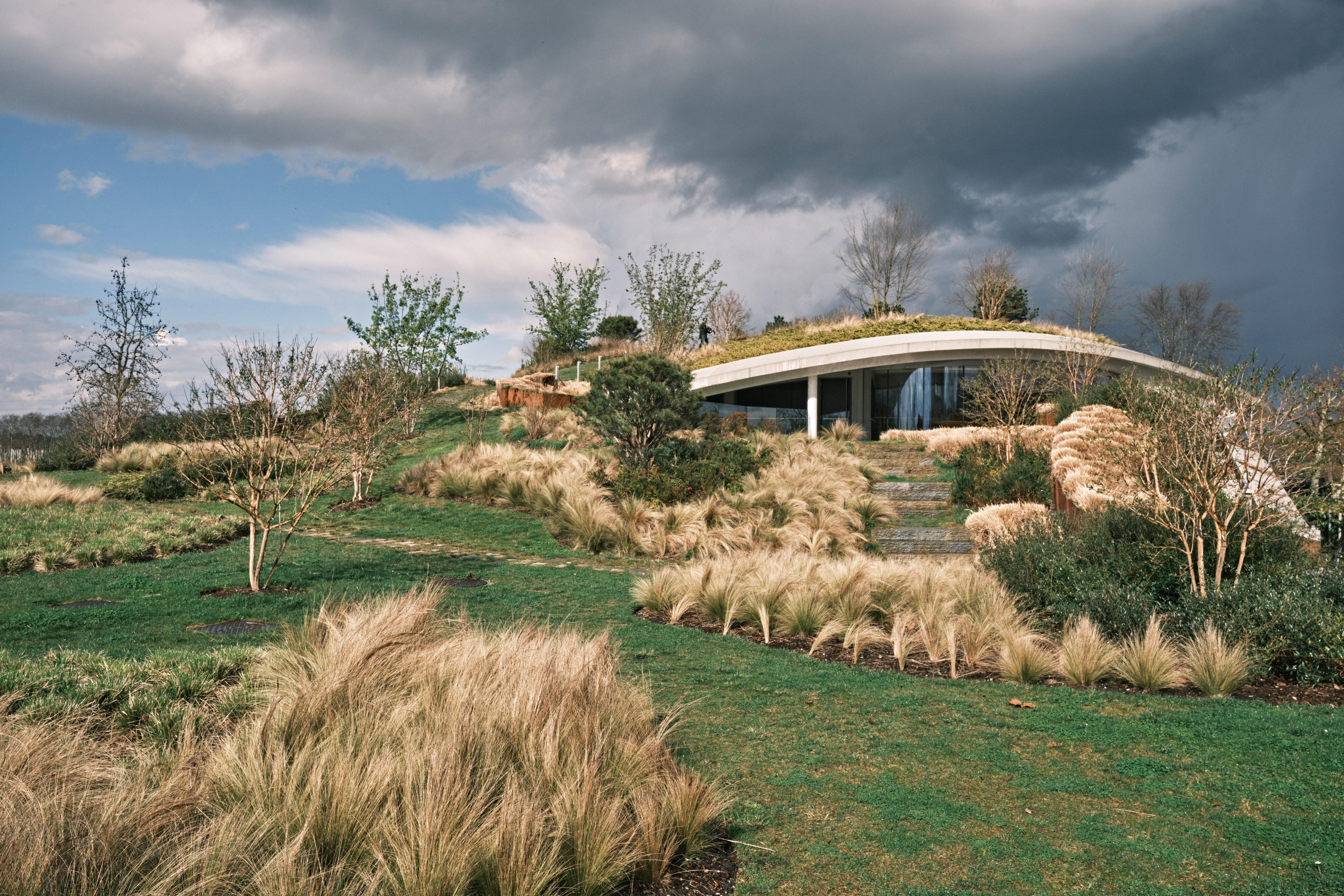
Rediscovering Pessac-Léognan
Written by

Our understanding of Bordeaux often relates to classifications. None is more famous than the 1855 classification, which ranked the best properties of the Médoc and Sauternes – along with one standout (Ch. Haut-Brion) from Graves, the sizeable vineyard area south of Bordeaux city. Almost a century later, in 1953, Graves received its own official classification. Interestingly, all 14 properties included were in the northernmost part of the region.
Later, in 1987, a new appellation was created to cover 10 communes in this part of Graves: Pessac-Léognan. Although Pessac-Léognan is still young on paper, the châteaux here are long established.
An appellation like no other
Something that still fascinates me every time I visit Pessac-Léognan is just how close some of its vineyards are to the bustling city centre of Bordeaux. There is a real contrast between the urban sprawl of the city and the delicate nature of the vineyards, which really make this appellation so different to any other.
This can mean that properties closest to the city centre experience slightly higher temperatures than those further away, especially in hotter years. They are often some of the earliest to harvest, too. On the other hand, this thermal impact from the city means that in parts, the risk of frost is mitigated.
The wider Graves area takes its name from the intensely gravelly soils here. Naturally, much of Pessac-Léognan’s vineyard area lies under gravel, sometimes several metres deep. But there is geological diversity, making Pessac-Léognan a geologist’s dream. Very quickly, you can go from gravel to clay, to black sand near the Landes Forest, to quartz pebbles and limestone.
This is also good for the winemaker: different grape varieties thrive in different soil types. Pessac’s range of soil types means that châteaux here can produce top-quality red and white wines, which is typically not the case in other parts of Bordeaux.
A word on the wines
As with the rest of Bordeaux, Cabernet Sauvignon and Merlot are the two major components in Pessac-Léognan’s red blends. These wines can be intense and deeply concentrated, and with enough structure to age for many years in the cellar. I experienced this first-hand just last week when I had the privilege of opening a bottle of 1964 Ch. Haut-Bailly. It still had remarkable freshness and balance after all those years.
However, it’s the white wines here – made predominantly from Sauvignon Blanc and Sémillon – that are a real point of difference. Sauvignon Blanc provides freshness and aromatics, while Sémillon brings richness to the palate. They make for a winning combination. Dry white Pessac-Léognan can vary from light, crisp and incredibly refreshing; to highly concentrated, beautifully textured wines that can age for decades, gaining a wonderful honeyed, toasted dimension as they do.
At their best, the wines of Pessac-Léognan can rival some of the best in the world, in both colours.
Châteaux to look out for
Currently, there are around 75 producers in Pessac-Léognan. There are a handful that are, in my opinion, truly leading the appellation in a very exciting direction.
Ch. Les Carmes Haut-Brion
A 15-minute drive from the city centre sits Ch. Les Carmes Haut-Brion. In little more than a decade, winemaker Guillaume Pouthier has transformed this property into one of the most innovative and ambitious in all of Bordeaux. Guillaume is not afraid to go against the grain. He uses a high proportion of Cabernet Franc (a rarity in this part of town). He co-ferments different grape varieties. And he includes stems during fermentation to reduce alcohol levels and increase freshness. This philosophy has really separated this estate from the rest of the pack stylistically – and yet this is the wine that more and more people seem to be talking about each year.
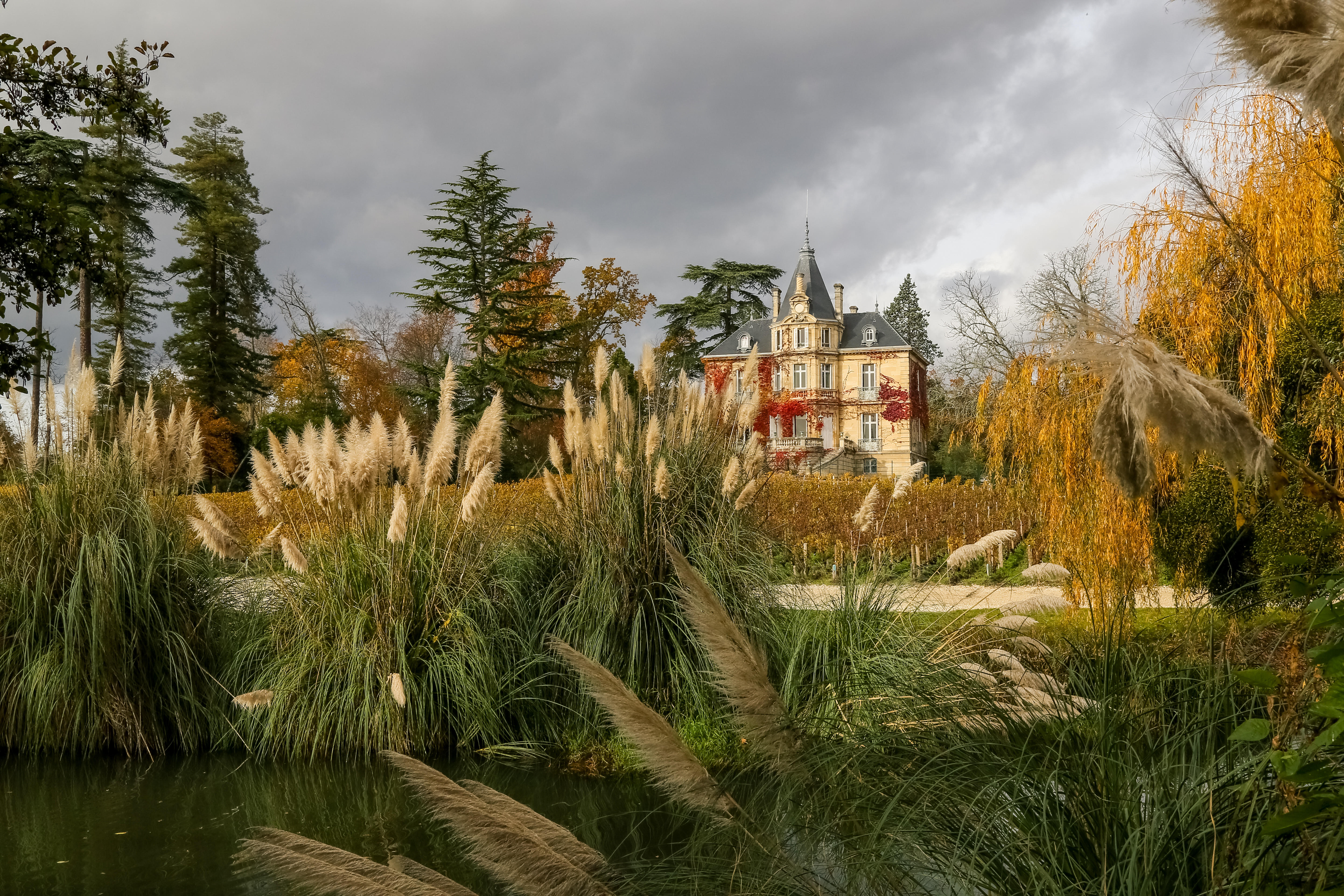
Ch. Les Carmes Haut-Brion. Photo: Phil Labegeurie
Ch. Haut-Brion and Ch. La Mission Haut-Brion
It’s hard to talk about Pessac-Léognan without mentioning the stoic presence of neighbours Ch. Haut-Brion and Ch. La Mission Haut-Brion. Only separated by the Avenue Jean Jaurès, their fierce historic rivalry somewhat lessened when the Dillon family (owners of Haut-Brion since 1935) acquired La Mission in 1983. Both properties produce red and white wines that continue to be a benchmark for the region.
Domaine de Chevalier
Another property particularly deserving of a mention is Domaine de Chevalier. There is an assortment of different soil types here, ranging from gravel to clay and even black sand. The Bernard family produce both red and white wines of outstanding quality. The diversity of soil and relatively high elevation (60 metres above sea level) is not something you can always find in Bordeaux.
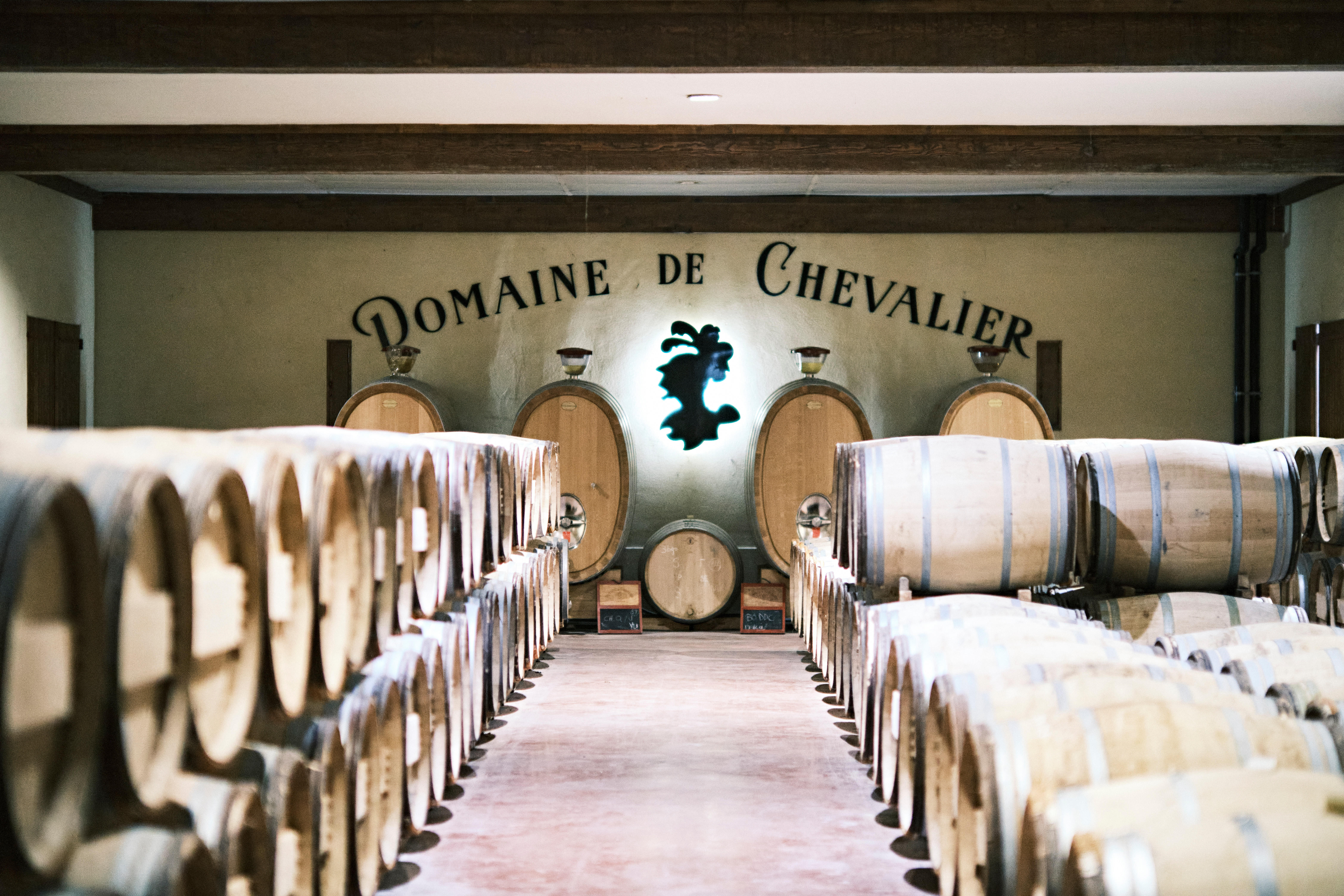
Domaine de Chevalier. Photo: Jason Lowe
Ch. Haut-Bailly
Ch. Haut-Bailly must also be included in the conversation. Under the ownership of the Wilmers family since 1998 and led by CEO Véronique Sanders (the fourth generation of her family to be associated with the property), Haut-Bailly produces some excellent wines. Since 2021, they have been working from their new gravity-fed winery, which fits seamlessly into the idyllic landscape surrounding the property. With this innovation and further precision, the wines here will only get better.
Ch. La Garde
If you’ve not yet tried the wines of Pessac-Léognan, Ch. La Garde is a great first step – and a firm favourite of ours here. The diversity of soils here is impressive: the property has 54 hectares of vines in one single block, boasting no fewer than 27 different soil types. Both the red and white wines offer exceptional value.
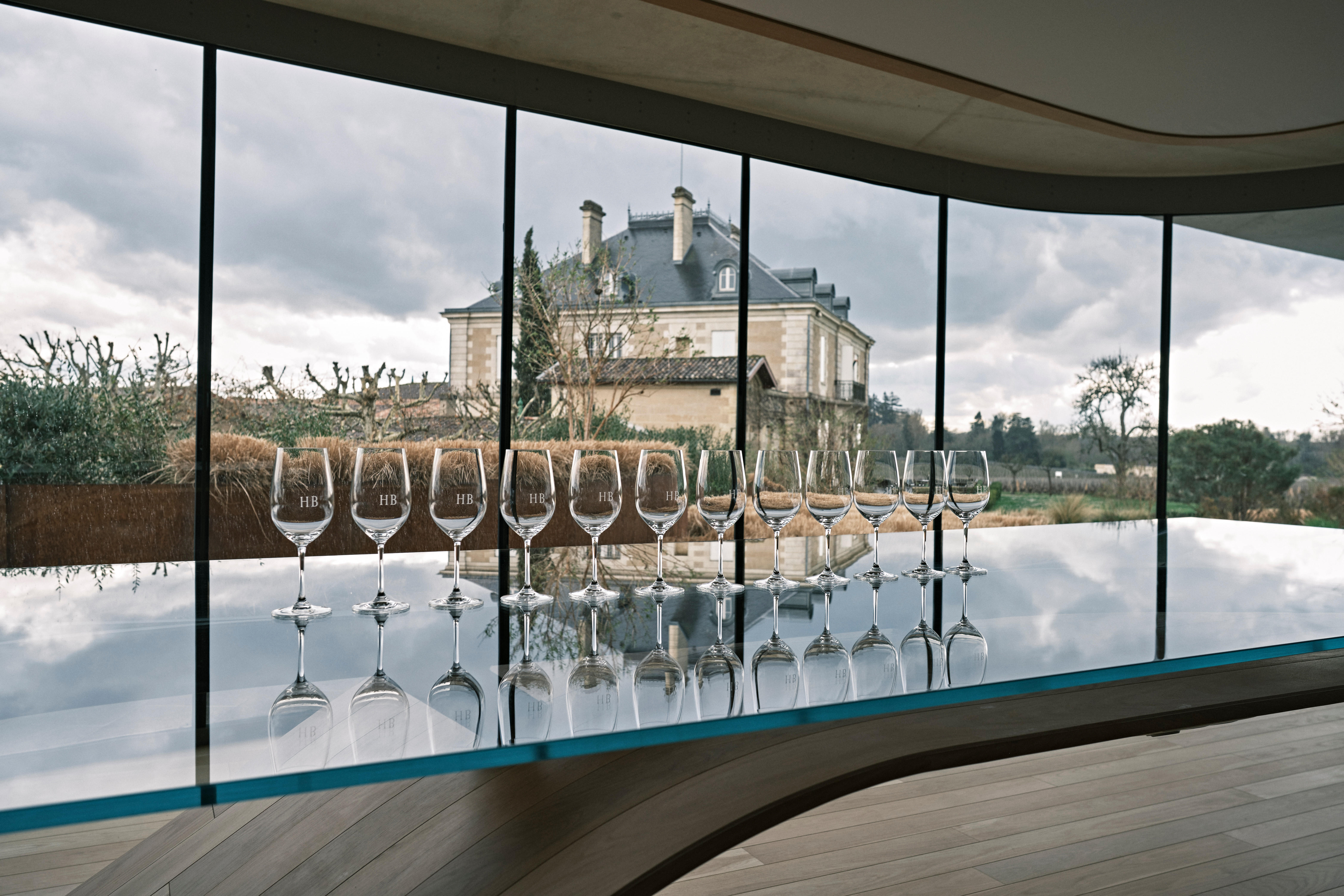
Ch. Haut-Bailly. Photo: Jason Lowe
The best is yet to come
Even though there is a rich history of winemaking in the area, I really think the best is yet to come for Pessac-Léognan. This is one of the least exported of Bordeaux’s major sub-regions; just 20% of its wines are sold outside France, says Jane Anson in Inside Bordeaux. (By contrast: Bordeaux overall exports around 40% of its wines; for Pauillac, it’s as much as 70%.) This means that it’s still underexplored by many people.
There is also value to be had at every price point here. The white wines will remain a benchmark not only in Bordeaux but globally. And the reds will cement their place alongside them, grabbing the world’s attention for the foreseeable future.
There are so many other properties worth seeking out in Pessac-Léognan that I have not been able to feature in this piece, so if you do see a bottle on a wine list or at one of our shops, I’d urge you to grab it and explore this fascinating region.



