

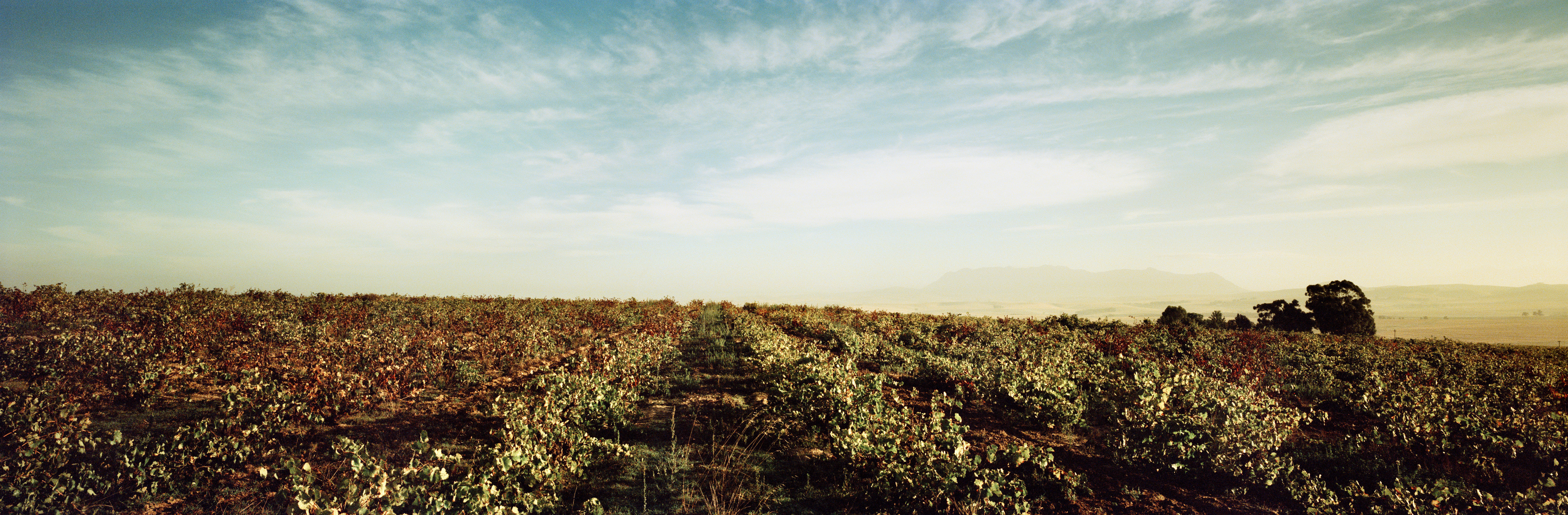
South African wine comes into its own
Written by
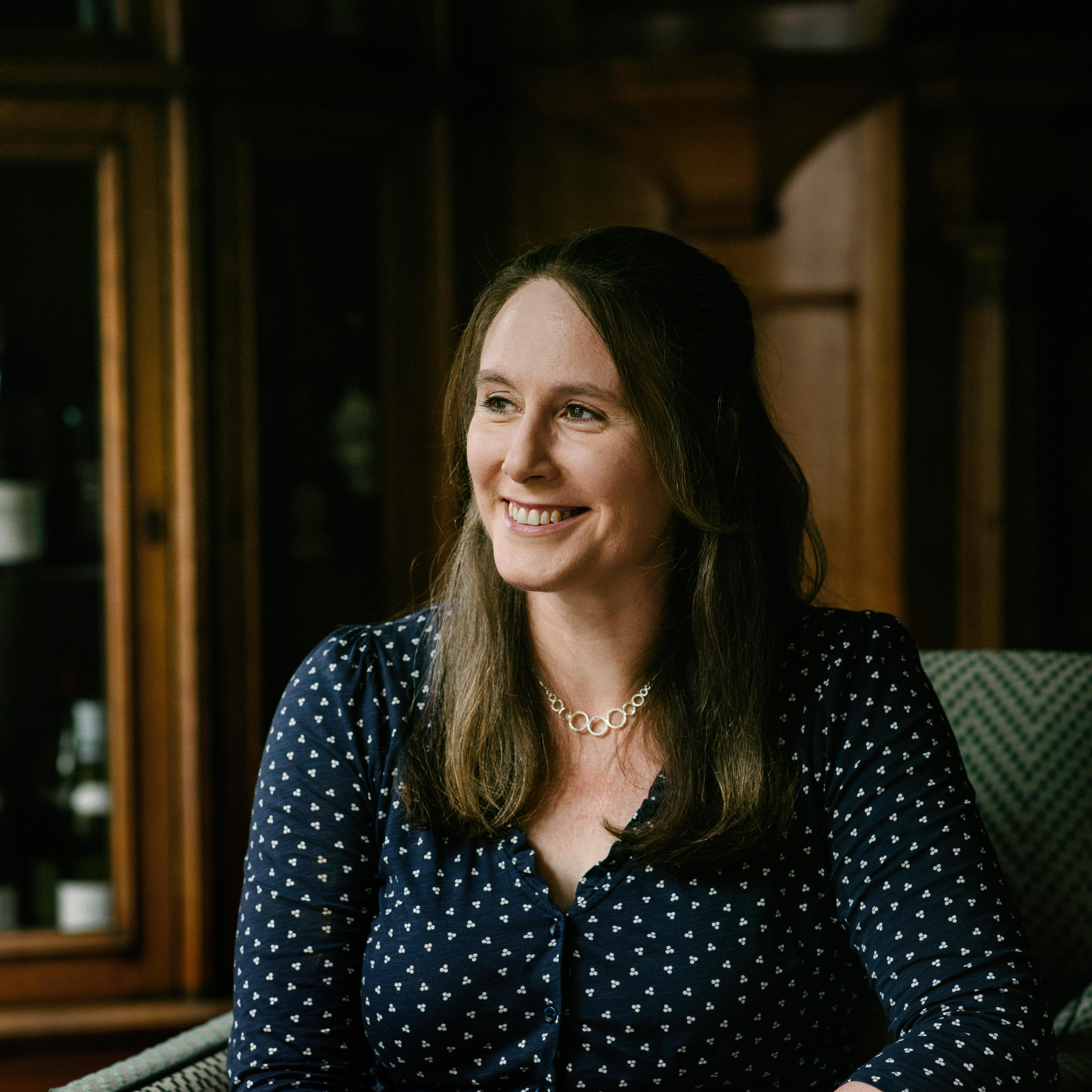
South African wine has come a long way in my working life. When I started out in the wine trade, in the early 2000s, I worked at Oddbins. I remember my manager introducing me to a wine made by “this guy in South Africa who’s making wine like it’s never been made before”. It was Eben Sadie’s Columella, and it was the most incredible wine I’d ever tasted. It opened my eyes to what South Africa could do.
How South African wine found its way
Eben was a leader in what became known as South Africa’s New Wave movement in the late 2000s, which gained particular attention internationally with the inaugural New Wave South Africa Tasting in London in 2015. The movement was typified by a new generation of independent winemakers committed to quality over quantity, with a focus on terroir expression, old vines and sometimes minimal intervention winemaking.
Before that, I’d only tried South African wines from the supermarket, which were typically heavy and overly extracted. The New Wave movement made me realise that the country could also produce these fresh, vibrant, beautiful wines. These producers doing it differently helped everyone in the industry, and others started questioning the wisdom of trying to replicate Bordeaux in Stellenbosch or trying to make Chenin Blanc taste like oaked Chardonnay.
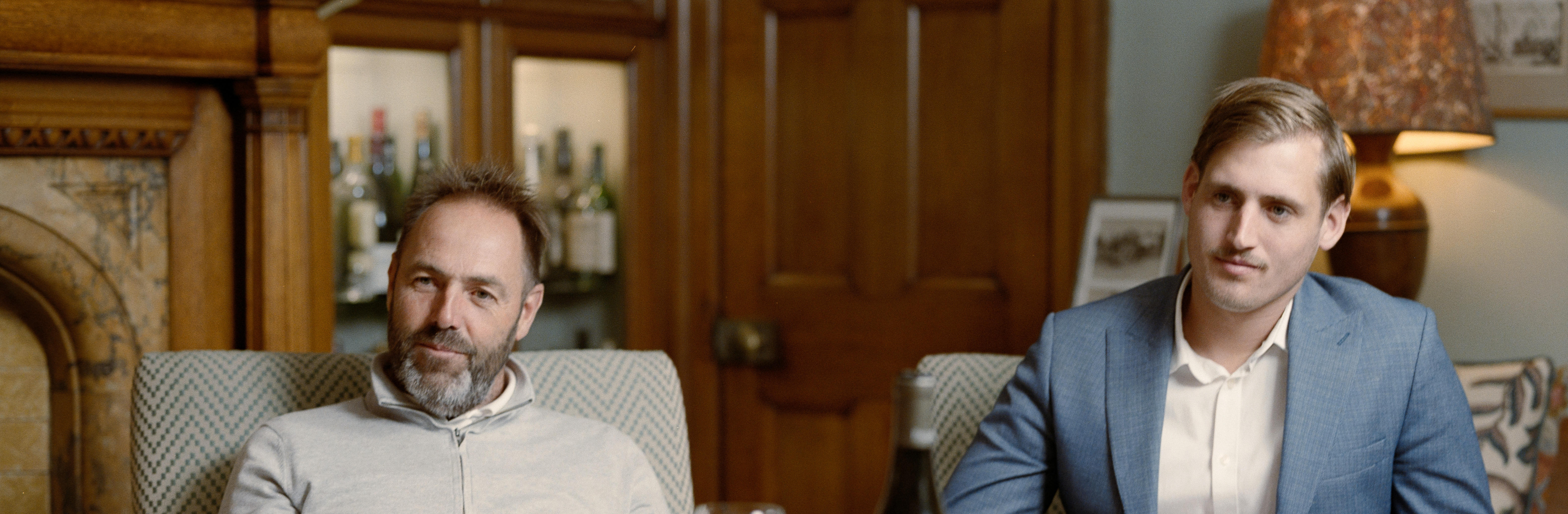
Eben Sadie and his son Markus, two generations at The Sadie Family Wines
Today, on top of all that, there are lots of younger winemakers coming through, like Banele Vakele of Tembela Wines and Markus Sadie at The Sadie Family Wines. The wine scene is constantly evolving.
What South African wine does best
For me, the best South African wines bridge the gap between the elegance and restraint of classic regions like Italy, France and Spain and the more forward fruit character you find in warmer, sunnier regions. The South African producers we work with don’t make wines with overly exuberant fruit or very high alcohol. Their wines have ripeness from all the sunshine, but they are also restrained, fresh and elegant – thanks to the country’s cooling influences and the light touch of the best winemakers. South Africa has all the best aspects of both sides of the wine world.
I must give a shout-out to Chenin Blanc, too. In the past, a lot of South African Chenin, particularly from Stellenbosch, was heavy on the oak and slightly clunky in style, like it was trying to be Chardonnay but not quite making it. The best Chenin today has a stony, peachy purity and freshness, and has rightly become a national speciality.
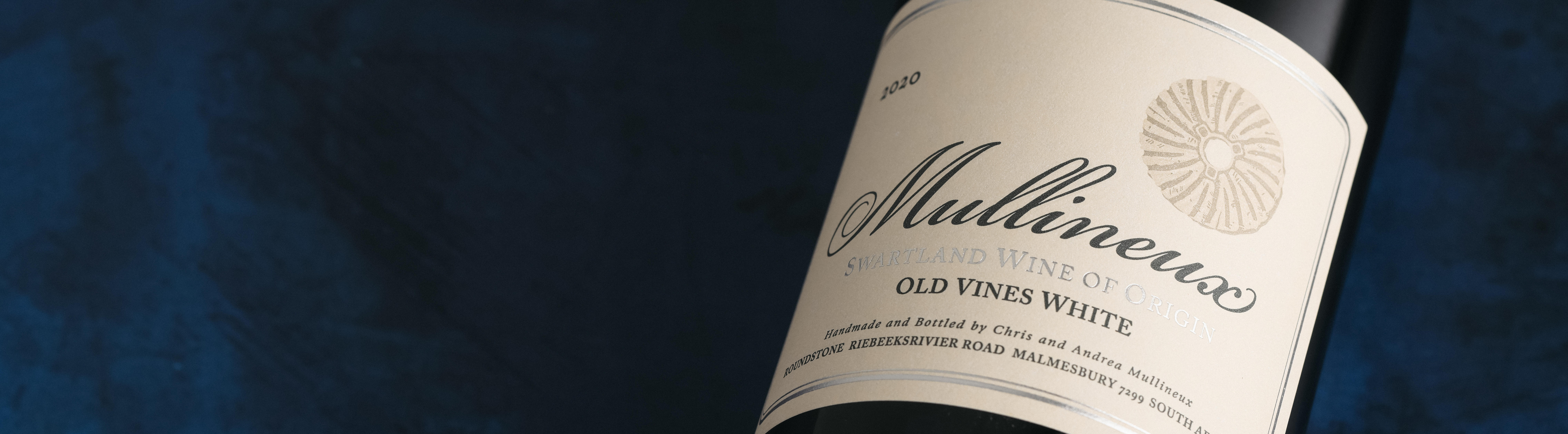
Mullineux makes the Old Vines White cuvée from the Swartland
Notably, South Africa has a wealth of old vines. Some of the country’s great vineyard sites now have vines that are 50-60 years old, and beyond. These mature vines have lower vigour, which means they naturally produce smaller crops of more concentrated fruit. And after so many decades in the same spot, developing deep root systems, these plants are brilliantly adapted to their little patch of soil. Everything is settled and in balance, which comes through in the finished wine.
Why South African wine matters today
Traditionally, many of South Africa’s best wines have come from Stellenbosch and Franschhoek. The best producers here have built up a reputation for red Bordeaux blends as well as for high-quality Chardonnay and Chenin Blanc. The cooler Hemel-en-Aarde has a well-deserved reputation for making world-class expressions of Pinot Noir and Chardonnay.
For me, perhaps the most exciting region these days is the Swartland. Here, you get very pure, mineral-driven styles of Chenin Blanc and beautiful, elegant Syrah. We work with the best producers in the Swartland, and it’s not one size fits all; there are lots of different grape varieties. These producers are leading the charge on the climate-change side, too, trying to plant and grow grapes that may not have traditionally been found in South Africa but that have been shown to suit the Mediterranean climate.
South African wine has come such a long way. No longer considered just a source of good-value – that is, cheap and cheerful – wines, it has earned its place amongst the great fine-wine countries of the world. At its best, South Africa is producing some of the most original, characterful and beautiful wines anywhere in the world, often by small, considerate, forward-thinking producers doing things the right way. The top wines are as sought after and as hard to find as the best of Bordeaux, Burgundy and Barolo. What stands out, though, is how they offer genuine value for money by comparison.
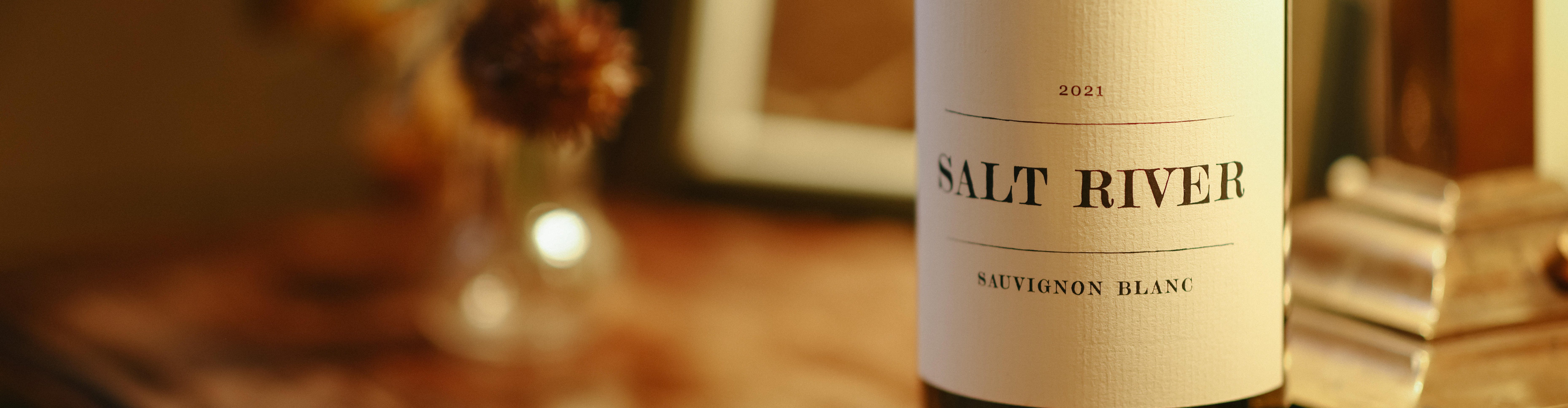
Duncan Savage’s distinctive Salt River Sauvignon Blanc
Producers to watch
The Sadie Family Wines
You can’t talk about South Africa without talking about Eben Sadie. His first vintage of Columella was 2000, but he never sits still. He’s constantly evolving, but in a very measured, organised way. He takes a decade to make changes to his wine, understanding the importance of time to see how things pan out. The hardest thing with The Sadie Family Wines is that they’re very difficult to get a hold of; they’re very rare and highly sought after.
Savage
Another of my favourite producers is Duncan Savage. He has a similar philosophy to Eben Sadie. He makes a whole load of beautiful blends and different wines. He uses Grenache, Syrah, Chenin Blanc, a bit of Semillon and others. His wines have a purity, freshness and energy to them, which is all thanks to how he’s working with the vines, respecting the soil and trying to get as hands-off as possible in the cellar.
Tembela Wines
Banele Vakele was Duncan Savage’s assistant winemaker, and now he makes his own wines: brilliant Chenin Blanc and Syrah, similar in style to Savage. He’s got a great duo of very affordable wines called Rondavel Hills; at that price, they’re unbeatable value. Banele was part of the Cape Winemakers Guild Protégé programme, which is an attempt to improve the diversity of the South African wine industry.
Storm Wines
In the Hemel-en-Aarde Valley, Hannes Storm makes absolutely stunning Pinot Noir and Chardonnay. It’s been great to see the critical acclaim grow for these wines over the past few years – they are now one of the most highly anticipated releases of the year.
Restless River
Craig Wessels also works with Chardonnay and Pinot Noir, though he’s unusual in the Hemel-en-Aarde region because he does a Cabernet Sauvignon blend called Main Road & Dignity; you should try it next to a top Left Bank Bordeaux.



