

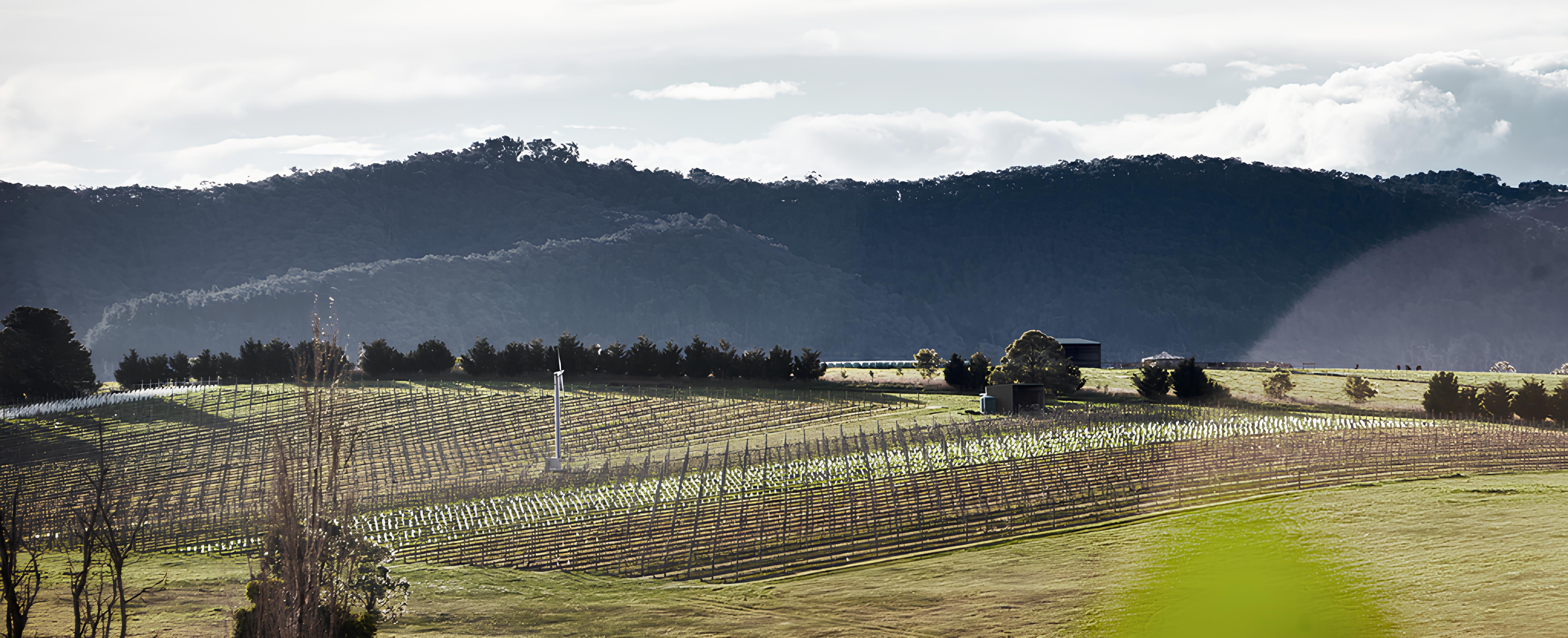
There’s something about Mount Mary
Written by
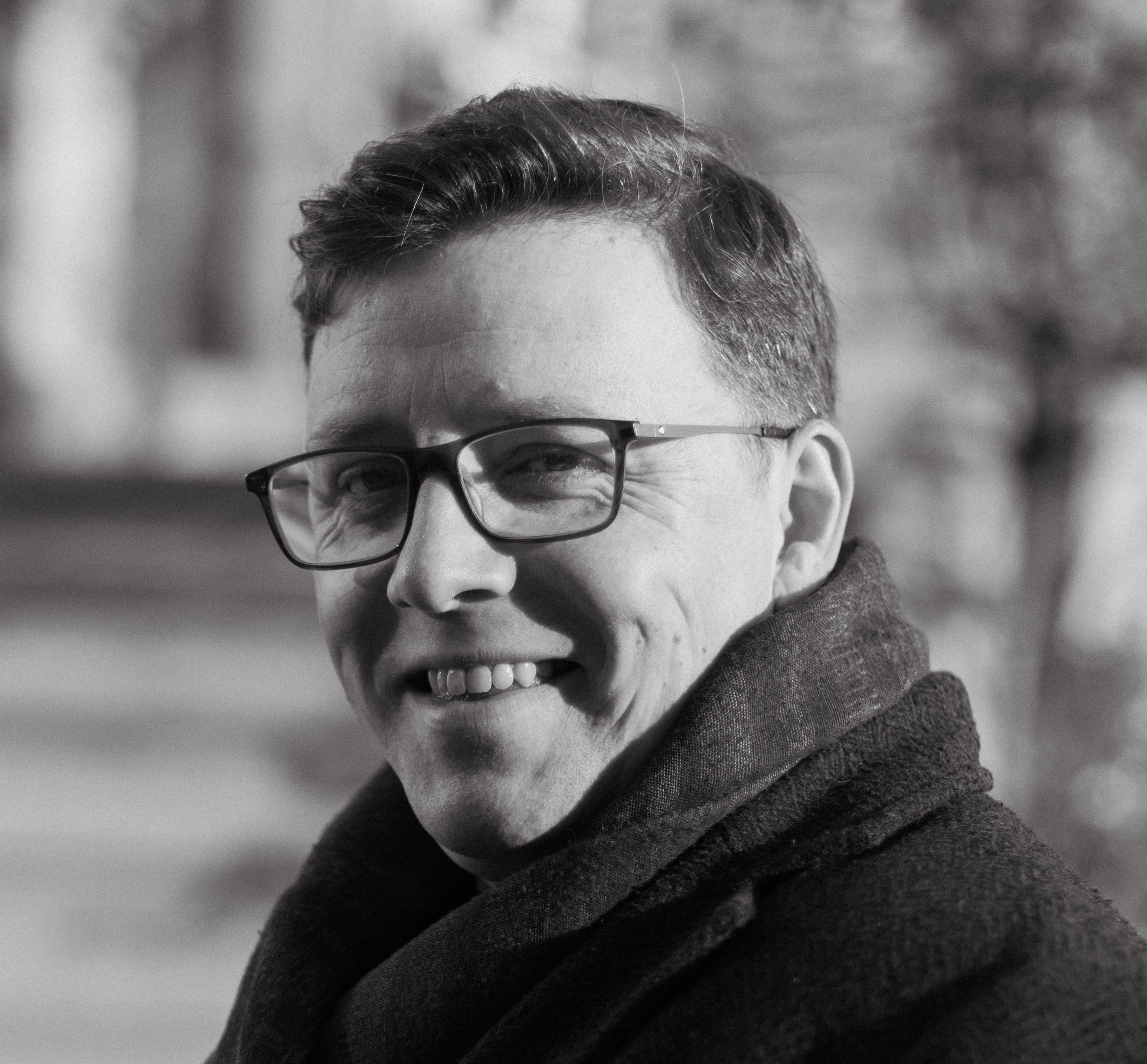
Words like elegance, balance and restraint may not be the first that come to mind when you think about Australian wine. For many collectors, Australian fine wine is inherently about power and fruit and even alcohol. If you were ever in any doubt as to whether Australia can do delicacy, I would implore you to taste one of Sam Middleton’s wines.
Sam is the third-generation winemaker at Mount Mary Vineyard in the Yarra Valley. His grandfather, John Middleton, founded the estate in 1971, transforming a sheep station-turned-dairy farm into one of the most celebrated sites in Australian fine wine.
If you know anything about Mount Mary, there’s a good chance it relates to Bordeaux or Burgundy. Indeed, Mount Mary’s considerable reputation is built around four wines: Quintet and Triolet, red and white Bordeaux blends, respectively; and an estate Pinot Noir and Chardonnay.
The Médoc, Graves and the Côte d’Or have always been important reference points for the Middletons and remain so to this day. Back in the early days, John visited these regions and drew early inspiration from favoured producers like Château Pichon Comtesse and Domaine Georges Roumier. Sam himself took a year out after high school and spent much of it between Bordeaux and Burgundy.
Talking to Sam, though, it quickly becomes clear that these are just reference points. You could consider Mount Mary narrowly as an homage to Bordeaux and Burgundy through the lens of a little farming community in Victoria, but it’s a lot more than that.
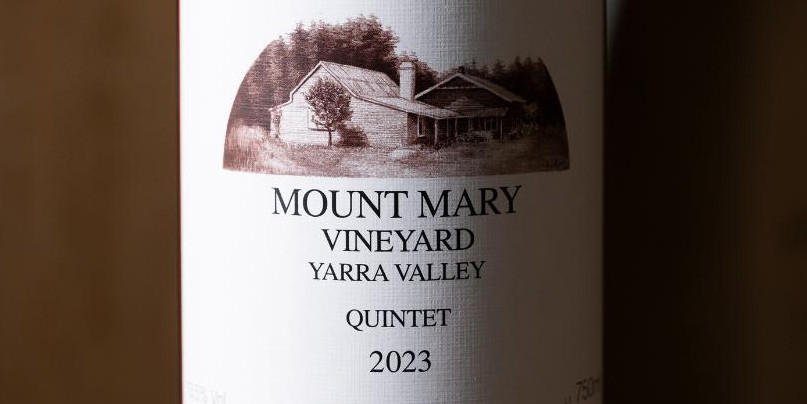
Quintet, Mount Mary’s Bordeaux-inspired red blend
“I don’t like to sell the wines based on ‘This tastes like Burgundy’ or ‘This tastes like Bordeaux’.
“These wines need to taste like Mount Mary, and where they’re from. They can stylistically have similar attributes if you want to call it that, but essentially, we’re making unique wines that reflect the Yarra Valley and reflect Mount Mary; that’s really important. I like to keep abreast of what’s going on in those two regions. Back in the day, my Grandpa took inspiration from those two regions, but I don’t want to sit here and say we’re trying to make Burgundy or Bordeaux in the Yarra Valley.”
“Being the winemaker of Mount Mary is a privilege, not a right.
“My sister and I talk about the balance of being respectful of the past but pushing things forward. When you focus on getting better it takes away a bit of the stress. We’re not prepared to rest on our laurels; we don’t want to sell our wines purely based on past successes. We want the quality of the wines we are currently making to live up to and exceed the past.”
“Picking decisions are the thing I stress over the most.
“I spend a lot of time in the vineyard, tasting berries, looking at tannin ripeness and that sort of thing. If you get your picking decisions right, everything else falls into place. I often think when would my Grandpa have picked certain varieties. I probably pick the whites slightly earlier than he did and the reds slightly later, but it’s marginal. Stylistically I go for reds that are a little bit riper and plusher than the reds my Grandpa liked to drink. With whites, I love flavour and concentration and intensity, but I also really like acid and freshness. I probably err on the side of picking a little earlier than they did in the past.”
“Some of our changes have revolved around the fact that the climate’s changed, no doubt.
“We were making Quintets that were 11.5% in the 1980s. Now they’re 13.5%. That speaks to what’s happening climatically but [also] stylistically what we’re trying to do with these wines. But it doesn’t mean that you still can’t make a subtle, restrained style of wine. I still want our wines to have good concentration, good energy, good fruit profile. To me the great wines of the world are the ones that have a level of concentration and intensity but are light on their feet, have great length. I don’t think that climate change is necessarily going to stop us from making the style of wine that we want.”
“The word ‘sustainability’ has unfortunately been stripped of its meaning a little bit through overuse and greenwashing. Too often it’s just a label rather than real action.
“We’ve had a transition from conventional farming to sustainable, regenerative farming. Hopefully we leave our patch of land in better shape than we found it in for the next generation. My family love on the estate and ideally I don’t want them growing up around chemicals, I don’t want my employees to be working in and around chemicals, if it can be avoided.”
“One of my big focuses is really trying to bridge the gap between the great years and the more challenging years.
“We’ve done that, first and foremost, through the way we manage our vineyard, also through equipment in the winery. Vintage variation is an important thing in wine. Wine lovers love vintage variation. But I guess it’s to a point. I would never for example declassify wine based on vintage variation; I think that’s missing the point of wine.”
“You always think you could’ve done a better job, but by and large I’m pretty happy with the last 15 years, and looking forward to the next 15 and seeing where we can take things and make improvements.
“It was always going to be a hard transition from generation one to generation two and three. One to two was always going to be difficult because my Grandpa was such a big character, and a lot of the reputation of the business had been built around him and his personality. I feel quite proud of the family and how we’ve been able to handle that transition.”
“My Grandpa instilled in me from a very young age that one of the most important things in wine, probably in life, is to stick to your guns.
“Don’t follow fads. Believe in what you’re doing and believe that if you do things to a high enough level, someone’s going to appreciate it. And that’s still a philosophy that runs through our business today. We’re going to do things the way we believe they should be done, and we’ll carry that on.”



