

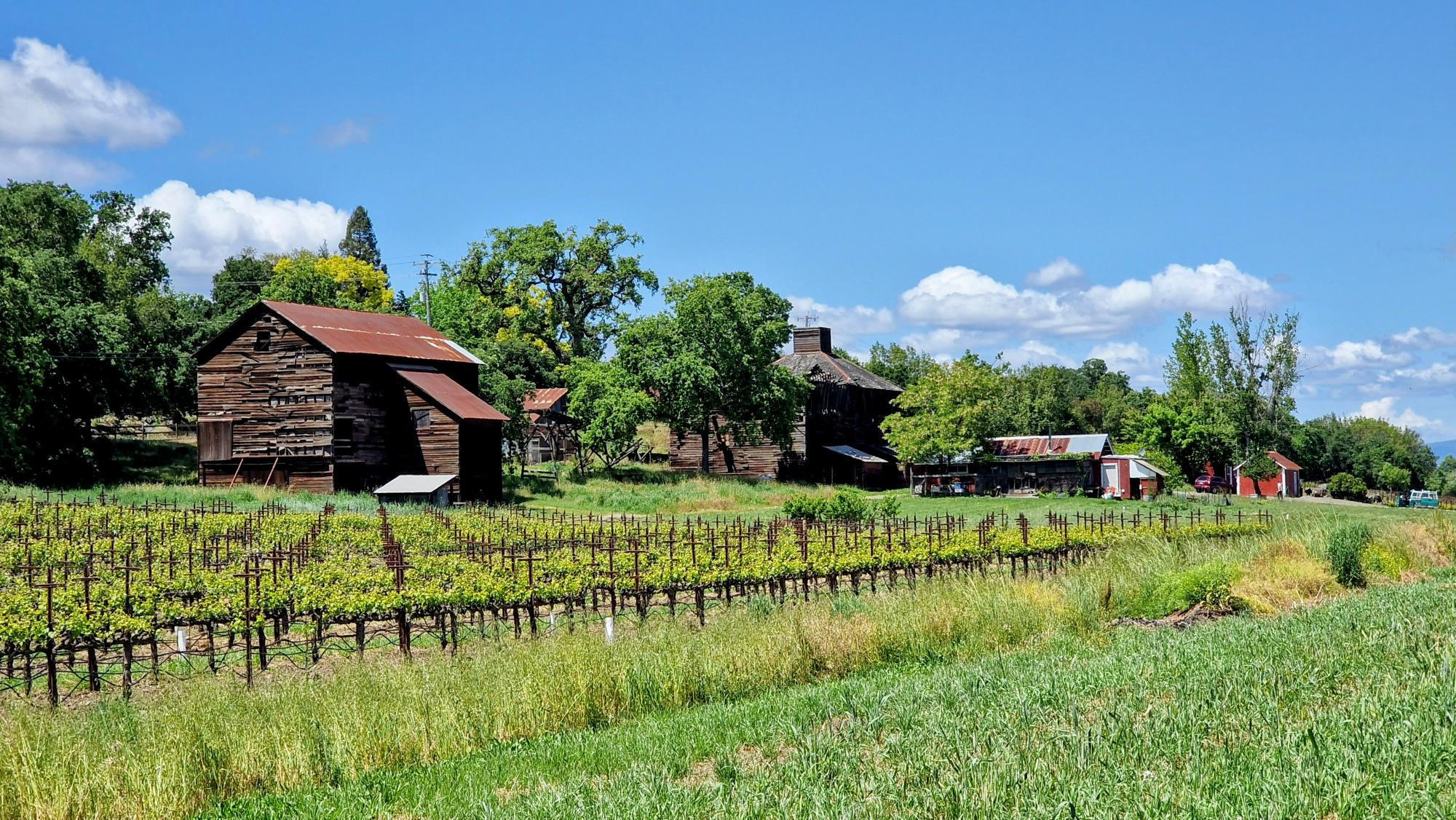
West Coast USA: a new age
Over the past decade, the fine wine industry in the USA has undergone a significant, yet steady, renaissance. It has almost crept up on us, but it represents an important change in wine style and approach that we shouldn’t overlook.
The USA’s West Coast was once known for producing bold, high-alcohol wines. Now, winemakers in California and Oregon are shifting towards a more restrained, elegant style with lower alcohol content. These wines are reminiscent of those produced around the 1970s – finer, yet still with that balance of glowing fruit.
This transformation isn’t just a passing trend. It’s something I’ve personally witnessed during my visits to the regions over the past four years. Drinkers’ tastes now lean towards wines that are more nuanced and food friendly, with greater freshness, acidity and drinkability. I’ve seen how winemakers are adapting to this and the challenges of the changing climate. These winemakers are redefining the identity of the West Coast, attracting a new wave of enthusiasts, and ensuring the region’s sustainability and continued relevance in the global wine market.
Traditionally, the West Coast has been known for producing opulent Cabernet Sauvignon with high alcohol levels, largely due to prolonged ripening under abundant sunshine, as well as to appease certain wine critics and gain their big scores. In recent years, vintners have been harvesting grapes earlier, reducing sugar accumulation and, consequently, alcohol levels in the finished wines. This practice allows for greater freshness and balance. I’ve had fascinating discussions with winemakers who have fully embraced this philosophy. Some have shared their excitement about returning to a more restrained style, allowing the vineyard’s natural characteristics to shine. The enthusiasm is contagious, and it’s clear that they see themselves as stewards of the land, committed to expressing the best of their terroir – rather than a style unrelated to their origins and deliberately overblown for the sake of a few extra critics’ points.
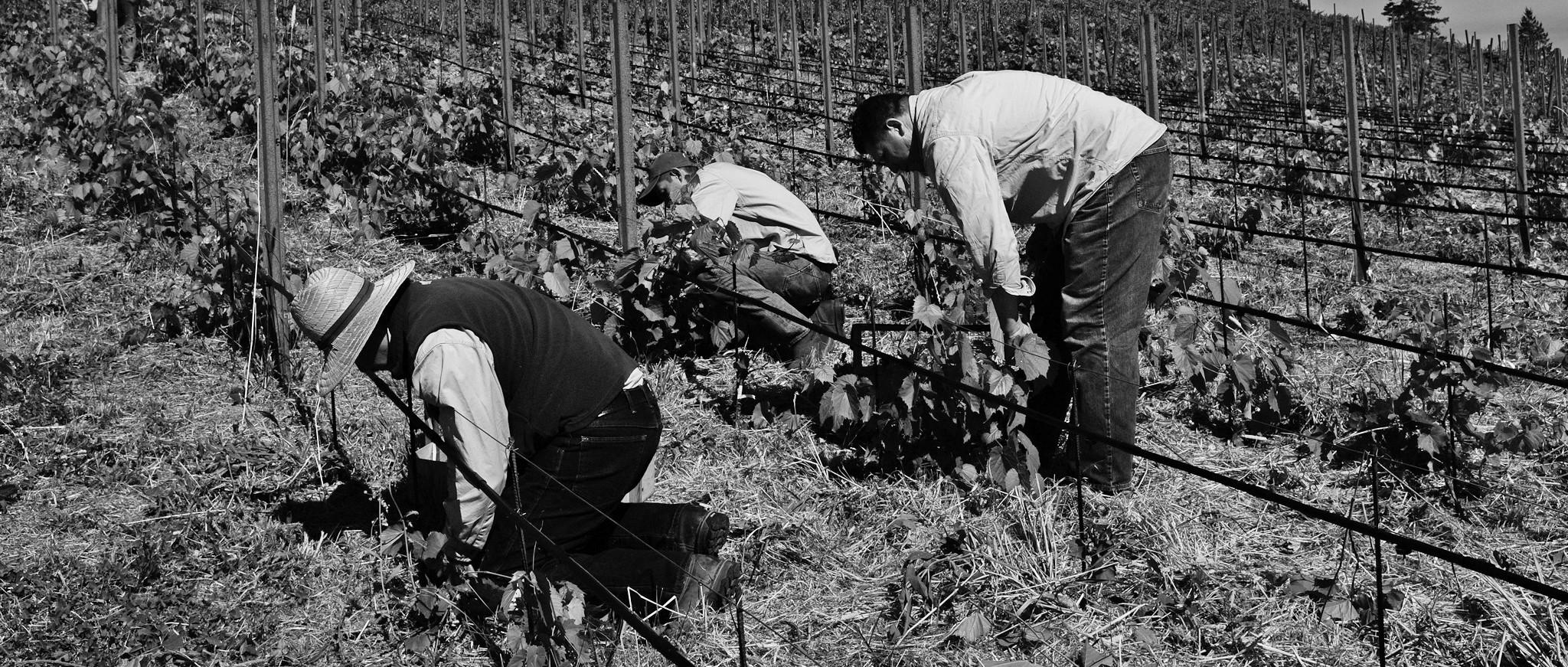
Tending vines at Promontory
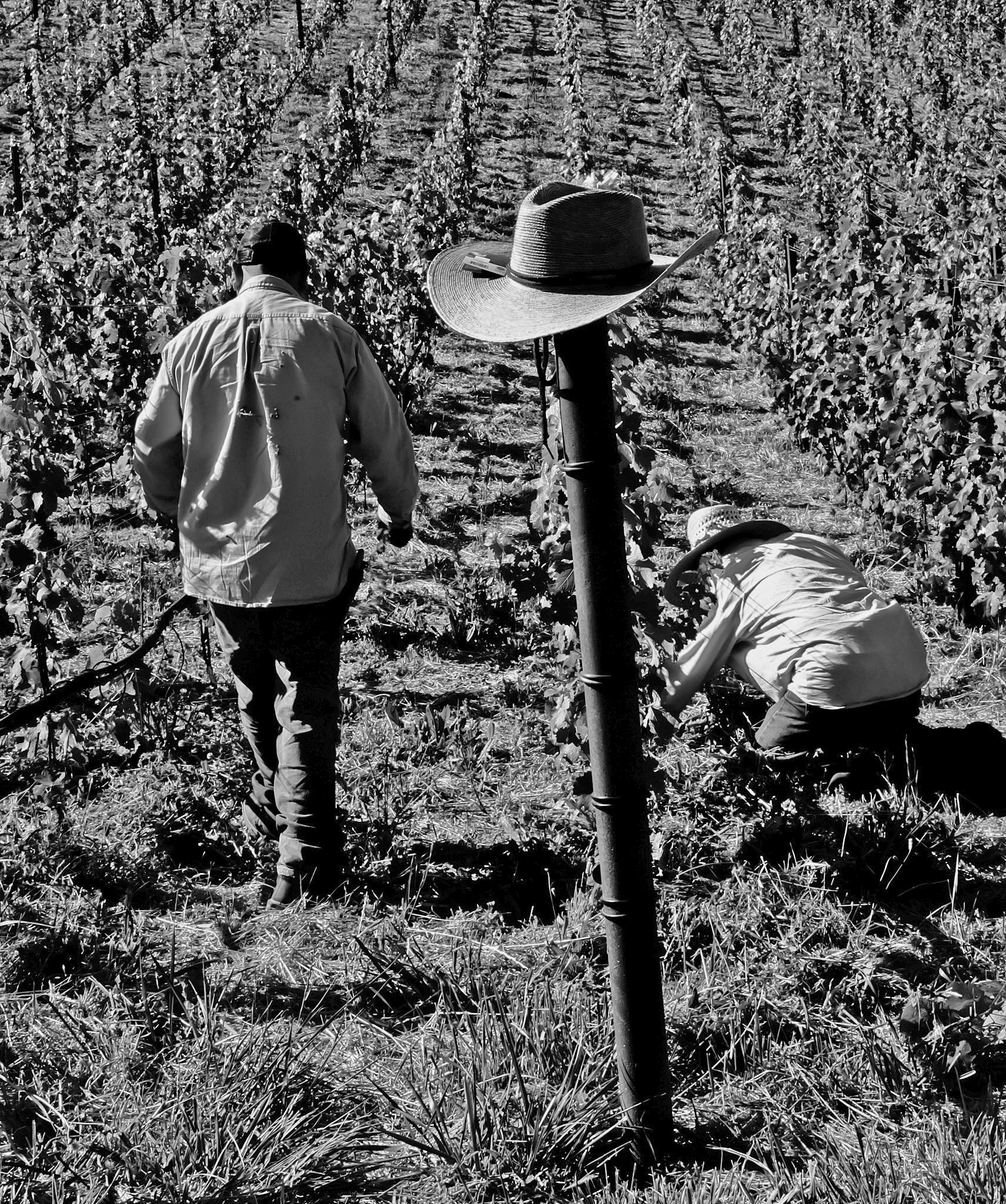
In the vines at Promontory
Climate change is another major factor influencing this shift towards lower-alcohol wines. Rising temperatures have meant earlier harvests and increased sugar concentrations in grapes, resulting in those higher alcohol levels. In response, winemakers are adopting sustainable vineyard practices to mitigate these effects. Many West Coast wineries proudly showcase their organic and biodynamic farming methods. It’s reassuring to see that sustainability isn’t just a buzzword here — it’s an integral part of the West Coast’s evolving identity.
Technology and innovation are also playing a role in this transformation. Winemakers now use advanced vineyard monitoring systems to track the evolution of their vines and vine management. A trailblazer in this sphere is Kia Behnia of NeoTempo. He leads the way in cutting-edge practices combining organic farming, technology-driven precision agriculture, AI and revolutionary, eco-conscious packaging. He is years ahead of his peers but leading them to the light with a fair and helping hand. Plus, his wines are truly amazing.
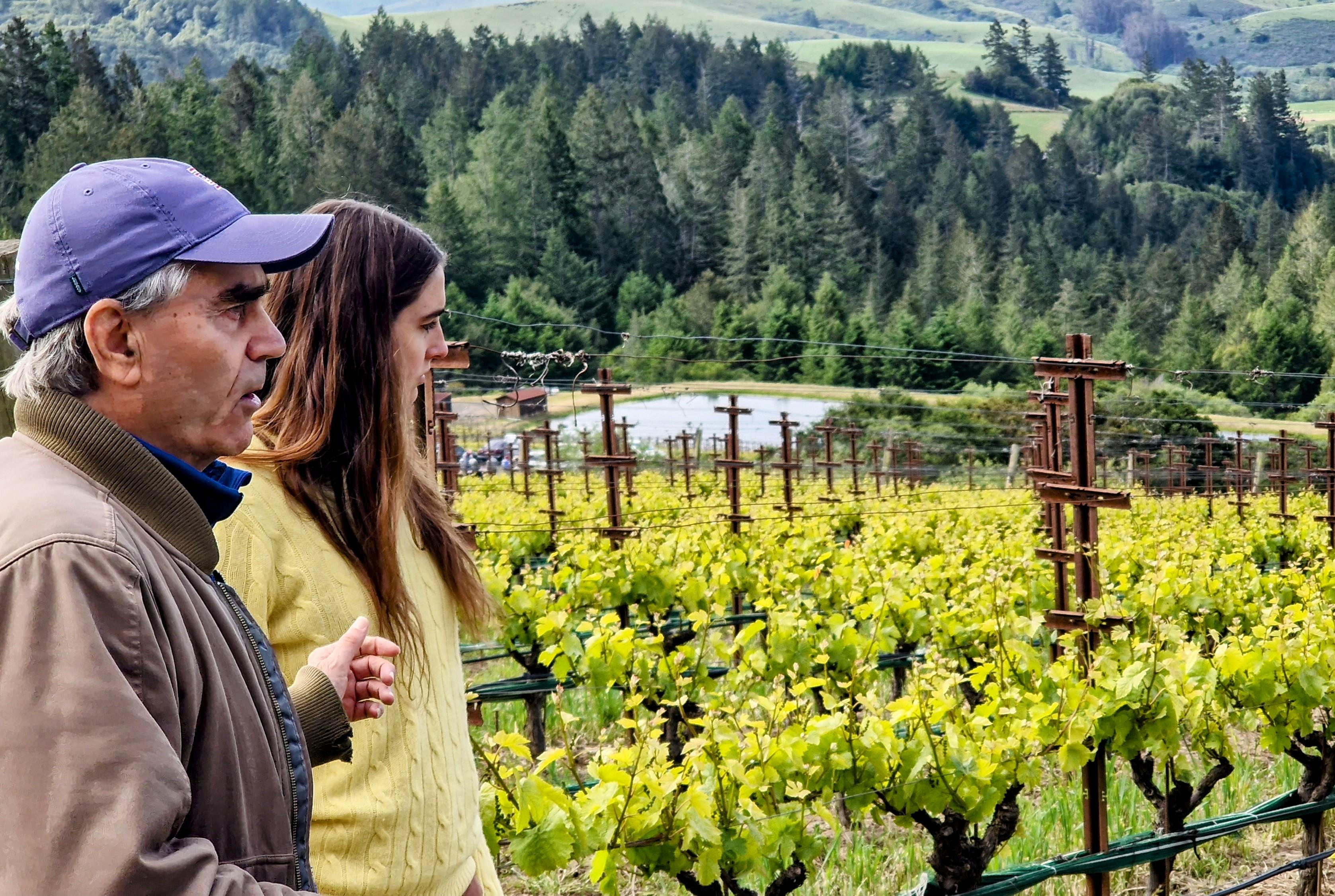
Steve and Catherine Kistler in the vineyards at Occidental
It is wineries like these that we make a point of seeking out – and their wines leave a lasting impression. You’ll find everything, from Occidental’s ethereal beauty to the stalwart strength of Dunn Vineyards and something in between. Winemaking here is evolving in a way that prioritises balance and authenticity, whatever style or terroir it derives from.
I believe this trend is here to stay. While high-alcohol wines will always have their place, there’s an undeniable momentum towards more moderate, authentically terroir-driven styles. As climate change presents ever more challenges, winemakers will need to continue innovating to produce wines that reflect their heritage – while adapting to modern taste preferences and environmental realities.
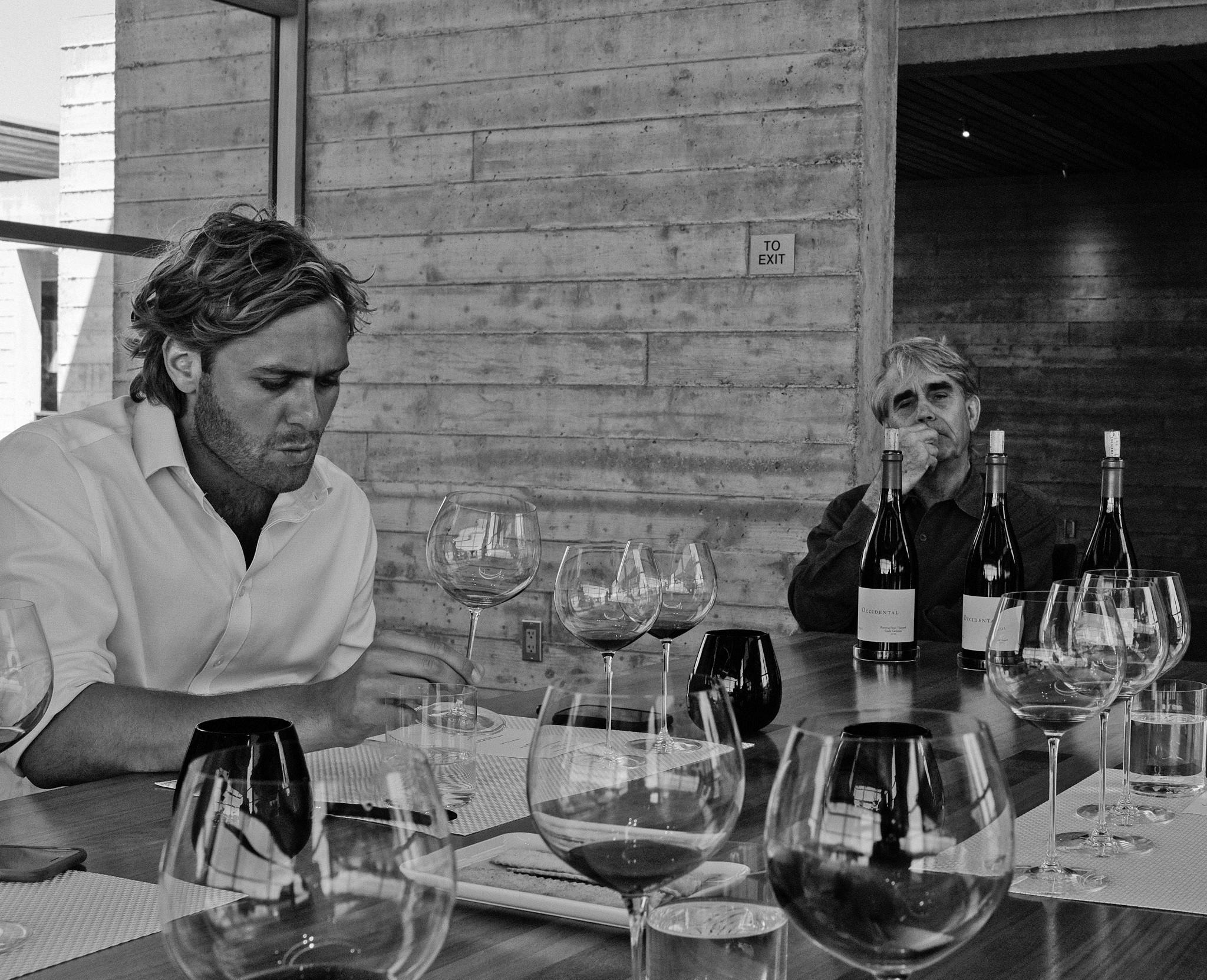
Tasting at Occidental

Tasting at Dunn Vineyards
The past five years have marked a renaissance for the fine wine industry on the West Coast, driven by a collective movement of forward-thinking growers. They are no longer tethered by the demands of critics and scores but by the style of wine they wish to make – harnessing their surroundings. Winemakers are embracing a philosophy of balance, sustainability and expression, reaffirming this as a world-class wine region.

Catriona Felstead MW, USA Buyer and the Au Bon Climat team in the cellars

Siblings Alan and Claire Ramey at Ramey Wine Cellars
As the industry continues to evolve, the emphasis on lower-alcohol wines is likely to shape California and Oregon’s identities, ensuring continued influence and appeal in the global wine landscape. For anyone who loves wine and values authenticity, it’s an exciting time to explore these regions and witness this transformation firsthand. No longer should we compare the USA to its European peers – American wines stand alone in their typicity and style.
The raison d'être of our West Coast offer is exactly this: to raise awareness and understanding of this seismic shift in style and promote wines which rival any from the likes of Europe.
A new age is upon us.
- Photographs by Stuart Rae



