

Where to find value in Bordeaux
Written by

It’s easy to spend a lot of money on Bordeaux. Head to your nearest fine-dining restaurant and you’ll find a list of vintages that slip seamlessly from the hundreds to the thousands of pounds per bottle, and beyond. It’s also easy to find cheap Bordeaux. Recent years have seen reports of French supermarkets selling bottles of red Bordeaux for about €1.
You’ll find an entire world between these two extremes, with around 5,000 châteaux producing two or three new wines each year. It may not be immediately clear where the value-for-money lies in all of that. But if you arm yourself with a couple of tips, you might be surprised with what you can find. After more than a decade of enjoying Bordeaux on a budget, I’m happy to share what I’ve learned. Here is how to find value in Bordeaux.
Your favourite château’s other château
In Bordeaux, it’s common for châteaux to be part of a larger portfolio. This could be anything from one family running a couple of neighbouring estates all the way up to a larger number owned and operated by a multinational corporation. Sometimes the châteaux involved bear more than a passing resemblance to each other.
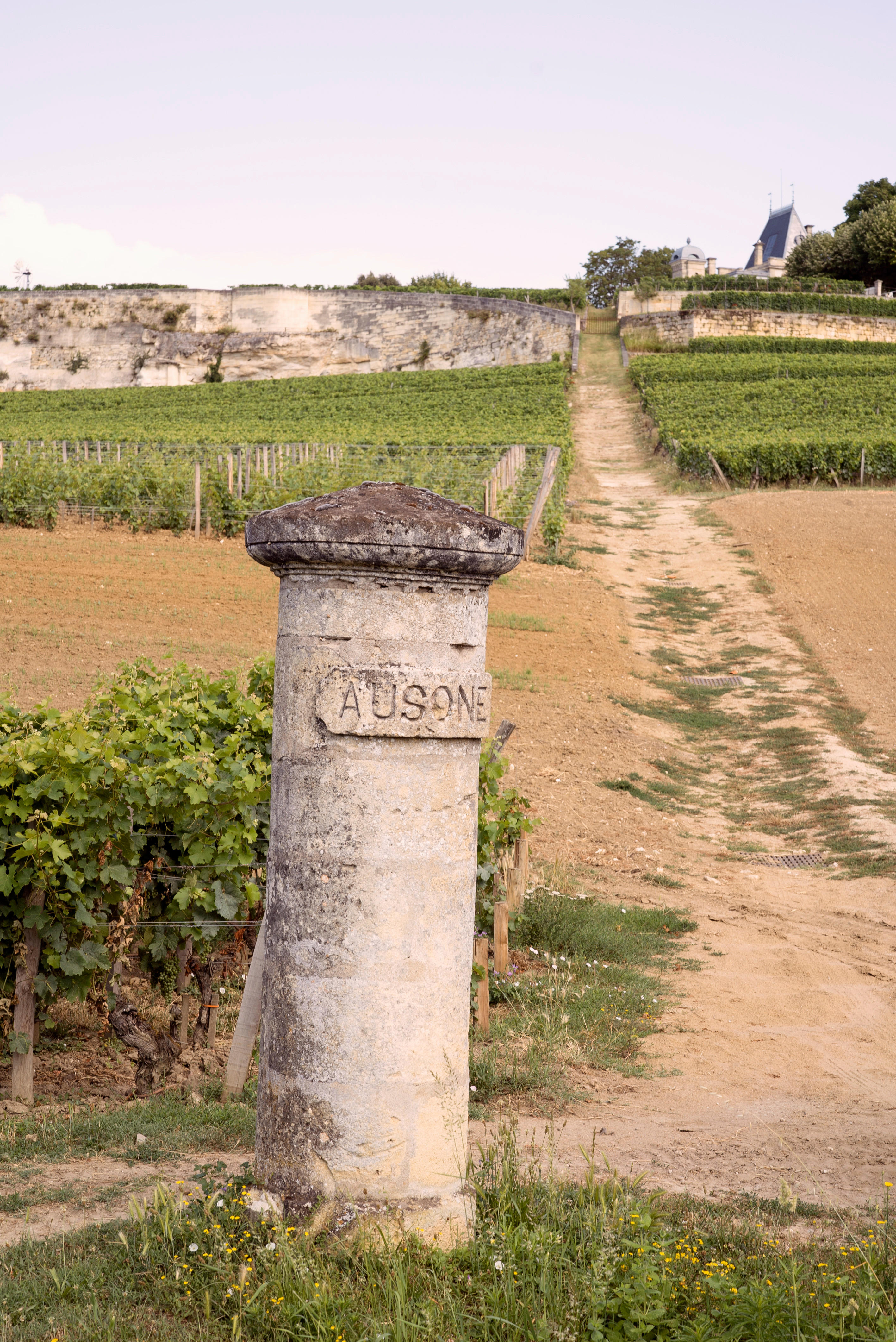
If you enjoy Château Ausone, you can find value in the Vauthier family’s other estates
A great example is Ausone. This is a great wine, one of Bordeaux’s very best. At a recent Berry Bros. & Rudd tasting, we opened a bottle of the 2004 vintage. It has a lot of life in it yet, though I don’t know how many more encounters I’m likely to have with it in my time. Ausone is a special wine, not the sort of thing most of us drink regularly. It’s worth noting, though, that owners the Vauthier family also operate a handful of other local châteaux. Stand near the top of the St Emilion plateau by the Ausone gates, and you can look across to siblings including Moulin Saint-Georges, La Clotte, Fonbel and others.
There are examples of this throughout Bordeaux. In St Estèphe, Calon Ségur is a short distance from its stablemate Capbern; and Montrose is a stone’s throw from Tronquoy. The legendary Le Pin in Pomerol is under the same ownership as the lesser-known L’If in St Emilion and L’Hêtre in Castillon-Côtes de Bordeaux. The Malet Roquefort family of La Gaffelière recently reacquired Puyblanquet. The list is long, and it goes on.
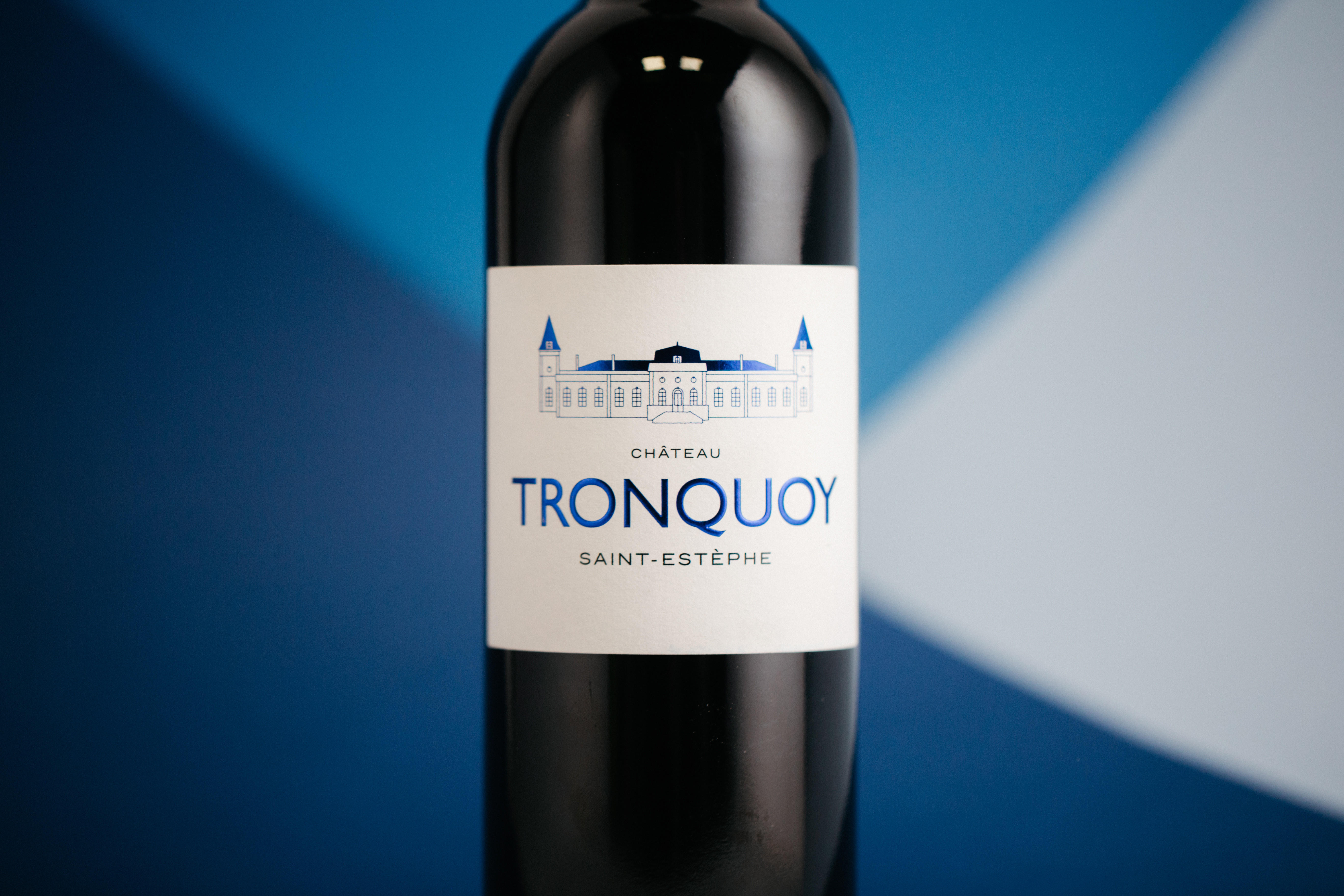
Château Tronquoy, under-the-radar sibling and neighbour of the famous Château Montrose
Crucially, these are not second wines. Take the example of Tronquoy: this is an estate in its own right, separate to Montrose. The wine labelled “Château Tronquoy” is the top wine produced at that estate, from the very best grapes. It has its own character, of course, but the two estates are overseen by the same team.
The care and attention to detail (and, frankly, the financial resources) you’d expect from one is there in the other. If you know and appreciate the style of one producer – the brooding, almost standoffish power of Ausone, for example – you’ll often find shades of it in these sibling estates.
Don’t write off second wines
Most of Bordeaux’s top châteaux make a “second wine”. This is as opposed to their grand vin, sometimes called their “first wine”, which bears the château name. Some second wines are made entirely from grapes that otherwise would’ve gone into the first wine, but for one reason or another haven’t made the grade. Beyond a certain level, this typically says more about the exacting standards of the producer than the quality of the grapes; conscientious châteaux don’t tend to use poor fruit in their second wines. It’s still got their name on it, at the end of the day.
In other cases, second wines come from specific plots of the vineyard, often recently planted young vines and sometimes based on the grape variety. Some châteaux have parcels that are only ever used for their second wine, others take it on a vintage-by-vintage basis.
Second wines aren’t necessarily cheap. Some have become especially sought after, and you’ll pay a premium as a result. This works both ways, though, and there’s inherently more pressure on the most expensive second wines to truly deliver quality – creating something of a virtuous cycle. This can still represent value for money, of course: Le Petit Mouton de Mouton Rothschild, Les Forts de Latour and Carruades de Lafite all command higher prices than many first wines from top estates. But at the same time, they’re considerably keener priced than their big siblings.
Henri Lurton’s Baron de Brane, one of the best-value second wines in Margaux
At the relatively more affordable end of the spectrum, there are some very reliable second wines out there. Look to Lacoste Borie, the second wine of Grand-Puy-Lacoste, for a good example. It’s hard to find a more enjoyable Pauillac at this price. See also Baron de Brane, the second wine from Henri Lurton at Château Brane-Cantenac in Margaux. La Dame de Montrose is worth highlighting; with ever stricter selection for the first wine, this second wine is now produced using much of the fruit that was once used for Château Montrose itself.
Find out more about Bordeaux’s second wines.
Venture off the beaten track
Bordeaux is a big region, but most of its best wines come from small pockets of it. There are vast swathes of perfectly acceptable wine made outside of the big-name communes, though few of them are worth going out of your way to find. But if you know where to look, you’ll find some real bright spots along the region’s backroads.
Left Bank
The four prestigious communes of St Estèphe, Pauillac, St Julien and Margaux are prestigious for a reason. But you can find quite a bit of variation within these villages, notably in the biggest one, Margaux; and the most northerly and coolest, St Estèphe. There are absolutely sensational wines here, but not everything is of the same quality level.
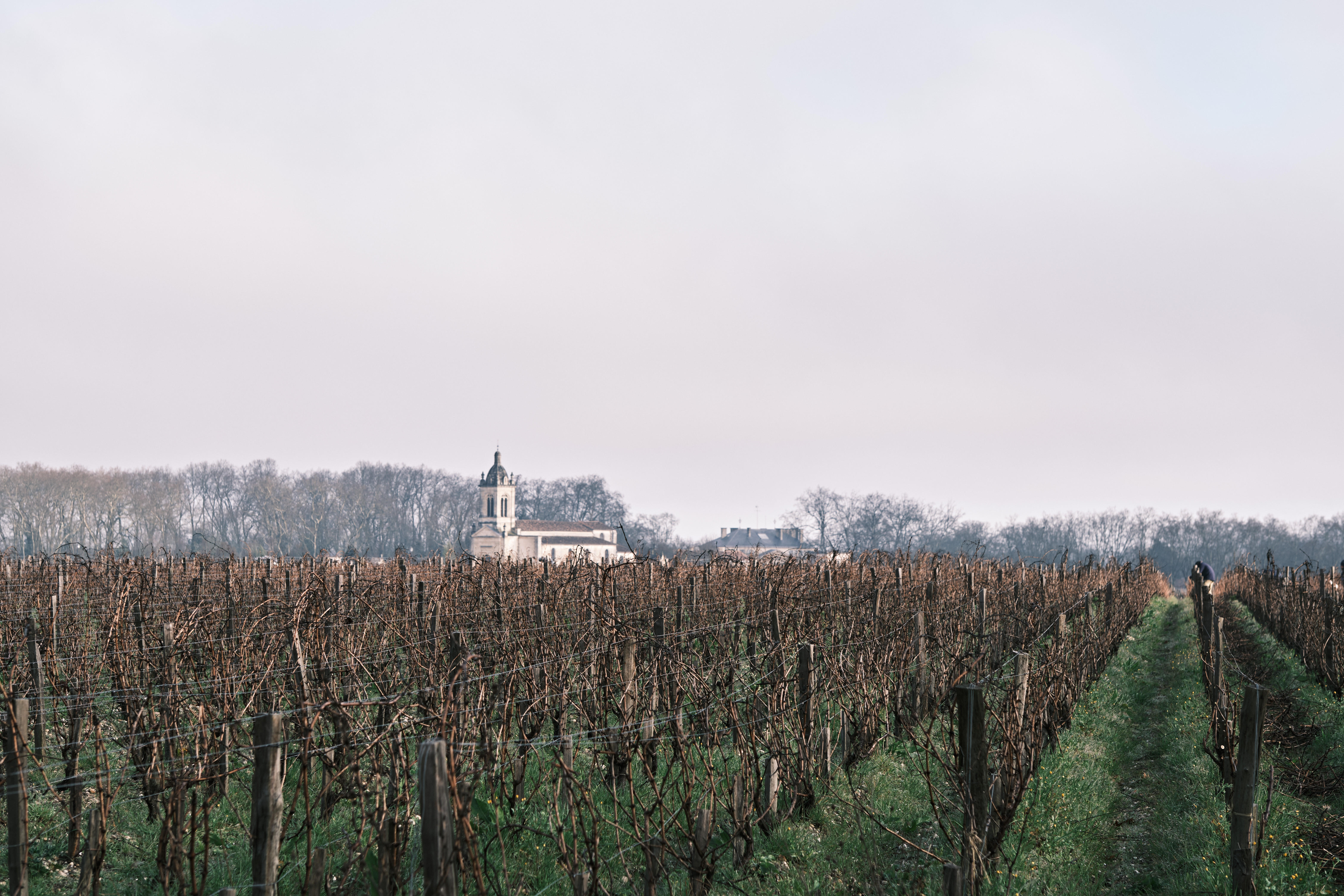
Communes like Margaux are prestigious with good reason, though there’s more to discover further afield
Nonetheless, there is a certain price premium involved – a Margaux is a Margaux, after all, and Margaux doesn’t come cheap. If you’re on the hunt for value, you’d be better off venturing slightly off the beaten track: look for the areas immediately surrounding the prestigious villages and seek out the best possible wine you can find there. A great wine from Moulis-en-Médoc or Listrac-Médoc will cost you less, and give you more enjoyment, than an average or disappointing one from a bigger-name commune.
Note that wines labelled as “Haut-Médoc” tend to be from the parts of the Médoc peninsula that run from the northern reaches of Bordeaux as far as St Estèphe, but that fall outside of the big four (or the smaller two of Listrac and Moulis). Wines labelled as just “Médoc” are from further north than St Estèphe. You can find quality and value in both, though wines from the northern Médoc tend to have more Merlot than Cabernet Sauvignon.
Right Bank
St Emilion is by far the largest of Bordeaux’s quality appellations, and it produces some of the region’s very best wines – as well as plenty of less-interesting stuff. Pomerol is much smaller, and its wines are almost exclusively of at least very good quality. It’s hard to find good St Emilion that’s cheap; and it’s hard to find any Pomerol whatsoever that’s cheap. But there are plenty of places nearby that you can branch out to.
St Emilion has a handful of so-called “satellite” appellations, with the best in the bunch probably being Montagne-St Emilion. Vieux Château St André, owned and run by the Berrouet family (two successive generations of whom have been the winemaker at Petrus) is a standout. I’ve also got a soft spot for Château Teyssier, which straddles both Montagne and Puisseguin-St Emilion. Just across the Pomerol border is Lalande-de-Pomerol, which can give you a very good approximation of its more famous neighbour at a keener price.
Domaine de l’A, the impressive Castillon estate owned and run by winemaking consultant Stéphane Derenoncourt
For my money, though, it’s hard to beat Castillon-Côtes de Bordeaux. St Emilion’s limestone plateau and côtes eventually become the Côte de Castillon, whose pretty limestone slopes overlook the Dordogne and the sleepy village of Castillon-la-Bataille.
For several decades now, well-known producers from elsewhere have been snapping up vineyards here: Joanin Bécot is owned and managed by Julien Barthe and Juliette Bécot of St Emilion’s Beau-Séjour Bécot, for example.
Castillon is also the adopted home of influential winemaking consultant Stéphane Derenoncourt, long-time advisor to a host of top names mostly on the Right Bank. He and his wife Christine founded Domaine de l’A here in 1999. Domaine de l’A is just a very good wine, made from some of the best raw material going by someone uniquely placed to know what to do with it – and it doesn’t cost a lot of money relative to its peers from St Emilion.
“Off” vintages
Among other things, Bordeaux is a well-oiled communication machine. It’s rare that you’ll hear talk of “bad” vintages. There are “great” vintages, certainly – the sort of blockbuster years that come about with some frequency. Recently we’ve had 2022, 2020, 2019, 2018, 2016, 2015… I could go on.
And then there are the others: “classic” vintages, “winemaker’s” vintages, “restaurant” vintages and so on. You shouldn’t be afraid of these years – in fact, you should seek them out if you want to drink some lovely Bordeaux at a good price.
It depends on the producer, of course, but you can find some 2021s and 2017s that are already drinking wonderfully – and won’t cost you an arm and a leg. A little further back and 2014, 2012 and 2011 can offer a lot of pleasure, without the price premium of a more famous year. And while not all vintages have the same ageing potential, don’t hesitate to seek out some of the lesser-seen years with a bit of age on them.
We recently opened a flight of 2006s at an event at No.3 St James’s Street, for example. They offered a wonderful mix of complexity from time in bottle along with a softening of the structure for which many of those wines are known.

In Bordeaux, each vintage is unique; don’t be afraid of the less-celebrated years
A word of warning: when it comes to the less-celebrated vintages, you’d do well to seek out the best producer you can find within your budget. These days, it’s genuinely rare for top châteaux to make bad wines. The more challenging growing seasons of recent years have been marked by things like excessive rain and mildew.
For well-financed estates, combatting this threat is just a question of resourcing. For those estates without the financial means, sacrifices do have to be made, and that can impact quality. So proceed with caution. We’ve got an extensive library of advice and articles about Bordeaux on our website; a little bit of research can go a long way.



