Getting to know Sauvignon Blanc
Written by
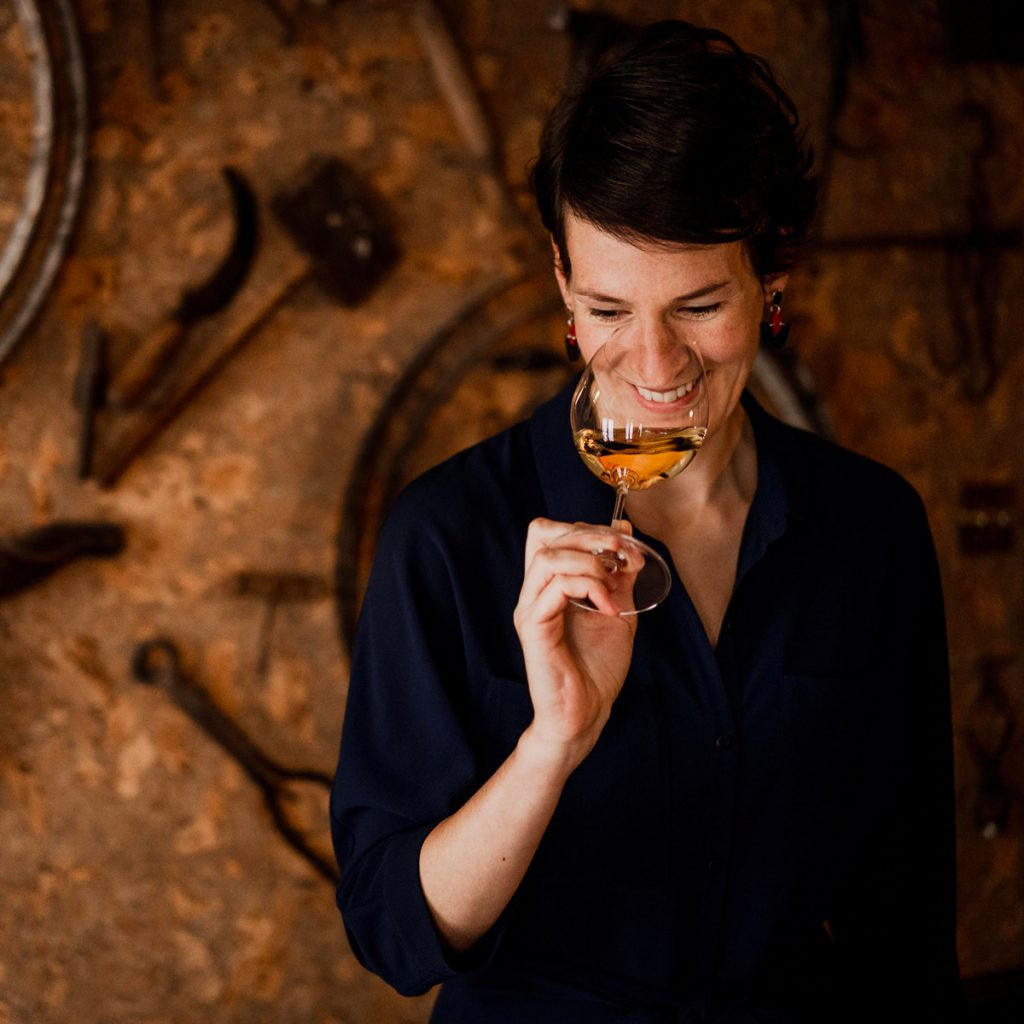
Gooseberry. Tomato leaf. Box tree (?!). Cat’s pee. Some of the descriptors for how Sauvignon Blanc tastes are thoroughly unappealing. And there are certainly plenty of them. That’s because Sauvignon Blanc is a so-called “aromatic” grape variety. It lets its presence be known. If you bring your nose close to a glass of Sauvignon Blanc, you’ll instantly know there’s something interesting there. For the most distinctive wines you’ll even know exactly what they are and where they come from. And, for most, you’ll decide you either love it or hate it.
But Sauvignon Blanc can be surprisingly varied in its presentations. There’s bold, tropical fruit and zingy acidity for those who want it. Or slightly softer, subtler aromas, with a hint of stoniness. And for those looking for something really complex and a little different, Sauvignon Blanc can do that too.
Classic and tropical
It may seem strange to start in New Zealand for a classic iteration of a wine, but this is where Sauvignon Blanc really made its name. In the early 1970s, a distinctive style of this white wine started appearing in Marlborough, on the South Island of New Zealand. The warm but windy climate and rich soils of the Wairau river valley produced a pungent (some might say aggressively so) wine with characteristic tomato leaf, guava and passionfruit notes. The most fêted producer of this style is Cloudy Bay, but many other wineries are making similar, and delicious styles, notably Dog Point, set up by two Cloudy Bay alumni.
If you like the extravagantly aromatic style of New Zealand but prefer a slightly more herbaceous note to your wines, and even more striking acidity, Chile makes some excellent examples.
Softer and stonier
For something slightly less tropical or herbal, head to the heart of France, the Loire Valley. Here Sancerre and Pouilly-Fumé sit on opposing sides of the river, producing fresh, mouthwatering styles of Sauvignon Blanc. In years past these often had distinctive gooseberry and even asparagus notes, alongside a stony, flinty note. As summers have got warmer, these wines have a touch more fleshiness to them, often humming with nectarine flavours alongside the more traditional green fruits. Our Own Selection Sancerre by David Sautereau is a perfect example of this style.
There are a few producers here who’ve been making an extremely ripe, and somewhat esoteric style of Sancerre for years, with François Cotat’s complex and lusciously layered (but determinedly dry) examples rightly sought after by collectors around the globe. Any of these styles pair beautifully with the local soft, fresh goats’ cheese; these are also a beautiful match for smoked salmon dishes.
Something a little different
Sauvignon Blanc is traditionally not aged in oak. Its pungent tropical and herbal notes prefer not to be constrained by a toasty, vanilla flavour. That said, a few producers have experimented with some gentle, additional complexity in these wines. Cloudy Bay’s Te Koko is fermented with wild yeast (on the grape skins and hanging around, opportunistically, in the winery) and left on its lees, before ageing in oak barrels. The resulting wine is richer in texture than most Marlborough Sauvignon Blancs, its tropical notes tempered by subtle, pastry complexity.
Meanwhile some producers add a little extra texture and beeswax flavour to their Sauvignon Blanc by adding in a touch of Sémillon. Just 2% additional Sémillon adds a whole extra dimension to Constantia Glen’s Sauvignon Blanc. Taken to its extreme, this blending, combined with ageing in oak, can produce some of the most exquisitely ageworthy dry white wines in the world in Bordeaux. Domaine de Chevalier produces a truly magnificent example, one which can age for 15 years at least.
The pièce de resistance, (at least if you have a sweet tooth) though is the great wines of Sauternes. These sweet wines are usually a blend of Sémillon and Sauvignon Blanc, the latter adding bright acidity and rich, tropical fruit notes. As with the very best dry white wines of Bordeaux, top Sauternes wines can age for many years – sometimes decades – and whilst they pair magnificently with blue cheese and fruit desserts they are also delightful savoured all on their own, straight from the fridge.