

Rum: everything you need to know
Written by
Rum is at long last on the rise, but – to the uninitiated – the world of rum can be as confusing as, well, single malt whiskies. It is, of course, equally rewarding. It also has the distinction of being the most sought-after base spirit for thousands of cocktails, as well as a popular pre or post dinner dram.
The world of rum is remarkably varied. This exotic spirit’s raw ingredient is sugar cane or molasses – rather than grain (as for whisky) or grapes (as for Cognac and Armagnac). Produced in the tropics, in the heat of the Caribbean, Central and South America, these culturally diverse regions create similarly wide-ranging styles of rum. You may also see rums labelled as rhum (French) or ron (Spanish).
How is rum made?
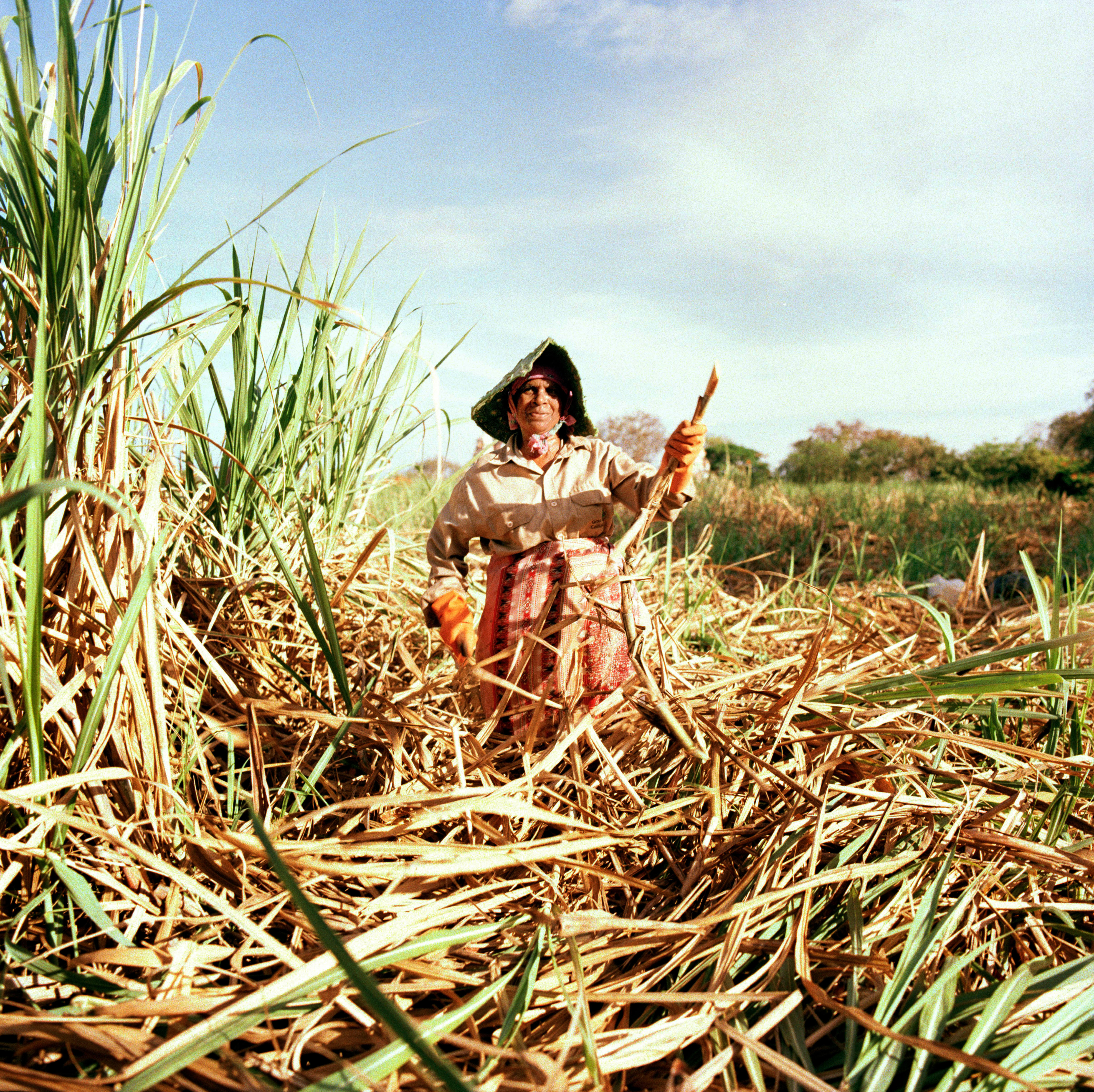
Much like grapes, sugar cane is normally harvested only once a year, although in subtropical climates – again, like grapes – it can crop twice a year.
Once the sugar cane is harvested (by hand or machine), it is stripped of its leaves, then washed, chopped and pressed to extract its juice. You can make rum from this liquid, a style called *rhum agricole, *and native to the French West Indies. To turn this juice into molasses (so for any style other than rhum agricole), this juice is then boiled (as many as three times), to concentrate and crystallize the sugar. Today, most producers will buy molasses rather than make it themselves.
Yeast and water are added to the molasses and the mixture is fermented, producing a “wash”. The wash is then distilled. If it is a golden or dark rum, the spirit will then be matured in barrel before being bottled and sold. The type of yeast, the length of fermentation, the type of still used – pot or column, and how or if it is aged will all impact the style of rum made.
The three styles of rum: Spanish, French and British
Much like the world of whisky, almost every style is made everywhere when it comes to rum. Broadly speaking, though, there are three main regions – or styles – of rum. Each region has its own different traditions, climate, and style of ageing – essentially *terroir, *all of which impact the style of rum made.
Former Spanish American colonies (Cuba, Panama, Venezuela, Guatemala, Nicaragua, Puerto Rico, Columbia and the Dominican Republic)
Rums from these regions tend to be made in the Spanish style, produced with molasses and column-distilled, resulting in a light, crisp, clean taste. You’ll often seen terms on the labels that are used for Sherry or indeed Tequila – such as añejo or solera. Nicaragua produces approachable styles that mature slowly, thanks to the country’s cooler climate. Guatemala, meanwhile, has a long history of exporting sugar cane and produces some of the world’s most celebrated rums.
Former French colonies (including Haiti, Guadeloupe, Martinique)
These are distinguished by their double-distilled, oak-aged (for three or more years) rums from fresh sugar cane juice, rather than molasses – *rhum agricole. *The resulting flavours are sweeter, lusher and the spirit character softer and more rounded. These rums may undergo maturation in ex-Cognac barrels – and the so-termed *rhum vieux *(aged rum) is frequently compared to French brandies.
Former British colonies (including Barbados, Bermuda, Belize, Guyana, Mauritius, Trinidad and Jamaica)
Here there is a tradition for darker, sweeter, richer rums, typically produced with molasses and copper-pot-distilled. Barbados is thought to be rum’s birthplace, while the Demerara region of Guyana yields particularly age-worthy rums. Trinidad and Jamaica are home to the most aromatic, fruity styles, which are used extensively for blending.



