

What to drink at Hogmanay?
Written by

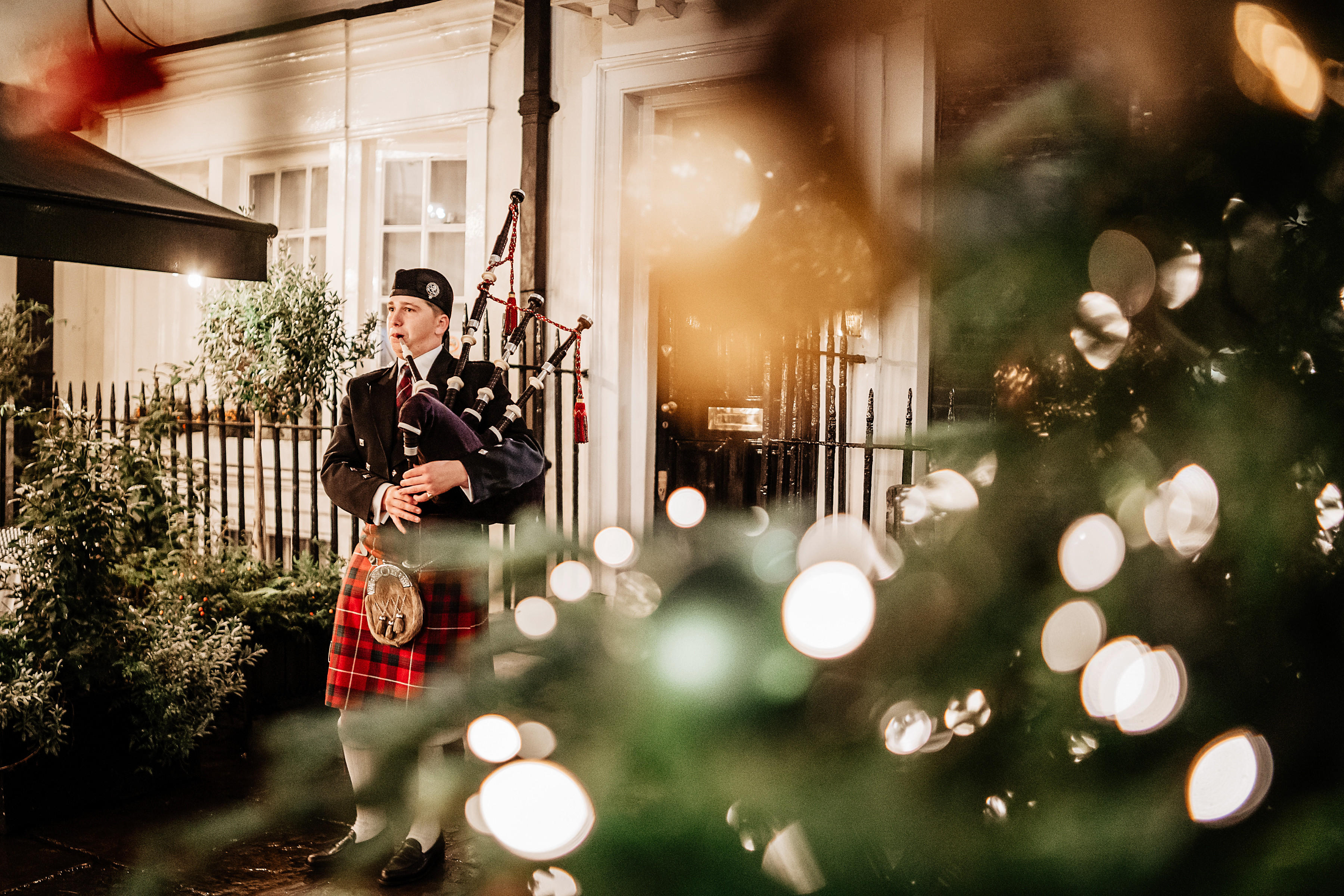
Hogmanay is the Scottish celebration held on the last day of the calendar year – or New Year’s Eve, as it’s known south of Hadrian’s Wall. Its etymology is unclear but it’s most likely a combination of the French hoginane (gala day) and the norse hoggo-nott (yule). The French influence almost certainly came across the Channel with Mary Queen of Scots, when she returned to her homeland after the death of her first husband, Francis II of France.
Like any great cultural celebration, Hogmanay is deeply associated with conviviality, numerous food and drink traditions and a terrific party. If, like me, you’re planning your own Caledonian ceilidh, then you’ll want to think carefully about what’s in your glass as well as what’s on the table.
Whisky galore
Hogmanay is rooted in Scots tradition, so why not start with the most traditional of all Scottish libations? That’s right – Scotch whisky. Whether you prefer the depth and complexity of a single malt or the light, approachable style of a blend, this is the ultimate choice for toasting in Scottish style.
The word “whisky” itself comes from the Scottish Gaelic “uisge beatha” (meaning “water of life”), which itself came from “aqua vitae”. The earliest known reference to whisky making is also from Scotland. In a set of 1494 tax records at Lindores Abbey in Fife, it is stated: “To Friar John Cor, 8 bolls of Malt, wherewith to make Aqua Vitae for King James IV”. Opened in 2017, Lindores Abbey Distillery produces a diverse range of Scotch whiskies (and an aqua vitae), just metres away from the abbey ruins – truly the spiritual home of Scotch whisky.
Scotland’s homegrown tipple is also a delight when matched with some of its better-known dishes. For the gamey and peppery flavours of haggis, a smoky whisky with a hint of spiced sweetness is a must. Something peaty from Islay like a Laphroaig or a Talisker would fit the bill perfectly.
Neeps (turnips and swede) and tatties (potatoes) have an earthy flavour to them with a touch of vegetal sweetness. This is where blended Scotch whisky comes into its own. Light and fruit forward, subtle citrus notes add a bright lift, cutting through the creaminess of the tatties while enhancing the gentle sweetness of the neeps. The result is a pairing that feels balanced and refreshing, allowing the whisky to complement rather than overpower the traditional flavours.
Drams with a twist
At Berry Bros. & Rudd, we think the most important question is “Is it good to drink?” Of course, this comes down to personal preference so you can have a bit of fun here.
If a neat dram of Scotch doesn’t sound like your bag(pipe) then perhaps a whisky cocktail might tempt you? The Hot Toddy doesn’t need to be reserved for when you have a cold, although it is exceedingly soothing on a rasping sore throat. This mix of Scotch whisky, honey, the juice of half a lemon and hot water offers a delightfully Caledonian spin on the season’s mulled wine.
If you like your ginger but prefer your cocktails cool, then a Whisky Mac is the one for you. Named after British Army officer Colonel Hector Macdonald, it’s a spicy mix of whisky and ginger wine. Traditionally served short and strong, it’s the perfect fireside sipper – warming yet refreshing, with a gingery kick. You could even add some King’s Ginger Liqueur for a bit of extra spice.
Perhaps you prefer your cocktails a little more lively; something for the start of the evening rather than its culmination. Then, reader, might I suggest a Whisky Sour? Whisky, fresh lemon juice and simple syrup form its main components, with the optional extra of egg white. The egg white adds a textural component and binds the ingredients together with a silky top.
Atholl Brose is one of Scotland’s most storied festive drinks. A rich blend of Scotch whisky, honey, oats and cream, simply strain off the oats for a deliciously thick digestif. Or enjoy it in pudding form as Cranachan, the king of Scottish puddings. It’s a mix of toasted oats, raspberries, honey and whisky-laced cream but here, the oats are an integral part of the dish.
Gifts from the first footer
An absolute must at any Hogmanay celebration is first footing. Your “first footer” is the first person to cross your threshold after the stroke of midnight, going into New Year’s Day. A member of your party can take on this role, but they must have left your house before the stroke of midnight, so they are genuinely the first to cross your threshold after.
First footing is a ritual to attract good luck so you shouldn’t choose just anybody. Like a game of Guess Who, there are factors relating to appearance which must be considered. For the very best chance of good luck in your coming year, you need a dark-haired man. Apparently, men with lighter hair and women are bad luck. We have the Viking invasion to thank for the aversion to light hair. As for avoiding a female first visitor, this stems from the mythical Cailleach, goddess of winter and death. If she were to appear at your door, it meant peril for everybody within.
The first footer often gives gifts like whisky or shortbread to the host. Historically, the houseowner would have been presented with coal to represent a welcoming (and warm) hearth. A bottle of warming Scotch whisky seems a much better alternative today.
Beyond the barrel
Just because you’re celebrating Hogmanay, that doesn’t mean you like whisky. Gin fans will be delighted to know that there are now almost 100 distilleries in Scotland which make gin. One of our favourite Scottish gins is Electric Spirit Co.’s Achroous Gin. A blend of seven botanicals, it’s the perfect backbone for a G&T or a tasty gin cocktail like a Floradora (gin, lime juice, raspberry liqueur and ginger ale).
While technically not a gin (it’s made with new-make spirit from whisky stills which is about 68-70% alcohol and a true gin must be made with spirit at 96%), Nc’nean Distillery’s Botanical Spirit is very similar. Situated to the north of the Sound of Mull, it draws inspiration from the wild Scottish landscape, using locally foraged herbs and botanicals to create a fresh, vibrant spirit bridging whisky and gin.
And now for something completely different – Scottish rum. J. Gow is made on Lamb Holm, an uninhabited island in Orkney with an airfield and a beautiful chapel built by Italian prisoners of war in the 1940s. J. Gow’s Revenge Rum is a very suitable introduction to the world of Scottish rum.
As the midnight bells chime and Auld Lang Syne fills the air, what matters most is raising a glass of something that feels right for you. The drinks we share at Hogmanay are part of the story of your year, so pour generously, savour the flavours of Scotland, and welcome the New Year with warmth, cheer, and a spirit as enduring as Hogmanay itself.



