

Chenin Blanc
Written by
Chenin Blanc is one of those grapes that wine geeks adore. Somewhere on a par with Riesling, for making wines that nerds gush about, it has at the same time managed to avoid some of that grape’s negative reputation. Which is strange, as Chenin Blanc can make sweet wines and it can also make large volumes of fairly insipid bottles.
And yet it can also produce some of the most amazing styles of wine imaginable. Just like Riesling, and indeed the better known Chardonnay, Chenin Blanc lends itself to beautiful dry white wines, from light and fresh to full-bodied and toasty. It makes exquisite sparkling wines. And can make styles that range from bone dry, sharp and tongue-tingly to lusciously sweet. Its fine acidity contributes to many of these wines being exceptionally long-lived, too.
Fresh green fruit
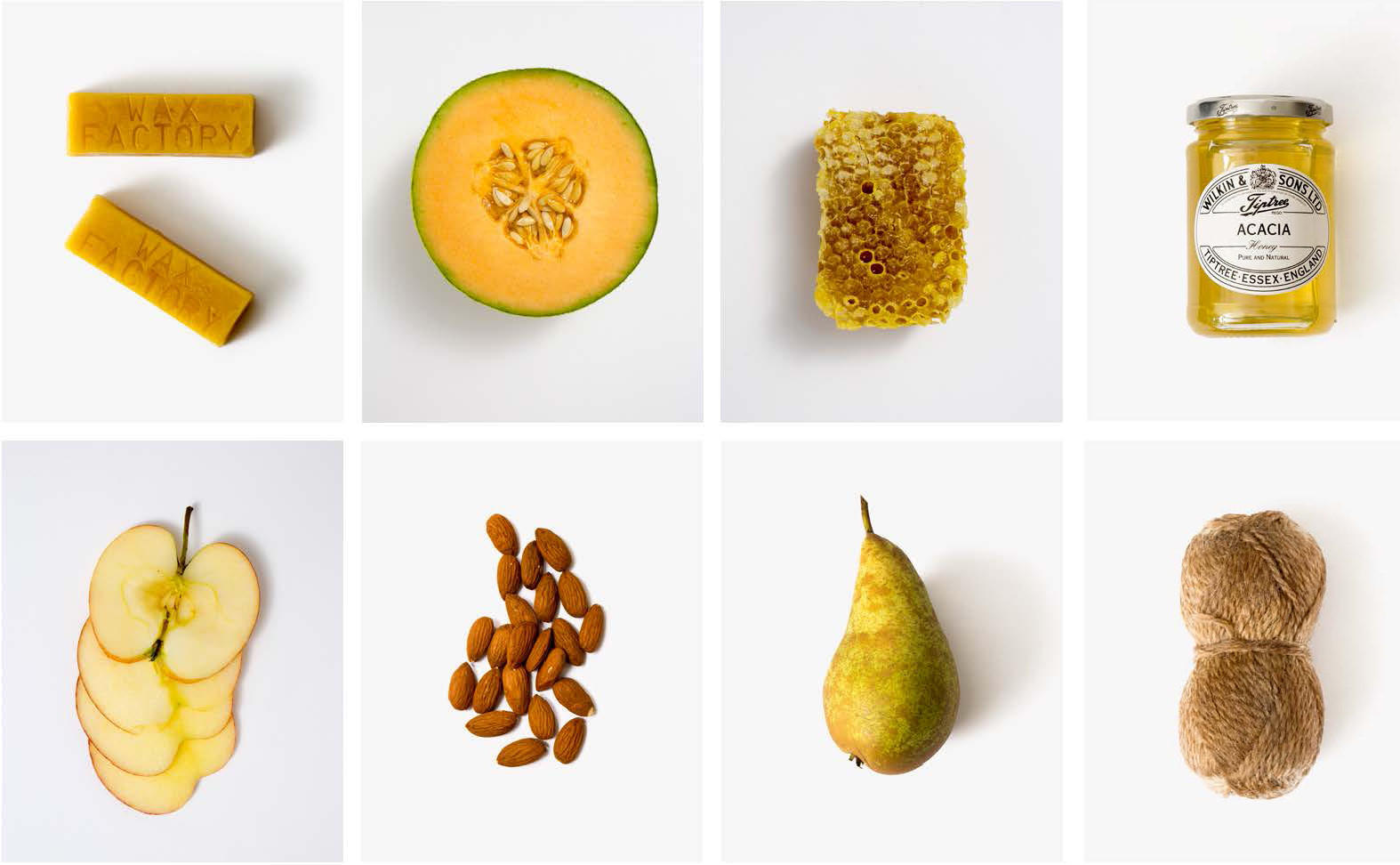
For a classic taste of Chenin Blanc, head to Vouvray, in the heart of the Loire Valley. The homeland of this grape, a dry Vouvray will show off the beautiful freshly picked green apple flavours, tart lemon peel and hazelnuts of Chenin to great effect. But a new breed of producer and wine is emerging from the Loire. Wines with a bit more body and often a hint of oak are appearing from Saumur, and the nearby (and confusingly named Anjou Noir — actually a white wine made from Chenin) are also worth seeking out. Domaine Arnaud Lambert in Saumur and Domaine Belargus in Anjou are worth a try.
Tropical fruit and smoke
Chenin is just as happy in a warm climate; it fares well in the sunshine of South Africa. Here, the heat encourages more tropical fruit flavours in the finished wine — and sometimes a touch more alcohol as well, lending a richer feel. A great example of this style comes from Keermont, the green apple flavours of cooler climates evolving into a melon flavour, with toasted almonds on the palate.
This grape also reflects the soil it grows in well. A handful of producers, particularly in the southern hemisphere, have really turned this into an art, with Mullineux & Leeu, and Eben Sadie pairing this grape with different soils for different styles. These wines have richness, depth and complexity with a lovely, contrasting, angular edge. They can be smoky and sharp when young and layered, complex and broad when mature. Like a Chardonnay but with an added spikiness, from bright appley acidity. With huge potential for ageing, these are a versatile addition to any cellar.
Long live Chenin
One of the most iconic of all producers must surely be Domaine Huet in Vouvray. Founded in 1928, and managed for decades from 1947 onwards by Gaston Huet, the wines produced here are extraordinarily long-lived — and, rightly, legendary. Hosting a dinner a few years back focusing solely on these special wines, I recall tentatively opening up the wines from the 1930s, wondering if they were going to be OK. The shy nose on the 1934 Vouvray Perlant gradually unfurled over many minutes in the glass to show bright yellow apple, toasted peanuts and honey alongside a beautiful smoky note. Despite my hesitation, the wines were outstanding, and ended up showing magnificently, particularly paired with a beautiful chicken, morel and roasted apple dish, as well as the cheese course. With plenty of life still left in them these bottles showed the heights which Chenin Blanc can achieve on the right soil and in the right hands.



